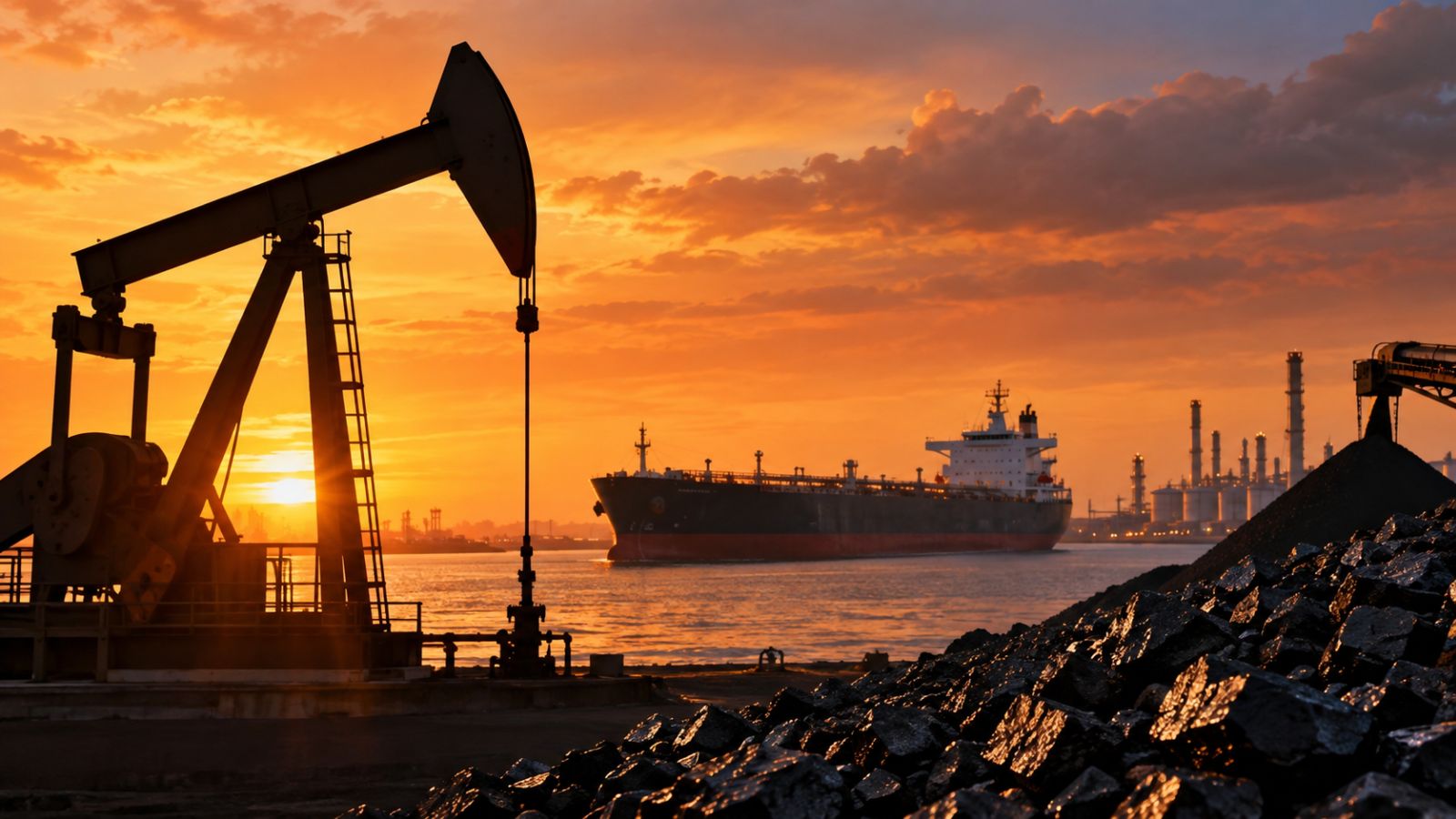
Seven vessels. That is the entire tally. Seven oil tankers allegedly burning or damaged in a critical maritime chokepoint, and half the financial press is already printing war-room headlines as if carrier strike groups are trading salvos at dawn.
Relax. Take a breath. Look at the mechanics instead of the panic.
Whenever maritime tension spikes around a major strait, the standard coverage follows a script so predictable you could write it before the first dispatch hits the wire. Claim of damaged tankers. Spike in war-risk insurance chatter. Nervous oil traders. Warnings of a return to full-scale conflict.
That lazy consensus mistakes noise for trajectory. Worse, it treats an incident involving seven ships as proof that an entire regional war machine has flipped back to "on." A flare-up is not a campaign. Harassment is not a blockade. A claim from Tehran—or any state actor in a pressure campaign—is an opening bid in a psychological and economic contest, not a binding military forecast.
I have watched trading desks and supply chain teams blow millions hedging for Armageddon every time a chokepoint gets jittery. They buy protection at peak fear, sit through weeks of sideways friction, and bleed premium while real physical flows keep moving around the edges. Panic is expensive. Bad framing is even more expensive.
You Are Asking the Wrong Question About the Strait
Most readers looking at headlines about seven damaged oil tankers ask a binary question: Is this the start of a new war?
Wrong question. Binary war-or-peace framing blinds you to the actual operating regime in maritime chokepoints. States and non-state actors routinely use gray-zone pressure—interdiction threats, drones, mines, GPS spoofing, and targeted strikes—precisely because they want leverage short of triggering an all-out coalition response that destroys their own infrastructure and regime stability.
Think about the incentives. Full-scale war carries catastrophic costs for everyone involved, including the party lighting the match. Sustained maritime friction, by contrast, is cheap to signal and disproportionately loud in media coverage. Seven ships hit or claimed hit sounds catastrophic in a push notification. In a global tanker fleet numbering in the thousands—with hundreds of VLCCs (Very Large Crude Carriers), Suezmaxes, and Aframaxes moving millions of barrels every day—seven vessels is a tactical shock, not an automatic severing of global supply.
Precision matters here. Maritime chokepoints are narrow waterways where commercial shipping is geographically funneled, creating high visibility and insurance sensitivity. A blockade is a sustained, enforced denial of passage backed by naval power capable of stopping traffic systematically. Seven damaged or burning tankers in a strait does not equal a blockade until sustained kinetic enforcement physically shuts the lane down. Confusing the two turns every headline into a false alarm.
How Fear Moves Prices Faster Than Barrels
Energy markets rarely wait for physical shortages to move. They price expected disruption, risk premiums, and positioning first.
When news breaks that seven oil tankers are on fire or damaged, three things happen almost immediately:
- Algorithms and momentum desks react first: Headlines trigger automated buying and short-covering before verification catches up.
- War-risk underwriters repricing exposure: Insurers operating in high-risk zones adjust premiums and transit terms, raising the cost of passage even before physical supply drops.
- Refiners and traders scramble for alternative grades: Buyers look at sour crude versus sweet crude availability, freight rates, and transit times rather than waiting for a formal declaration of war.
Here is the catch that lazy commentary misses. A price spike driven by headline fear behaves very differently from a price spike driven by sustained physical removal of supply. When physical barrels actually vanish for months, inventories draw down across major consuming hubs and alternatives hit capacity limits. When the threat remains episodic or partially unverified, risk premiums often build fast and bleed off once shipping lanes adapt, reroute, or absorb the shock.
Imagine a scenario where seven tankers take damage over a few days, yet the overwhelming majority of daily transits still clear the strait under escort or adjusted schedules. Crude prices might jump on the initial shock. Shipping rates might climb. Yet if physical output and export loadings continue without a total cutoff, the gap between fear pricing and physical balance becomes the real trade. That gap is where disciplined operators make money and emotional ones get chopped to pieces.
Dismantling the "People Also Ask" Panic Loop
When a story like this trends, search feeds fill up with predictable follow-ups. Most of them rest on shaky assumptions.
"Does this mean a full return to war is inevitable?"
No. Inevitability is a lazy crutch for pundits who do not want to track incentives and constraints. Escalation happens through specific decision points—retaliation spirals, miscalculation, leadership survival calculations, and military capacity—not by headline momentum alone. Seven damaged tankers raise the temperature dramatically. They do not remove deterrence, domestic economic constraints, or the massive cost of full-scale war.
"Will oil prices skyrocket and stay there?"
Not automatically. Markets have seen chokepoint scares before. Traders look at spare production capacity, strategic reserves, refinery runs, and actual transit counts—not just the loudest claim in the news cycle. A spike is easy. A sustained rally requires sustained physical tightness or a genuine, long-running choke on exports. Without that, fear trades tend to overshoot and retrace.
"Should companies immediately freeze shipments through the region?"
Blindly freezing everything is a reaction, not a risk strategy. Pulling back without checking vessel tracking, insurance coverage, charter terms, and alternative routing can create self-inflicted bottlenecks and missed margins. Smart operators separate exposure from panic: they audit which cargoes are actually in the line of fire, verify route alternatives, and avoid making permanent supply-chain moves based on day-one fog of war.
What the Heavy Hitters Actually Watch
Veteran energy analysts, maritime security specialists, and seasoned commodities traders do not stare at sensational ship counts in isolation. They watch hard operational signals:
- AIS and dark-vessel behavior: Are commercial tankers turning off transponders, loitering outside the strait, or continuing transit in tighter convoys?
- Physical differentials and freight spreads: Are regional crude differentials widening or narrowing? Are charter rates for specific tanker classes surging across basins?
- Refinery and inventory buffers: How much cushion exists in commercial and strategic stocks to absorb a temporary delay?
- Escalation rungs: Are strikes hitting empty hulls, peripheral assets, or critical export terminals and naval bases that force a broader war?
Notice how unglamorous that checklist is. No dramatic metaphors. No doom-scrolling. Just cold verification of whether physical flow is actually breaking or merely wobbling.
Where My Contrarian Take Can Burn You
I am not telling you to ignore seven damaged tankers or pretend nothing happened. Being contrarian for sport is just another way to lose money.
Here is the honest downside of fading war panic: sometimes the tail risk actually bites. A gray-zone flare-up can spiral into broader military action if a strike kills high-value personnel, hits major export infrastructure, or triggers a miscalculation neither side can walk back. If you treat every chokepoint incident as pure noise and carry zero downside protection, a genuine escalation will hit you hard.
There is also a timing trap. Even if a full war never materializes, short-term spikes in freight, insurance, and energy costs can still squeeze margins over a few weeks or months. Being "right" about the long-term war odds does not save a balance sheet if short-term cash flow gets crushed by unhedged volatility. Contrarian logic works when paired with discipline, position sizing, and respect for real risk—never when it turns into arrogance.
Practical Moves That Actually Work Right Now
If you run a business exposed to energy or freight, trade commodities, or simply want to stop getting played by headline whiplash, skip the doom predictions and run a tighter playbook:
- Audit your actual exposure by route and grade. Map which inputs, lanes, or portfolios truly depend on the strait and which ones only suffer by association.
- Separate insurance cost from physical blockage. Talk to logistics and risk partners about war-risk clauses, delays, and rerouting lead times rather than guessing from news clips.
- Demand verification before reacting. Treat initial claims about damaged or burning vessels as provisional until independent tracking, port reports, and market spreads confirm the scale.
- Size risk for tail scenarios without paying peak panic prices. Keep buffers or hedges calibrated to real exposure, not cable-news hysteria.
Seven tankers burning or damaged is a serious warning light in a vital waterway. It is not a crystal ball predicting total war. Read the mechanics, keep your head, and let everyone else trade the hysteria.


