The rain in Surrey does not fall so much as it hangs, heavy and grey, blurring the sharp lines of suburban driveways into a watercolor smear of asphalt and pine. It is the kind of quiet that feels safe. It is the kind of quiet that lets a man forget he is thousands of miles away from the courtyard where his mother still sweeps the dust off the threshold.
Then the glass breaks.
Or worse, it doesn't break at all. A note arrives. A knock echoes in the dead of a Tuesday night. A sum is demanded in a currency that has nothing to do with dollars and everything to do with obedience.
We talk about international relations as if they are written in ink on heavy parchment inside wood-paneled rooms in Ottawa or New Delhi. We talk about summit meetings, diplomatic cables, visa restrictions, and the cold geometry of statecraft. But down here, in the damp air of British Columbia or the crowded alleyways of Punjab, power is measured in something much cruder. It is measured in a phone screen lighting up in the dark. It is measured by an unknown voice whispering a name, a home address, the exact schedule of a child's school bus.
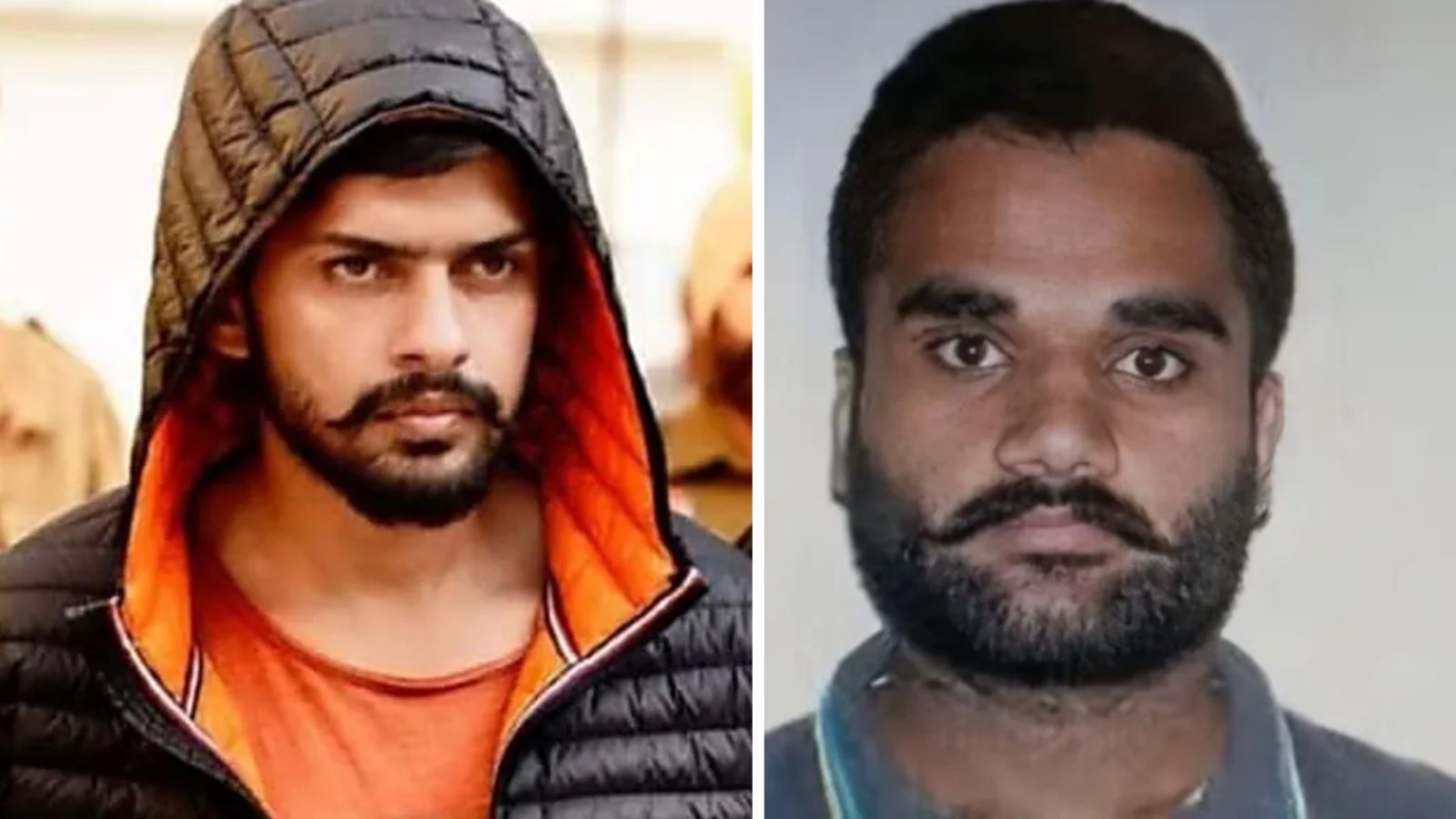
Canadian intelligence agencies recently laid out a map. It was not a map of terrain, but of shadows. At the center of it sat a name that has become synonymous with a new kind of borderless criminality: Lawrence Bishnoi.
To understand what is happening, you have to abandon everything you think you know about traditional organized crime. The old syndicates were shaped like pyramids, built on loyalty, smuggled liquor, and neighborhood extortion. They operated in the shadows because exposure meant prison. This new architecture is different. It is loud. It is brazen. It broadcasts its intentions across Instagram feeds and encrypted messaging apps with the casual detachment of a teenager sharing a vacation reel.
Consider the mechanics of distance. A young man sits on a cot in a high-security prison cell thousands of miles away, his phone slipping past the guards through palms greased with desperation or corruption. With a few taps, he reaches across oceans. He recruits a teenager in Surrey who wants quick cash and an inflated sense of belonging. He coordinates a drive-by shooting or an extortion plot with the administrative efficiency of a remote tech startup.
The border is no longer a wall. It is a sieve.
Intelligence reports name key members, detailing how networks stretch from the dusty plains of northern India into the leafy suburbs of Canadian cities. But a name on a bureaucratic document is a frozen insect in amber. It tells you what it is, but it does not tell you how it flies, how it bites, or why it spreads.
The human cost of this transnational sprawl is paid by people who never asked to be part of a geopolitical chess match. Take the local business owner who immigrated twenty years ago, worked sixteen-hour shifts in a convenience store, finally bought a modest home, and now stares at a burner phone displaying pictures of his daughter walking home from her clarinet lesson. He is not a drug lord. He is not a politician. He is simply a ghost in a machine he cannot see, being squeezed by invisible hands operating across three different time zones.
Why does this happen? The answer lies in the erosion of accountability. When crime becomes transnational, it finds the gaps between jurisdictions. Canadian police point to Indian networks; Indian authorities point to safe havens abroad. In the middle of this diplomatic standoff, the extortion demands keep coming. The wire transfers clear. The bullets fly.
There is a terrifying modernization to all of this. Extortion is no longer just a physical act; it is a psychological campaign. The modern criminal syndicate understands algorithmic intimidation. They know that fear multiplies when it is shared, recorded, and sent directly to the palm of your hand. They rely on the sheer disbelief of their victims. How could this happen here? This is Canada. This is safe.
That innocence is a luxury we can no longer afford.
When intelligence reports name names, they are attempting to draw a circle around a fire that has already spread to the dry grass. They are trying to categorize an amorphous cloud of violence, coercion, and digital recruitment. But paperwork cannot stop a bullet fired by a proxy who does not even know the name of the person who ordered it.
The real narrative is not found in the press releases of security agencies. It is found in the silence of communities that have learned to look twice at an unfamiliar car parked on their street. It is found in the quiet terror of families who realize that moving across the globe does not mean escaping the ghosts of the past.
The shadow has lengthened. It stretches from the cell blocks of Sabarmati to the rain-slicked cul-de-sacs of the Pacific Northwest, binding two worlds together in a terrible, unbreakable circuit of fear. And until we understand that borders are no longer boundaries, the phone will keep ringing in the dark, and someone will always pick up.