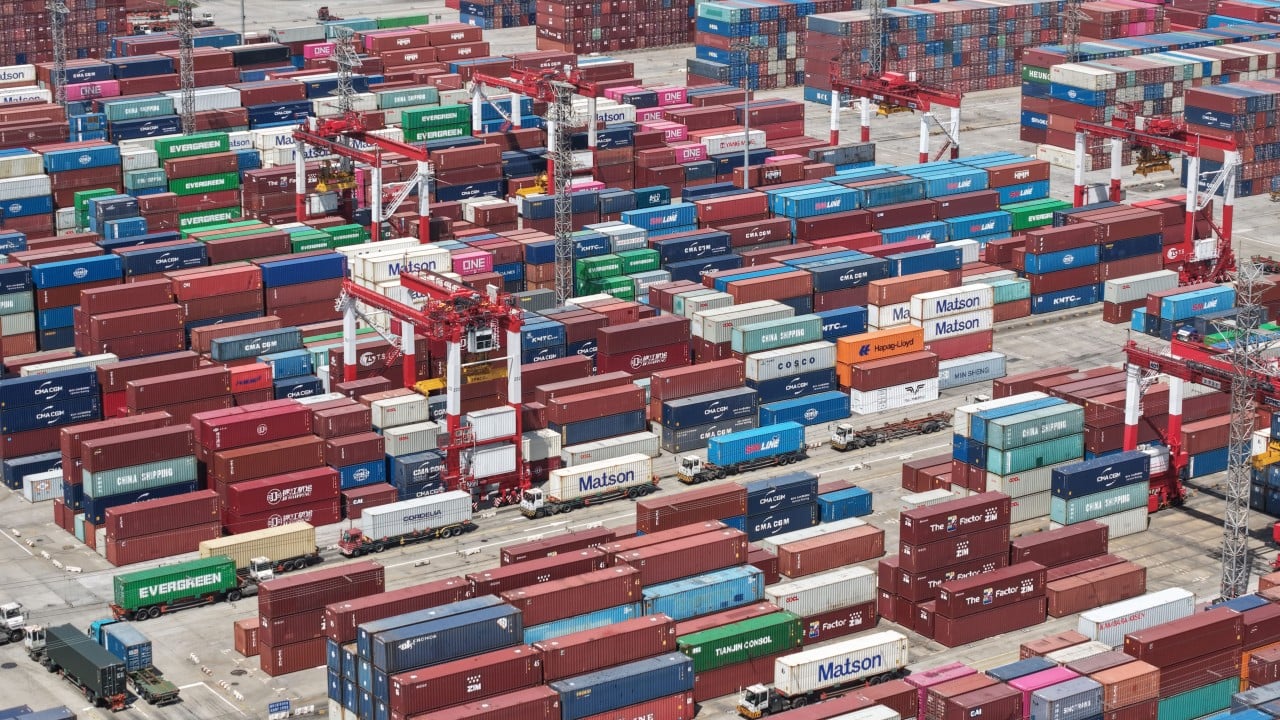
For over a decade, Shanghai held a undisputed title in global logistics. It moved more steel containers through its terminals than any other city on Earth. But moving boxes is a game of scale, not influence. The real power in shipping has long lived in places like London and Singapore, where high-stakes deals are negotiated, ships are insured, and legal disputes are arbitrated.
That divide is fading fast.
In the 2026 Xinhua-Baltic International Shipping Centre Development Index, Shanghai officially climbed to second place globally, pushing London down to third. Singapore still sits comfortably at number one with a near-perfect score of 99.32. Yet Shanghai's score of 84.27 marks a decisive shift. Shanghai is no longer content just being the world's busiest port; it wants to become its maritime brain.
Moving up from seventh place in 2014 to second today didn't happen by accident. It's the result of a deliberate, long-term campaign to build a complete maritime ecosystem within a single city.
The Shift From Steel Containers to High-End Services
When people picture a maritime superpower, they usually imagine massive gantry cranes, deep-water berths, and endless stacks of colorful containers. Shanghai has plenty of those. Its container throughput hit 55.06 million TEUs in 2025, keeping its crown as the busiest container port for another year.
Port volume alone doesn't secure top ranking in modern shipping indices. The Xinhua-Baltic methodology places a massive 80 percent weight on professional business services and general business environment, reserving just 20 percent for traditional port infrastructure.
Shanghai had to build capabilities outside the dockyards.
In recent years, the city set up specialized clusters like the North Bund International Legal Service Port. It brought in regional headquarters for major global organizations, including the International Chamber of Shipping (ICS) and the London P&I Club. Major global ocean carriers, such as Maersk, established key logistics hubs directly in Shanghai's Lin-gang Special Area.
The strategy is straightforward: build the legal, financial, and risk-management apparatus right next to the physical cargo flows.
Why Singapore Still Holds the Top Spot
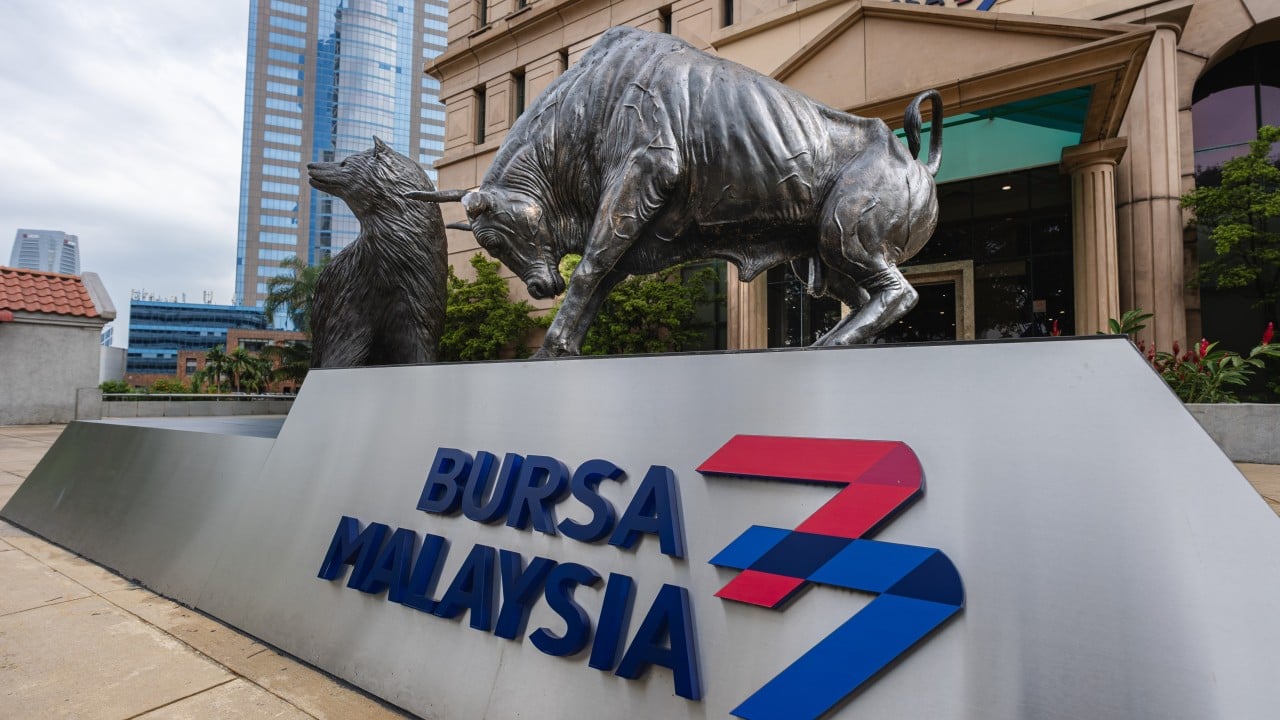
Shanghai dethroned London, but overtaking Singapore is an entirely different challenge. The Southeast Asian city-state has locked down the top position for 13 straight years.
Why is Singapore so tough to beat?
- Global Trust in Legal Frameworks: Maritime arbitration in Singapore relies on English common law principles, which shipowners, charterers, and insurers worldwide have trusted for centuries.
- Neutral Political Ground: Singapore operates as a neutral party in international trade, making it a safe harbor for contracts between parties from conflicting geopolitical blocs.
- Bunkering and Green Fuels: Singapore leads the world in ship fueling operations and is setting early standards for alternative green fuels.
Shanghai is aggressively working on green fuel infrastructure and digital port operations. However, building international confidence in legal arbitration and regulatory stability takes decades, not years.
The Real Battle line: Maritime Governance and Risk Management
The modern shipping market is chaotic. Geopolitical tensions, trade rerouting, and decarbonization mandates mean shippers face constant disruption.
As Cao Zhanzhong from the Xinhua Index Research Institute noted, competition among maritime hubs has moved past quay length and route numbers. It now centers on green transitions, digital innovation, maritime governance, and global resource allocation.
Shanghai's Hongkou District highlighted this reality clearly: the invisible factors dictate who wins. Offering stable shipping lines, predictable regulations, efficient supply chains, and superior risk management matters more than moving another million containers.
London spent centuries perfecting shipbroking, marine insurance (anchored by Lloyd's of London), and maritime law. Shanghai's advantage lies in its vast industrial backdrop. It combines massive domestic shipbuilding yards, immense cargo volume, huge domestic banks, and direct state backing. That is a tight integration no Western city can match.
How Other Global Hubs Are Adapting
Shanghai's rise isn't happening in isolation. China's secondary ports are also climbing the ranks, with Ningbo-Zhoushan rising to 6th place, passing Rotterdam. Guangzhou, Qingdao, and Tianjin all posted improved scores.
Meanwhile, traditional hubs in Europe and North America are recalibrating:
- London (3rd): Remains dominant in complex legal disputes and insurance underwriting, but lacks direct cargo volume.
- Hong Kong (4th): Maintains strong professional services, serving as a key bridge between mainland China and Western capital.
- Dubai (5th): Continues its expansion as the primary maritime bridge for the Middle East, Africa, and South Asia.
- New York / New Jersey (8th): Gained ground by improving customs efficiency and expanding East Coast consumer import capacity.
What Industry Executives Should Do Now
If you're managing supply chains, ship operations, or trade finance, this shift in maritime power requires action. Don't look at Shanghai as just a place to unload cargo.
Here are practical steps to adjust your operations:
- Evaluate Local Arbitration Options: Check if your contracts involving Chinese trade partners can utilize Shanghai's updated maritime arbitration framework to resolve disputes faster locally.
- Tap into Shanghai's Ship Finance: Chinese leasing companies based in Shanghai now account for a massive share of global newbuild ship financing. Explore these funding channels for fleet renewals or retrofits.
- Establish a Local Presence in Special Zones: Look at tax incentives and logistics advantages offered in regions like the Lin-gang Special Area for warehousing, assembly, or regional distribution.
- Monitor Green Fuel Synergies: Track Shanghai's investments in alternative vessel fuels (like green methanol and LNG bunkering) to ensure your fleet complies with evolving regional emissions standards.
Shanghai proved it can handle the physical weight of global trade. Now, it's aggressively proving it can handle the paper, the law, and the capital that keeps that trade moving.