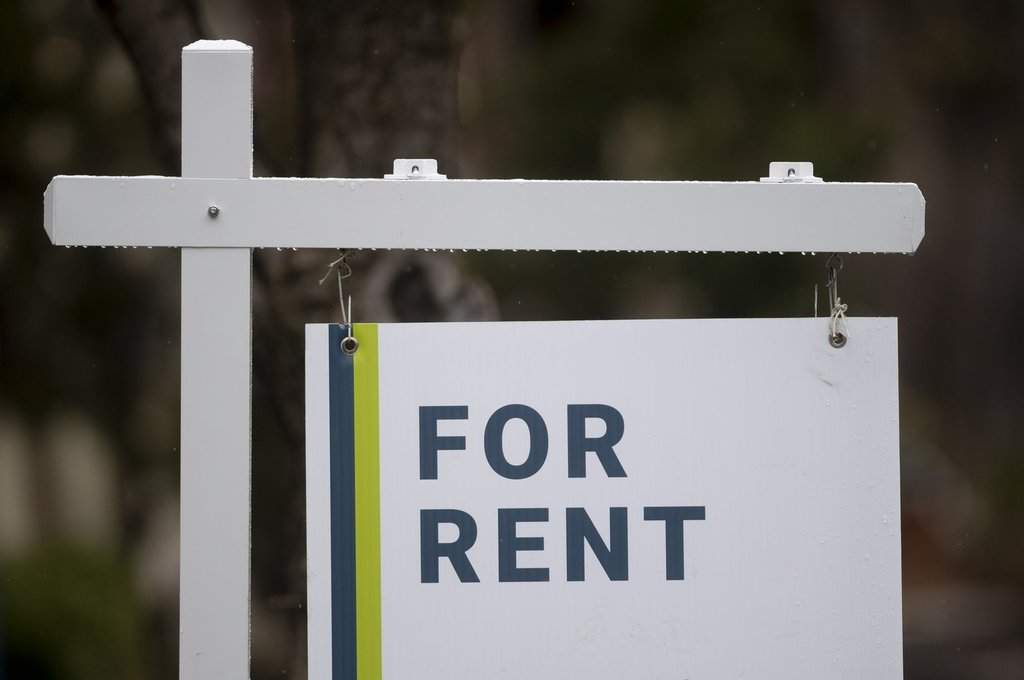
Paper has a way of holding weight far beyond its thickness. For millions across Ontario, a single white notice slipped beneath a apartment door or pinned to a kitchen counter has always carried the quiet terror of an eviction notice or a sudden shift in domestic survival.
Consider what happens next: the rules governing how we live, pay, and part ways with our homes have fundamentally transformed. For a different look, read: this related article.
We have lived through an era where housing felt less like a basic shelter and more like a high-stakes auction house. Every month, tenants calculate grocery bills against soaring utility costs, while small landlords wonder how to maintain aging brick and mortar when interest rates and repair bills double overnight. Into this delicate, exhausted ecosystem stepped a sweeping rewrite of Ontario’s rental regulations.
The changes did not arrive with a dramatic announcement. They arrived quietly, altering the invisible mechanics of the Residential Tenancies Act. Similar coverage regarding this has been published by Reuters.
Take the mechanics of unpaid rent. Under the previous framework, a standard N4 notice for missed rent gave monthly tenants a fourteen-day window to catch up or face the Landlord and Tenant Board. That window has been cut in half. Seven days.
Seven days is a heartbeat. It is the time it takes for a paycheck to clear or an unexpected medical emergency to drain a bank account. For a tenant living on the razor's edge of financial stability, a week is no longer a grace period; it is a breathless sprint. But the regulation looks equally rigid from the other side of the threshold. Landlords watching months of arrears pile up while facing their own mortgage defaults have long argued that fourteen days was an eternity that starved properties of maintenance funds.
Yet the friction does not stop at the calendar.
When a tenant arrives at a Landlord and Tenant Board hearing to contest an arrears application while raising separate complaints about maintenance failures or ignored repair requests—known under the law as section 82 issues—the procedural landscape has shifted dramatically. Tenants must now pay fifty percent of the claimed rent arrears directly or into a formal holding position at least seven days before the hearing can even hear those grievances.
Justice, it turns out, now requires an upfront deposit.
Consider the human element in personal-use evictions, the infamous N12 notice. For years, the protocol dictated that when a landlord claimed a family member needed to move into a unit, the tenant was handed a standard compensation of one month’s rent. Under the updated framework, that compensation requirement changes if specific conditions are met. If a landlord provides at least one hundred and twenty days of notice, the mandatory one-month payout can disappear under specific statutory exceptions.
At the same time, the law attempts to close the loophole on bad-faith evictions. If a landlord claims personal use but fails to have the designated occupant move in within a strict sixty-day window after the tenant vacates, the system now triggers a legal presumption of bad faith. The burden of proof shifts heavily onto the property owner to justify why the keys weren't turned in good conscience.
Every single one of these updates—from shortened review deadlines at the board down to doubled maximum fines under the Rental Housing Enforcement Unit for statutory offences reaching up to one hundred thousand dollars for individuals and half a million for corporations—points to a single reality: time is condensing.
The margin for error has evaporated.
If you are a renter, a missed email or a delayed text message is no longer a minor clerical slip; it is a structural threat to your tenancy. If you are a landlord, an outdated form or a miscalculated calendar date can invalidate months of legal positioning.
We have entered a chapter where the paper trail is the only truth that survives. Dates, ledgers, time-stamped digital receipts, and formal written notices dictate who keeps a roof overhead and who loses it.
Behind every statute and subsection are human beings standing in empty hallways, boxes piled against the wall, wondering how the ground shifted beneath their feet while they were simply trying to pay next month's rent.