A humanitarian doctor just returned to France from the Democratic Republic of the Congo and tested positive for Ebola. The news headlines look terrifying. They sound like the plot of a biological thriller film. But if you are losing sleep over a potential European outbreak, you can stop right now.
The French health ministry confirmed the country's first imported Ebola case on Wednesday. The patient went straight into isolation upon arrival on national territory. They are currently in stable condition inside a specialized treatment facility. Authorities are already tracing every single contact, forcing them into a strict 21-day home quarantine. Read more on a similar subject: this related article.
The reality on the ground is simple. The system worked exactly the way it was designed to work.
How Europe Contained the Virus Before It Started Spreading
Public health officials didn't get caught off guard. France maintains a dedicated monitoring infrastructure specifically for aid workers returning from high-risk zones. The moment the doctor landed, biosecurity protocols kicked in. We aren't dealing with an undetected super-spreader walking through crowded subway stations. More journalism by Healthline delves into related views on the subject.
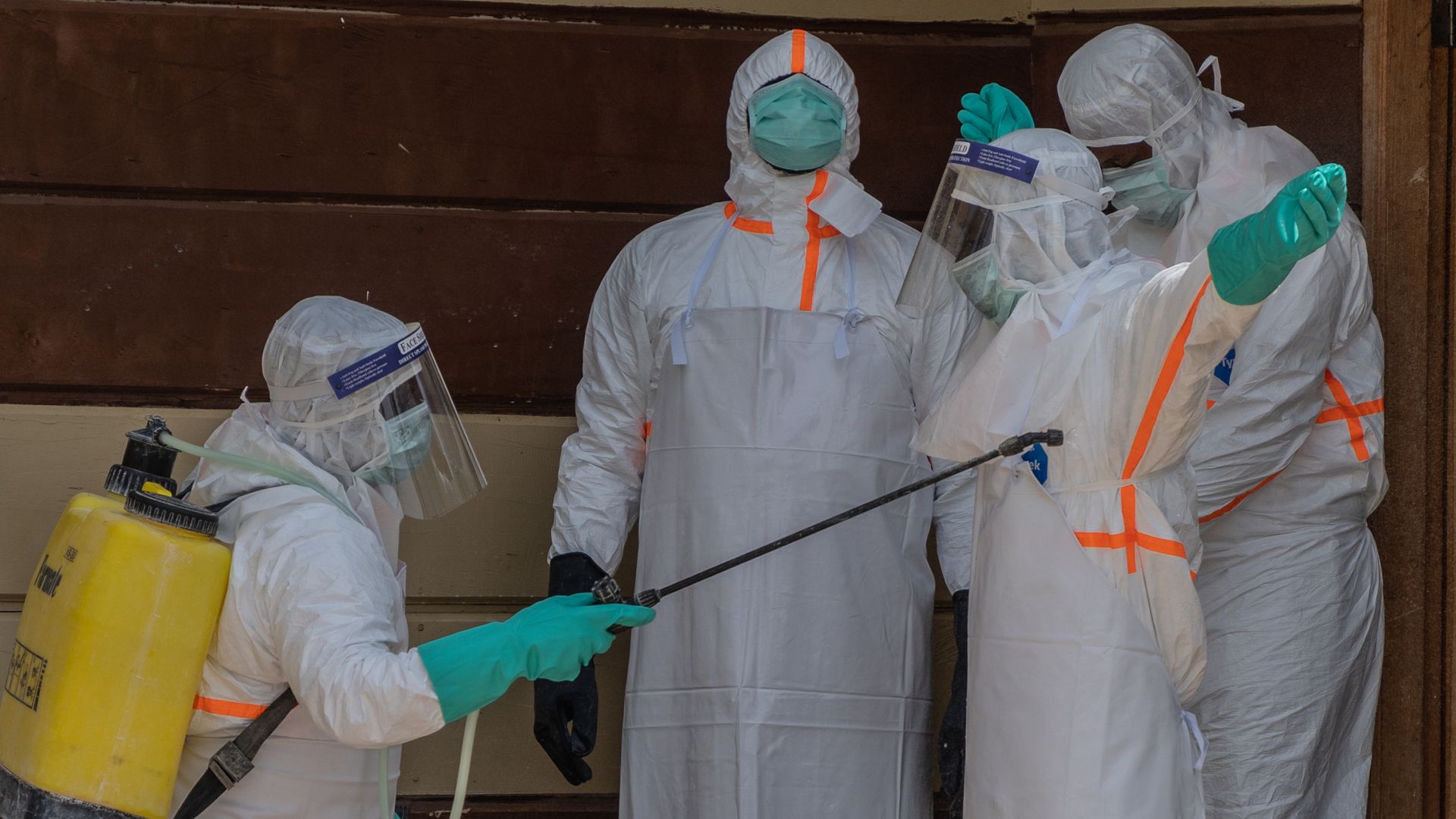
The medical team used secure transfer mechanisms and negative pressure rooms. These isolation units use special airflow setups that keep airborne or droplet-based pathogens from escaping into the rest of the hospital. Since Ebola spreads through direct contact with infected bodily fluids like blood, vomit, or sweat, the risk to the general public in Paris or Lyon is effectively zero. You can't catch this virus by walking past someone on the street or breathing the same air in an airport terminal.
The World Health Organization declared this outbreak a Public Health Emergency of International Concern back on May 17. European hospitals have spent weeks preparing for this exact scenario. Earlier this month, a Berlin hospital successfully treated and discharged an American surgeon who contracted the virus in the DRC. The German setup worked perfectly. The French setup is doing the same.
The Real Crisis in the Democratic Republic of the Congo
While Europe remains completely safe, the situation in Central Africa is incredibly grim. The outbreak centers around the eastern province of Ituri and North Kivu. According to recent data, the virus has infected over 1,048 people and killed at least 267 victims. It is the fastest-moving initial caseload of any recorded Ebola episode.
The biological reality makes this specific outbreak much harder to manage than previous ones.
- The Bundibugyo Strain: This isn't the Zaire strain that caused the massive West African outbreak years ago. This is the rare Bundibugyo strain.
- Zero Vaccines: The highly effective Ervebo vaccine used in recent years does not work against Bundibugyo. There is currently no approved vaccine or specific antiviral treatment for this variant.
- Geopolitical Chaos: Active conflict involving the M23 rebel group in eastern DRC makes it incredibly dangerous for international medical teams to reach remote villages.
- Displacement Camps: Densely populated camps for internally displaced people lack clean water and basic sanitation, creating a perfect environment for rapid transmission.
Uganda has already recorded 20 cases and two deaths due to cross-border movement. The virus is moving because people are fleeing violence, not because international aviation control failed.
What Needs to Happen Next
Western countries cannot solve this problem by shutting down borders or ignoring the source. The United States previously called for tighter travel restrictions, but European Union officials rightly rejected that approach. Travel bans don't stop viruses. They just destroy economies and stop medical supplies from reaching the people who need them most.
If you want to know how to actually protect global health, look at the funding. The World Health Organization laid out a 518 million dollar response plan to scale up field laboratories, secure burial teams, and build treatment centers in Central Africa. Right now, international agencies are racing to fund this initiative.
For the average citizen, the action plan is simple. Stop sharing sensationalized clickbait about European lockdowns. Trust the biosecurity protocols that just kept this single case contained. If you want to make an actual impact, support reputable humanitarian organizations like Doctors Without Borders or the Red Cross. They are the ones putting boots on the ground in Ituri to stop the virus at its source before it can ever catch a flight.