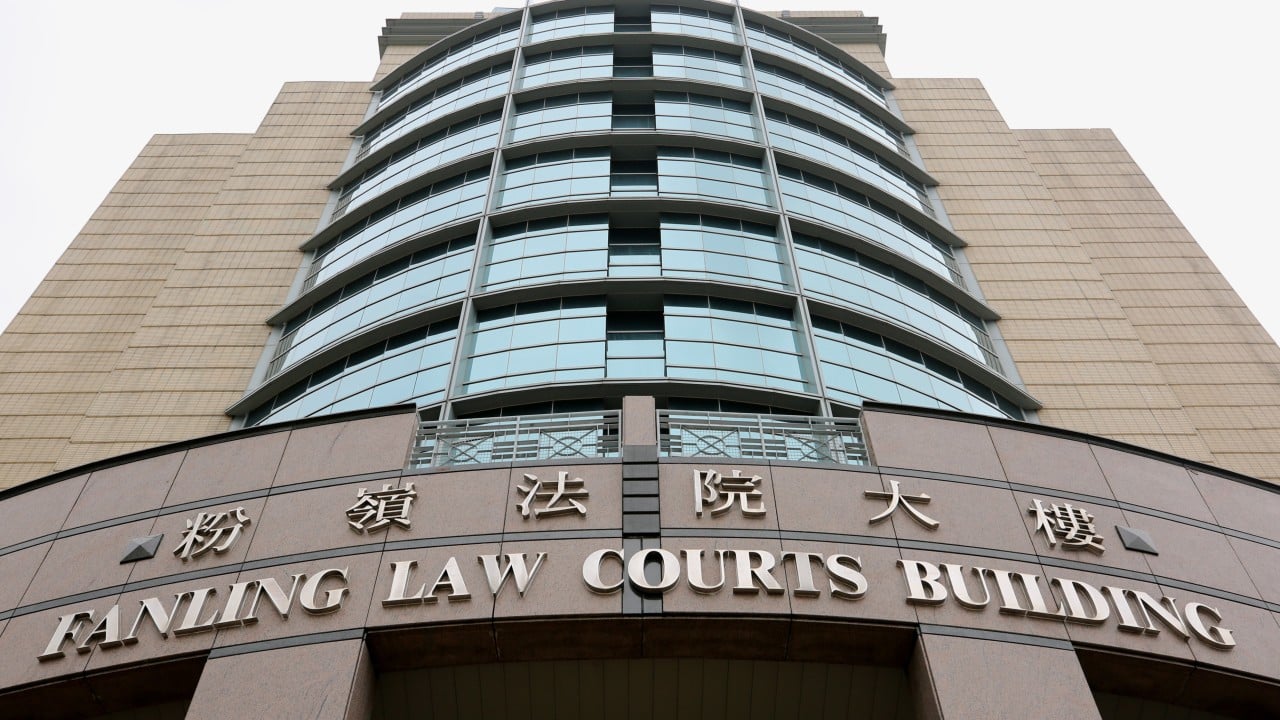
The desk light hums a low, abrasive frequency at two in the morning. Outside, the city is a sleeping giant, breathing in the quiet of midnight while inside a small apartment, a tired hand moves with terrifying precision across heavy cardstock.
Ink meets paper. A loop forms. A curve tightens. A name belonging to a respected academic—someone who has spent decades parsing the subtle nuances of literature or education—is conjured out of thin air. It takes less than five seconds to forge a signature. It takes months, sometimes years, to pay for it.
We rarely talk about the architecture of desperation. We see the headline flash across a screen: Student admits forging reference letter for PhD place at Education University. We read the dry, administrative sentences of the report. We note the courtroom, the guilty plea, the solemn weight of the legal machinery grinding into motion.
What we miss is the silence before the forgery.
Consider a hypothetical student, let us call him Julian, sitting in that exact room at two in the morning. Julian is not inherently a criminal. He is something far more common: a person who looked at his life, measured the distance between where he stood and where he desperately wanted to be, and panicked.
He had the GPA, mostly. He had the thesis proposal, polished until the edges gleamed. But academia has gatekeepers, and those gatekeepers demand tokens. They demand the golden seal of approval from someone higher up the food chain. They demand a reference letter that speaks not just to your competence, but to your soul, your grit, your undeniable right to occupy a chair in a seminar room where history is debated.
Julian did not have that letter. Or perhaps he had a professor who was too busy, too indifferent, or too skeptical. The door was closing. The application portal was about to lock its digital jaws.
So he reached for a pen.
Fraud in the hallowed halls of higher education is rarely about malice. It is about a profound, suffocating terror of inadequacy. When the pursuit of knowledge becomes hyper-competitive, when a doctoral slot is treated like a lottery ticket to a secure future rather than a crucible for genuine inquiry, the rules begin to warp. The system incentivizes the outcome so aggressively that the integrity of the process becomes an inconvenient speed bump.
Think about how a reference letter is supposed to work. It is meant to be a bridge of trust between two academics. Professor A vouches for Student B to Professor C. It relies entirely on an invisible web of professional honor. When someone like Julian shatters that web with a forged signature, he is not just breaking a university policy. He is fraying the fragile trust that holds the entire intellectual ecosystem together.
If anyone can invent their own credibility, what happens to the currency of truth?
The courts at the Education University did not look at Julian’s act through the lens of philosophy. They looked at it through the cold, unyielding prism of the law. Forgery is a crime. Falsifying documents to secure admission is an offense that carries real, tangible consequences. Fines, probation, the sudden, violent erasure of a future that felt so close only hours earlier.
The courtroom was quiet when the sentence was handed down. No dramatic gasps. Just the rustle of papers and the steady ticking of a clock. Julian stood there, his shoulders curved inward, realizing the cruel irony of his situation: he had risked everything to get into a room where he would not even be allowed to sit.
There is a lesson buried beneath the legal briefs and the university press releases, and it has very little to do with printer ink or document verification software.
We have built a culture that worships credentials over capability. We have turned education into an elite sorting mechanism, where the label on your degree matters infinitely more than the fire of your curiosity. When the stakes are inflated to such absurd proportions—where your entire worth as an intellectual is judged by the pedigree of your acceptance letter—people will inevitably start cutting corners.
When the door is locked and the guards are asleep, desperation looks like creativity.
Look closer at the machinery of modern academia. It is obsessed with metrics, rankings, impact factors, and institutional prestige. In that climate, a PhD is no longer a personal journey into the unknown depths of human knowledge. It is a brand asset. It is a golden ticket out of economic anxiety. Is it any wonder that desperate people do desperate things to clutch at it?
None of this excuses the forgery. Truth matters. In research, in teaching, in the simple exchange of ideas between human beings, trust is the bedrock foundation. Once you undermine it, the building collapses. Julian had to pay the price for his deception because a society cannot function if its foundational documents are built on sand.
Yet, as the ink dries on his legal record and his academic ambitions turn to ash, a haunting question lingers in the empty room.
What drove him to the edge of that desk in the first place? And what does it say about us that we made the cliff so high?