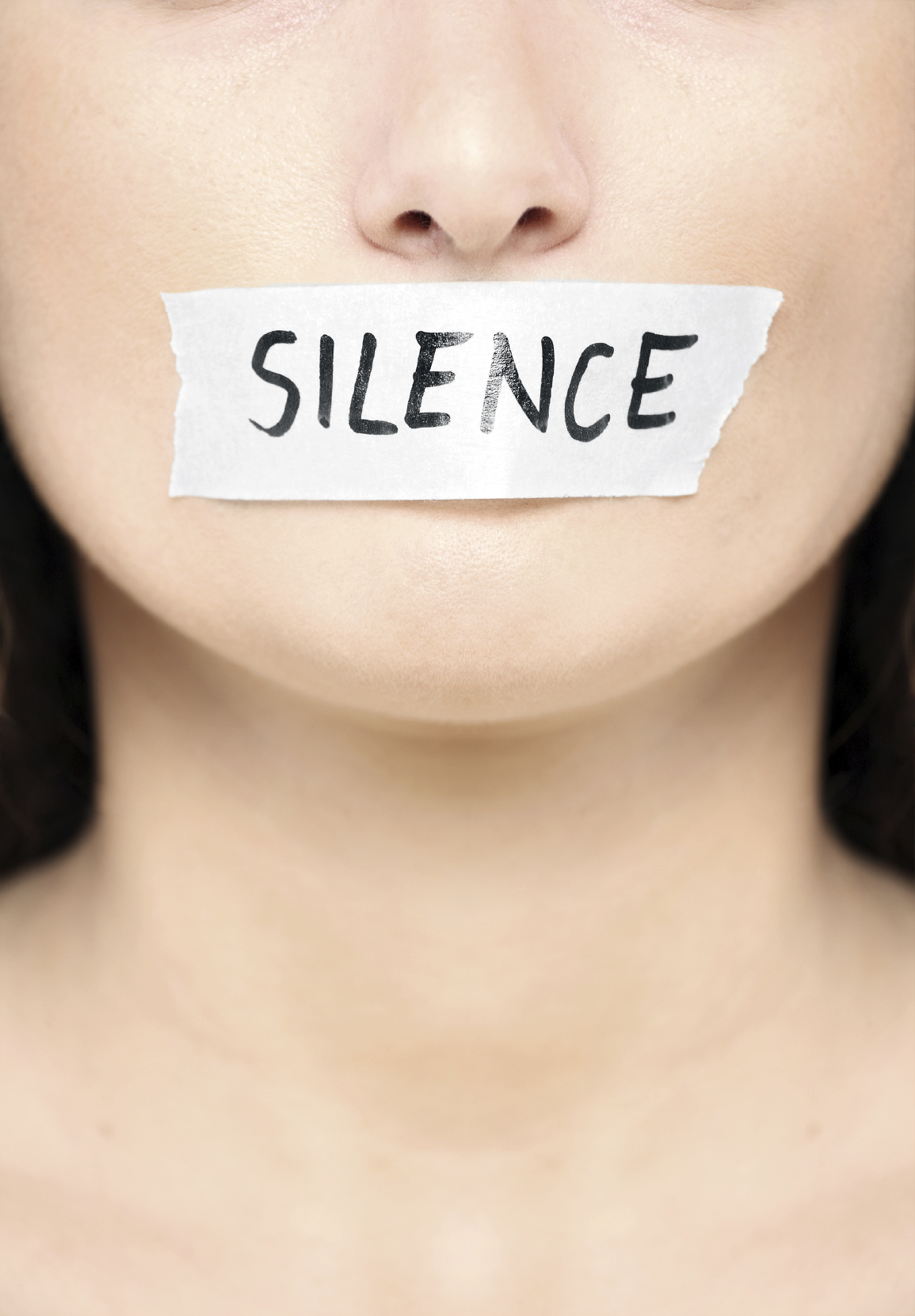
Trust is a fragile architecture. It takes years of quiet mornings, shared coffee in lecture halls, and the steady hum of academic ambition to build. Yet it can fracture in a single, agonizing instant. When a university finds itself confronted by the shadow of a sexual assault case, the immediate reaction is rarely transparency. It is often a tightening of ranks. A circling of wagons. The instinct to protect the institution above all else.
Cornell University recently faced that exact crucible, choosing to name former Deputy U.S. Attorney General Sally Yates to lead an independent review into how the administration handled a campus rape case.
To understand why this appointment matters, you have to look past the bureaucratic language of press releases. You have to look at what happens to a student body when the place meant to foster their intellectual awakening becomes the very place that feels unsafe, or worse, indifferent.
Universities are small cities. They have their own police forces, judicial boards, unspoken hierarchies, and powerful self-preservation instincts. When an allegation of sexual violence surfaces, the machinery of administration grinds into motion. Too often, that machinery is designed not to unearth hard truths, but to mitigate liability. Lawyers advise caution. Public relations teams measure the optics. Meanwhile, the student who stepped forward is left standing in the cold, wondering if anyone is listening.
This is where the choice of Sally Yates becomes a signal flare.
Yates is no stranger to high-stakes investigations. Her career has been defined by a willingness to ask uncomfortable questions of powerful entities, regardless of political fallout or institutional discomfort. By bringing in an outside investigator with her reputation, Cornell is signaling—or at least attempting to signal—that internal comfort takes a backseat to external accountability.
Consider what an independent review actually entails. It is not merely a paperwork audit. It is a forensic examination of institutional culture. Investigators pore over emails that were sent late at night. They interview administrators who thought their conversations were safely tucked away behind confidentiality agreements. They look at timelines to see where delays occurred, where empathy stalled, and where protocols failed.
For survivors watching from the sidelines, these investigations carry an immense weight. Every headline is a reminder. Every delay in the process feels like a personal rejection. They know that institutional reviews rarely reverse the past. What they can do, however, is draw a bright, unignorable line between past failures and future standards.
Accountability is rarely comfortable. It requires an institution to look in the mirror and admit that its initial reflexes were wrong. It demands that administrators acknowledge the human cost of defensive buffering. When a university system closes ranks, it teaches a dangerous lesson to everyone watching: that reputation matters more than safety, and that power protects power.
Breaking that cycle takes more than a policy update. It takes independent oversight with real teeth. It takes investigators who do not owe their allegiance to the board of trustees or the president's office.
The appointment of Sally Yates does not automatically fix what broke. It does not erase the pain of the past or instantly restore the faith of a shaken campus community. What it does do is open a door that is so often bolted shut from the inside.
The real test will not be the release of the report. The real test will be what happens on the other side of it. Will the findings lead to systemic reform, or will they sit quietly on a digital shelf, gathering dust while the institution pivots back to business as usual?
At the edge of the quad, students still walk between classes, carrying their backpacks and their ambitions. They deserve a campus that treats their safety not as a public relations crisis to be managed, but as the foundational promise upon which every university is built. Until that promise is kept, every headline about independent reviews and outside investigators remains just another chapter in an ongoing search for justice.



