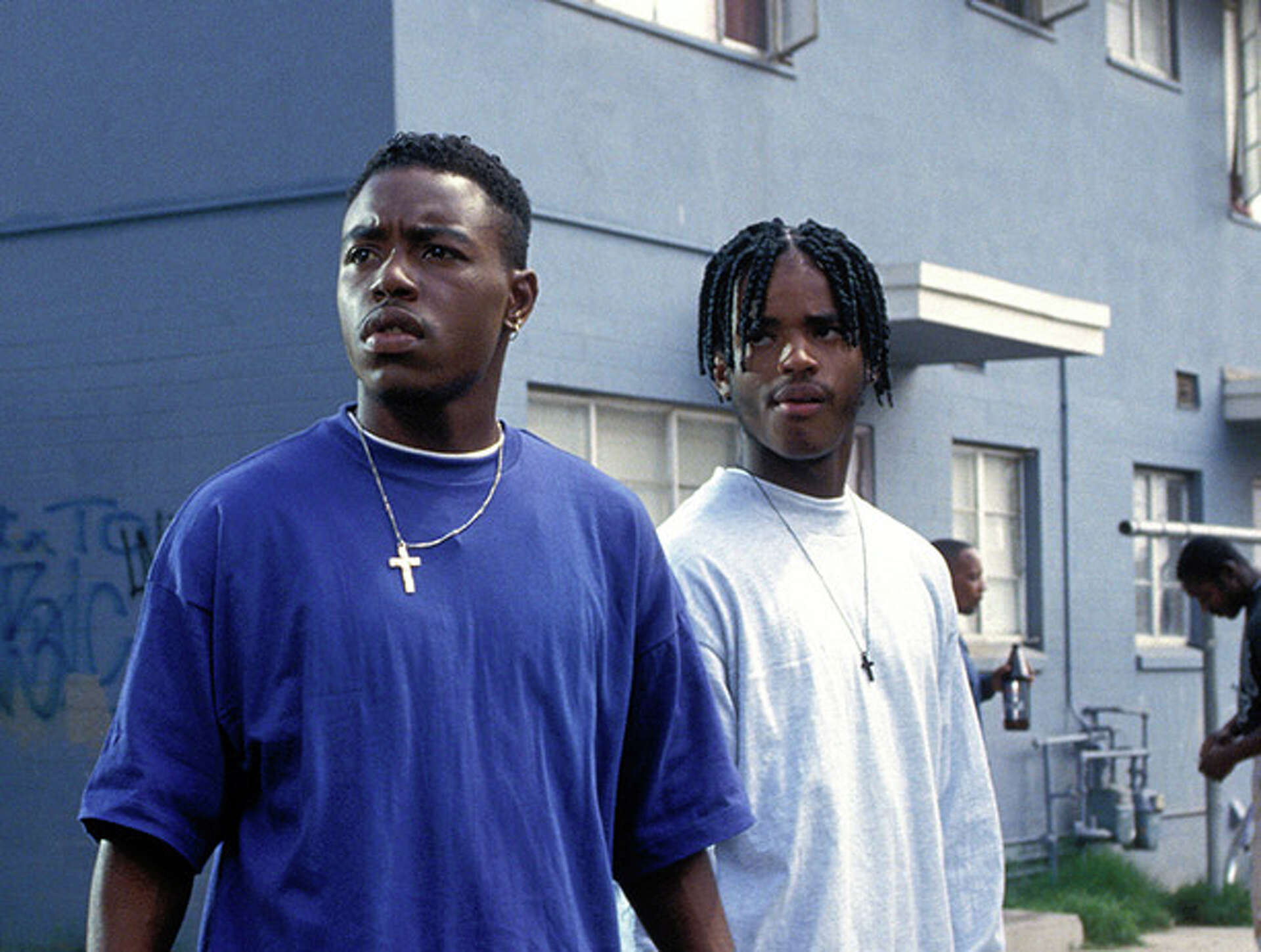
The night air in a South African township rarely belongs to quiet. There is always a distant murmur of life, a car engine straining against a pothole, music bleeding through concrete walls, the low hum of a community that refuses to stop breathing just because the sun went down.
Then came the cracks.
Not fireworks. Not backfiring engines. The sharp, unmistakable punctuation of automatic gunfire.
When the smoke cleared and the sirens finally cut through the dark, the arithmetic of tragedy was staggering. At least twenty-seven lives extinguished across two separate townships, in two separate scenes of calculated carnage. Twenty-seven people who had been eating dinner, talking about tomorrow, or simply walking home under the indifferent stars.
We read numbers on a screen like this and look for safety in distance. We tell ourselves that geographic miles create an insurmountable wall. But violence of this scale is not just a localized horror; it is a symptom of a deeper, global fracture. It is what happens when systemic vulnerability meets the cold, cheap availability of firearms.
To understand what happened in those townships, you have to look past the police tape. You have to look at the architecture of daily life where these tragedies take root.
The Geography of Vulnerability
Townships like those touched by this bloodshed were designed for containment. Decades ago, urban planning was weaponized to keep populations segregated, distant, and economically choked. While those physical laws have changed, the economic geography has proven remarkably stubborn.
Streets are often unlit. Emergency services are slow to navigate labyrinths of informal housing. Police response times are measured in miles of infrastructural neglect. When criminal syndicates or localized turf wars flare up, these areas become isolated islands.
Imagine living in a home where the walls are made of corrugated iron—thin sheets of metal that offer zero ballistic protection. Imagine knowing that if someone opens fire outside your window, the only barrier between your sleeping child and a stray bullet is a prayer and a thin piece of plywood.
This is the reality for millions. Safety is not a baseline condition; it is a luxury good.
Reports from the ground indicate that these mass shootings were not random outbursts of spontaneous anger. They bore the cold markers of execution-style attacks. In one tavern, patrons sat enjoying an ordinary evening until gunmen walked through the door with a chilling efficiency. In another location, a similar ambush unfolded.
Why? Extortion. Protection rackets. The ruthless expansion of illicit economies that feed on communities left behind by formal banking, formal employment, and formal security.
When the state cannot or does not protect you, power vacuums appear. And in those vacuums, men with guns write the local laws.
The Anatomy of a Massacre
Let us step inside a hypothetical evening to understand the mechanical tragedy of what occurred. (Note: While this specific narrative scene is constructed to illustrate the human cost, it is drawn directly from the verified operational patterns documented by local investigators and community leaders.)
Sipho sits on a plastic chair in the crowded room of a local tavern. The air smells of cheap beer, woodsmoke, and sweat. Laughter bounces off the concrete floor. He is talking to his cousin about an interview he has lined up for next week—a glimmer of hope in a job market where unemployment hovers at punishing heights.
He doesn't hear the footsteps crunching on gravel outside. He doesn't see the shadows lengthen across the doorway.
He only hears the sound that changes everything in a fraction of a second.
Pop. Pop-pop-pop.
In real life, violence is rarely cinematic. It is chaotic, blindingly fast, and deafeningly loud. People scramble. Tables overturn. Glass shatters into a million glittering diamonds under the harsh fluorescent lights. And then, silence.
The kind of heavy, suffocating silence that follows a sudden storm.
By the time emergency responders navigate the maze of unpaved roads to reach the scene, the perpetrators are long gone, melting back into the shadows of the sprawling settlement. Left behind are weeping mothers, shell casings glistening under police flashlights, and a collective psychological wound that will take generations to scar over.
Twenty-seven dead. Scores more wounded, carrying physical shrapnel and invisible trauma.
The Ripple Effect
A mass shooting does not end when the bodies are removed. That is merely act one.
The true devastation ripples outward through the economic and emotional veins of the community. Small businesses close their doors early or shut down entirely, terrified of becoming the next target of an extortion demand. Children grow up with a hyper-vigilant nervous system, flinching at car backfires, conditioned to duck before they learn how to swim.
Trust evaporates. When you cannot be certain who controls the streets—the police or the syndicates—fear becomes the primary currency.
South Africa has some of the strictest gun control laws on paper, yet illegal firearms flood informal settlements with terrifying ease. These weapons often bleed in from corrupted state armories, cross porous borders, or are smuggled through criminal networks that span continents.
It is a supply chain of death. And until the root sources of these weapons are choked off, no amount of reactive policing will stem the tide.
We must ask uncomfortable questions. Why are millions of young people locked out of the formal economy? Because desperation is the primary recruitment tool for organized crime. When a young man has no prospect of earning a living wage, a gun offers him a twisted form of power, status, and survival.
Fixing the violence requires fixing the soil from which it grows.
Beyond the Headlines
The news cycle is a cruel machine. It feeds on blood, digests the shock value for forty-eight hours, and then moves on to the next political scandal or celebrity misstep.
The twenty-seven victims of these township shootings will soon fade from the front pages. Their names will become statistics in annual crime reports, cited by politicians seeking soundbites and analysts drafting policy briefs from comfortable, air-conditioned offices far away from the dust and corrugated iron.
But the families will wake up tomorrow in the same houses. They will walk past the same unpaved roads. They will carry the empty chairs at their dinner tables.
We owe it to them to look closer. Not out of morbid curiosity, but out of a shared recognition of our common humanity. Because whenever human life becomes cheap enough to be extinguished over extortion money or territorial disputes, a piece of our global conscience dies with it.
The guns may have stopped firing in those townships for tonight. The sirens have faded. The blood has been washed from the concrete.
Yet the silence that remains is not peace. It is a held breath, waiting for the dark to fall again.