The Static
Air traffic control is mostly a symphony of mundane numbers. Vectors, altitudes, barometric pressures, squawk codes. It is a language designed to drain the panic out of the sky. But every controller knows the sound of the ghost. It is a momentary blip, a primary target without a transponder return, fading into the gray sea between jurisdictions.
When the news broke that Qatar had stepped forward to address the lingering shadows surrounding missing Iranian aviators, the headlines treated it like a standard diplomatic bulletin. Denials issued. Clarifications made. Bureaucratic armor polished.
Cold facts. Dry prose.
They missed the human core entirely. They missed the families staring at empty doorways in Isfahan and Tehran, counting the hours since a cockpit voice recorder went silent. They missed the quiet friction of political crosscurrents in a region where every whisper of an accident can trigger a tidal wave of suspicion.
Let us look past the official communiqués. Let us step into the room where the coffee is cold and the maps are spread too thin.
Anatomy of an Absence
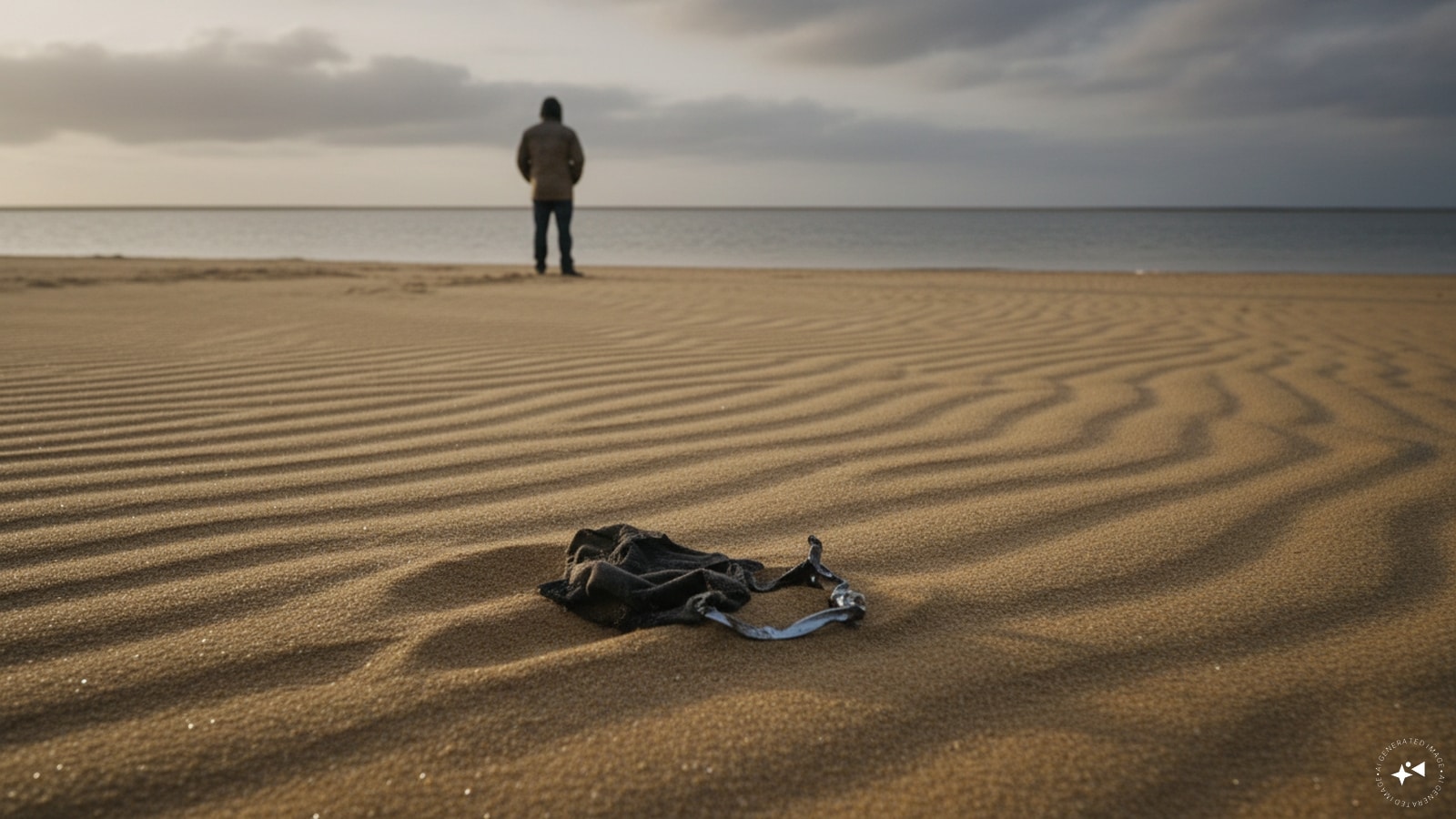
Imagine standing on a coastline where the wind smells of salt and sulfur, staring out at a body of water that refuses to give up its secrets.
Official statements from Doha were precise. They had to be. In international diplomacy, a misplaced adjective can mobilize a carrier strike group or freeze diplomatic channels for a decade. Qatar firmly rejected accusations that it had detained Iranian pilots. There were no secret cells, no clandestine interrogations, no hidden hangers in the desert dusk.
Instead, there was recovery.
Somewhere in the sovereign waters or territorial margins, search and rescue teams found what the sea had reclaimed. The remains of one pilot. Just one.
To a statistician, it is a data point. To the squadron mates back at the base, looking at an unwashed flight suit draped over the back of a metal chair, it is a devastating punctuation mark. It changes everything and nothing. It ends the agonizing limbo of wondering if an ejection seat cleared the canopy, while cementing the permanent reality of loss.
We forget how fragile high-tech machinery really is. A multi-million-dollar aviation marvel is, at its heart, just aluminum, titanium, and a human being who forgot to have a backup plan for the weather or a sudden mechanical failure. When a military aircraft goes down over contested or heavily monitored maritime borders, the wreckage does not just sink. It triggers an immediate storm of paranoia.
Why were they there? What was the flight path? Did radar pick up a distress call, or did the signal simply die in mid-sentence?
The Weight of the Credible Denial
Governments live in glass houses built of intelligence reports. When a neighboring state experiences a military aviation tragedy near your maritime frontier, your first instinct is not empathy. It is posture.
Qatar's swift and categorical denial of detaining surviving personnel was an exercise in high-stakes damage control. In the Gulf, rumors travel faster than sound. A rumor of detained pilots can spiral into accusations of hostile interference, airspace violations, or clandestine proxy games.
Consider what happens next when transparency is delayed by even twelve hours.
The vacuum fills itself. Social media channels ignite with fabricated footage, anonymous defense analysts chime in with fabricated intercepts, and grieving families are subjected to a cruel carousel of false hope and manufactured outrage. By coming forward to clarify that no aviators were locked away, but that human remains had indeed been recovered and handled with the solemnity required by maritime protocols, Doha tried to short-circuit the machine of speculation.
Yet, skepticism remains the default setting of the region. And frankly, it is earned. Decades of proxy friction, shifting alliances, and electronic warfare have taught everyone involved that governments rarely tell the whole truth, even when the partial truth is devastating enough.
I have spoken with defense analysts who spend their lives parsing satellite imagery of Gulf coastlines. They look at pixelated white wakes on blue water and try to reconstruct the last ninety seconds of a pilot's life. They will tell you that the hardest part of the job is not reading the radar telemetry. It is remembering that every single blip represents someone who had breakfast with their children twelve hours prior.
The Horizon
The remains recovered by Qatari authorities will eventually cross borders, wrapped in flags and protocol, returning to soil that feels heavier than it did a month ago. Honor guards will stand at attention. Salutes will be rendered.
And the diplomatic cables will go quiet.
The denial will be archived in digital filing cabinets. The missing pilot's flight log will be closed, stamped with a bureaucratic code that denotes operational termination.
But out on the water, the wind does not care about communiqués. The gray waves roll undisturbed over the impact zone, erasing the last oil slicks and metal fragments. The sky above remains wide, indifferent, and blindingly blue.
We are left with the quiet reminder that despite all our radar networks, our diplomatic channels, and our carefully worded denials, the earth still keeps its own counsel, and the people who fly into the sky are ultimately at the mercy of forces far older than any state boundary.


