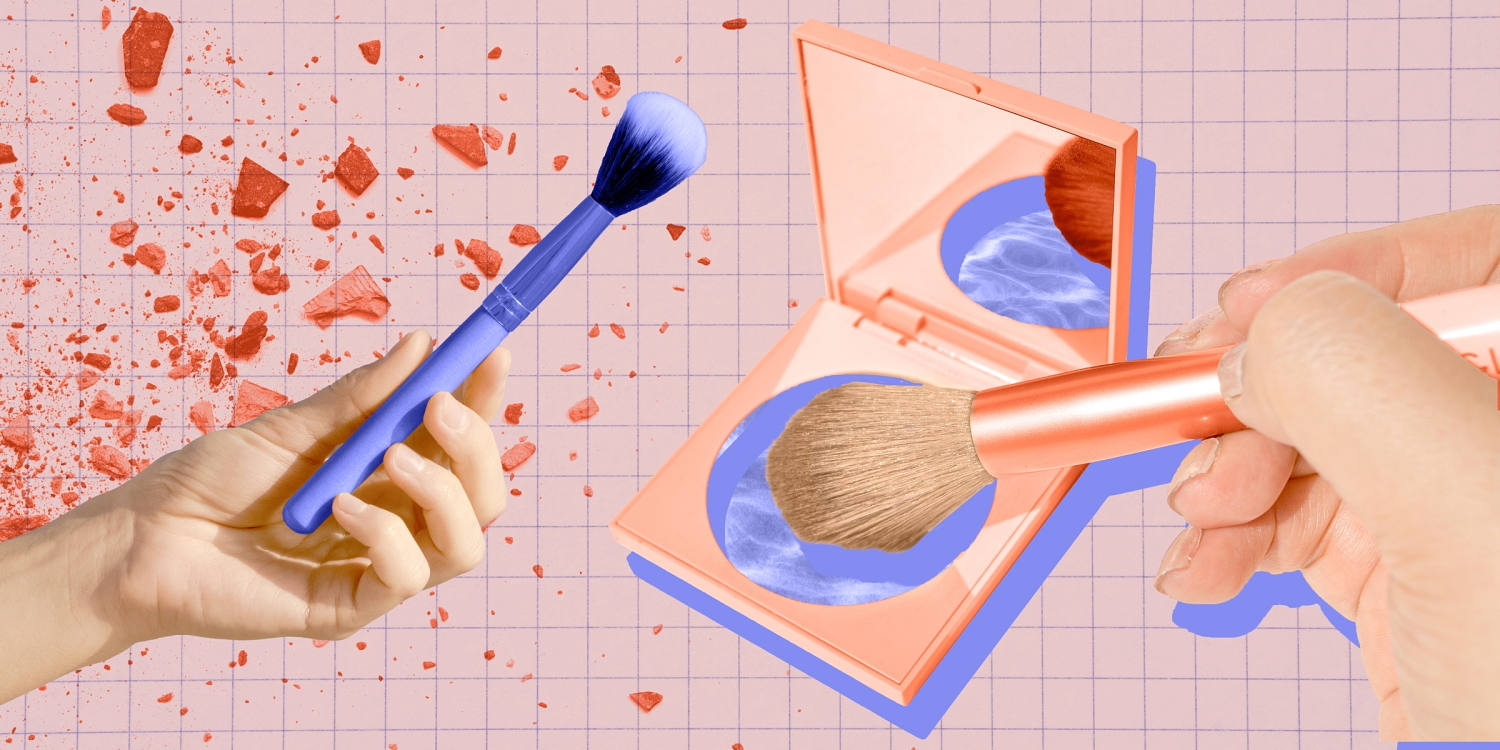
Morning light hits the bathroom mirror, revealing a ritual as familiar as breathing. You reach for the trusty powder brush, the fluffy dome designed to dust on that effortless morning glow. It feels soft. It looks fine.
You swipe it across your cheek.
What you cannot see in the mirror is an invisible metropolis. Thousands of microscopic bristles are currently acting as a sponge for dead skin cells, natural facial oils, environmental pollution, and leftover product from Tuesday, last week, and perhaps even last month. Every time you dip that tool back into your favorite cosmetic compact, you are inoculating your collection with a fresh wave of bacteria.
Then, you press it right back onto your skin.
Bacteria love moisture, warmth, and organic debris. Your makeup bag is essentially a humid, dark ecosystem tailor-made for microbial expansion. When neglected, those bristles transform from tools of enhancement into microscopic petri dishes.
Consider Maya. She is twenty-four, works in graphic design, and prides herself on a streamlined morning routine. Her skin usually behaves, except for stubborn, recurring breakouts clustered stubbornly along her right cheek and jawline—right where she grips her favorite contour brush. She drinks enough water. She washes her face every single night before bed without fail. She spends good money on targeted serums and acne patches, treating symptoms while completely ignoring the vector of transmission sitting right inside her vanity drawer.
Maya represents millions of people who treat their tools as inert objects. Brushes are not inert. They are extensions of our bodies, interacting directly with our pores day after day.
The Science of Build-Up
To understand why neglect matters, look at what accumulates in those synthetic or natural hairs. Every touch deposits sebum, the oily substance your sebaceous glands produce to keep skin hydrated. Sebum mixes with microscopic flakes of shedding skin, dust particles floating in indoor air, and liquid foundation or cream pigment.
As days turn into weeks, this cocktail oxidizes. It hardens at the base of the ferrule—the metal band holding the bristles together. Moisture trapped deep inside during a hurried rinse fails to dry properly, creating an ideal breeding ground for mold and fungi alongside bacteria like Staphylococcus and Streptococcus.
When dermatologists examine chronic skin irritation that defies expensive treatments, they often ask a simple question: When did you last wash your brushes?
The answer is usually met with silence. Or defensiveness.
Experts in dermatology and cosmetic hygiene generally agree on a cadence: foundation and concealer brushes, which handle wet, oil-rich products, need cleaning every seven to ten days. Powder brushes, which encounter mostly dry formulas, can stretch to every two weeks. Eye brushes sit in a gray zone; because they operate near the delicate mucous membranes of the eye, weekly sanitation helps prevent styes and pinkeye.
Yet reality tells a different story. Most people wait months. Some wait until the bristles feel stiff, crunchy, or begin smelling faintly stale.
The Cost of Waiting
Ignoring the hygiene of your tools carries immediate and delayed consequences.
First is skin health. Clogged pores lead to inflammatory acne, milia, and persistent irritation. If you have ever wondered why a breakout flares up in a linear smear across your cheekbone, look closely at the angle of your blush brush.
Second is performance. Dried product stiffens the fibers. Instead of diffusing pigment into a smooth, air-brushed finish, a dirty brush acts like a stiff broom, dragging product across the skin, streaking foundation, and muddying eyeshadow blends. You end up using more product to achieve less coverage, accelerating how fast you run through expensive cosmetics.
Third is longevity. The glues holding bristles inside the ferrule break down when saturated continuously with built-up oils and harsh chemical solvents found in some quick-drying sprays. A neglected brush sheds, loses its shape, and dies prematurely. Proper washing is not just a chore; it is maintenance for an investment.
The Ritual of Reset
Cleaning tools does not require complicated chemistry or expensive specialized machines. It requires warm water, a gentle surfactant, and patience.
Imagine taking a few quiet minutes on a Sunday evening. You lay out a soft towel on the counter. You fill a shallow bowl with lukewarm water—never hot water, which melts the glue binding the bristles to the handle.
You take your foundation brush, wet only the bristles while keeping the wooden handle bone-dry, and swirl it gently into a mild cleanser or a specialized brush shampoo. A drop of gentle baby shampoo works wonders.
As you swirl, watch the water transform. A murky tide of brown pigment, old oil, and gray dust swirls down the drain. You rinse under running water, pointing the brush downward so moisture never sneaks into the ferrule. You squeeze the water out gently with a clean microfiber cloth, reshaping the damp hairs back into their sharp, original point or soft, rounded dome.
Then, you lay them flat on the edge of a counter or prop them up at an angle to dry completely overnight.
When morning arrives, the difference is visceral. The bristles are impossibly soft again. They smell clean—neutral and fresh instead of stale and chemical. When you sweep that powder across your skin, it glides without friction, depositing color evenly, perfectly, lightly.
The invisible threat is gone. The mirror reflects a fresh start, not just on your face, but in the small, unseen habits that guard your well-being.
Caring for what touches your skin is an act of quiet respect for yourself. It acknowledges that small details matter, that health lives in the margins, and that sometimes, the simplest rituals are the ones that change everything.