Heat. That is the first thing a person notices when metal turns to ember in the Persian Gulf. Not the polite warmth of a morning kettle, nor the lazy afternoon sun on a porch, but a heavy, suffocating weight that presses against the chest before the eyes even register flame.
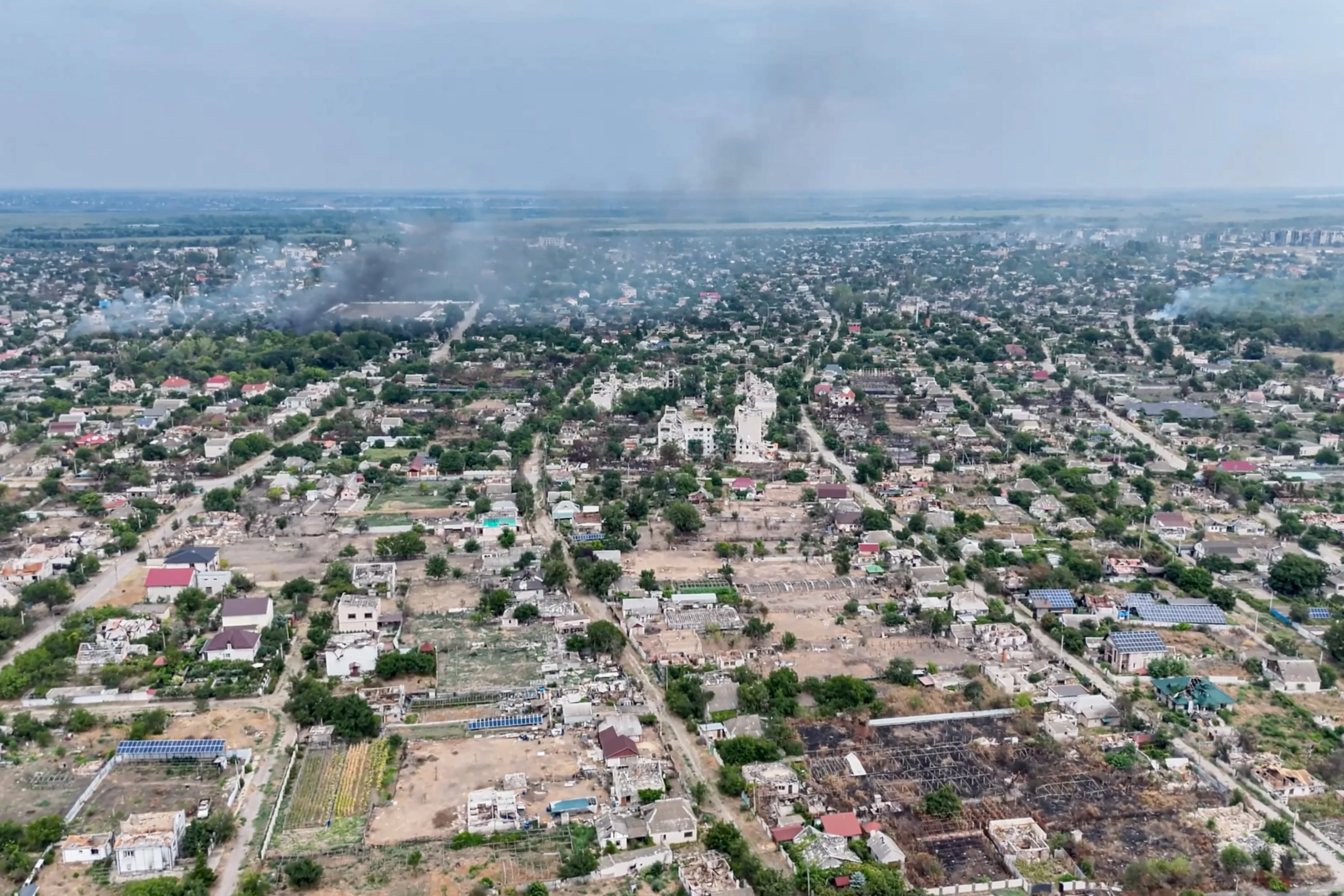
Somewhere off the coast of Iraq, a vessel is burning.
Out there, beyond the neat squares of cable chyrons and the brisk cadence of anchor desks, the ocean does not care about diplomatic phrasing. It does not care who called whom "not serious" in a statement released at midnight or which envoy packed a briefcase in Geneva or Vienna. Saltwater hisses against blistered paint. Diesel smoke curls thick and black into humid air. A crew member stands on a deck that feels suddenly too small, listening to the crackle of superheated steel and the distant thrum of patrol craft, wondering whether the next sound will be a rescue siren or a second impact.
War rarely announces itself with a single grand opera. More often, it arrives in fragments—a terse dismissal of talks from Tehran, a flash of fire off the Iraqi shoreline, a shipping lane whose insurance premiums jump overnight while a family three thousand miles away checks the price of fuel before driving to work.
I have stood on enough docks and watched enough newsrooms spin up during Middle Eastern flare-ups to recognize the rhythm of these hours. Everyone wants certainty right away. We want a map with clean arrows and a clear verdict on who is bluffing and who means business. Yet real crises move like fog over warm water: dense, disorienting, and full of shapes that shift the moment you stare too hard.
The Hypothetical Crew on Deck
To feel what a headline like "ship ablaze off Iraq" actually costs on a human level, consider a hypothetical seafarer—let's call him Tariq—standing watch on a commercial tanker riding the swell a few nautical miles from Iraqi waters. This is a composite, imagined figure built from real maritime patterns rather than a named individual in today's dispatches, yet his predicament is entirely grounded in how the Gulf operates.
Tariq has spent twelve years moving cargo through narrow waterways where history sits layered like sediment. Every time tensions spike between Iran and the United States, the atmosphere on a bridge shifts. Radios chatter with clipped urgency. Navigation officers double-check radar returns with a tension that makes their knuckles ache on the console.
Now imagine the alarm klaxon cutting through the hum of engines. Smoke—acrid, oily, sharp enough to sting the throat—drifts across the stern from a nearby vessel hit or caught in the crossfire of regional escalation. You cannot argue with fire using statecraft. You cannot pause a hull breach by declaring the other side insincere at the negotiating table.
When Tehran says Washington is "not serious" about talks, that phrase lands in boardrooms, ministries, and living rooms as a political judgment. Out on the water, it translates into something far more immediate: no diplomatic safety net overhead, no quiet backchannel guaranteeing that tonight's transit will be routine.
Why Diplomatic Words Sound Hollow Over Burning Steel
Diplomacy is a slow craft. It relies on patience, face-saving language, small concessions, and the shared belief that talking beats shooting. When Iranian officials dismiss American offers or posture as "not serious," they are signaling two things at once—to their own domestic audience, which has weathered decades of sanctions, pressure, and regional confrontation, and to Washington, which insists its leverage and terms are clear.
Skepticism runs deep on both sides. Decades of broken trust do not vanish because a meeting is scheduled. To an Iranian negotiator, American diplomacy can look like pressure wrapped in polite vocabulary; to an American official, Iranian demands can look like delay tactics designed to extract relief while regional proxies or forces keep the pressure on.
And in the middle of that distrust sits geography.
The waters off Iraq and across the broader Persian Gulf are some of the most congested, sensitive maritime corridors on earth. Even a single ship on fire near Iraqi waters sends a shockwave through regional security. Iraq itself has spent years trying to balance ties with both Washington and Tehran while keeping its own oil infrastructure and ports stable. When flames rise off its coast, Baghdad's tightrope walk becomes even narrower.
Think of diplomacy like two tightrope walkers edging toward the center of a high wire in a gusty wind. If one accuses the other of pretending to balance while actually trying to shake the line, neither takes a confident step. Meanwhile, down below, the safety net is frayed.
The Invisible Stakes Beneath Every Barrel
Most people reading about a burning ship off Iraq do not own a tanker. They do not set naval patrol routes. Yet almost everyone touches the chain of consequences that follows.
Global energy markets are exquisitely sensitive to fear. You do not even need a total blockade of major chokepoints for prices to twitch; the mere threat that a ship can catch fire near Iraqi waters makes insurers raise war-risk rates, makes captains hesitate, and makes traders price in disruption.
Here is how those ripples travel far beyond the Gulf:
- Maritime and freight costs: Higher risk premiums and rerouting add days and dollars to every shipment, costs that eventually filter into manufactured goods and fuel.
- Regional spillover: Incidents near Iraq test air defenses, coastal radars, and rules of engagement, raising the odds of miscalculation when nerves are already frayed.
- Political hardening: Every strike or burning hull strengthens hardliners who argue that restraint equals weakness, making serious talks even harder to revive.
I will admit something candidly: even for people who follow foreign policy closely, live conflict updates can feel overwhelming and surreal. One minute you are reading a statement questioning Washington's seriousness at the bargaining table; the next minute you are looking at reports of a blaze off Iraq. It is hard to know whether we are watching another dangerous escalation that stops short of all-out war, or the spark that pulls more actors into the fire.
Anyone who claims to know with absolute certainty how a live conflict will unfold in the next forty-eight hours is selling confidence they do not have. What we can see clearly is the pattern: rhetoric hardens, incidents flare at sea, and ordinary people—mariners, port workers, commuters, families—absorb the shock.
What People Actually Want to Know When News Breaks Fast
When headlines pair diplomatic standoff with a ship on fire, readers usually carry a few urgent questions beneath the surface.
First: Does a burning ship off Iraq automatically mean full-scale war? Not necessarily, though it sharply raises the danger. Historically, confrontations in the Gulf have often oscillated between shadow pressure, maritime incidents, retaliatory strikes, and tense pauses. Yet history is not a guarantee. Every spark near vital waterways carries the risk of misjudgment—a radar misread, a panicked response, an escalation neither capital originally wanted to spiral out of control.
Second: Why do talks stall right when tensions look most dangerous? Paradoxically, danger and distrust often pull in opposite directions. One side may feel that negotiating under fire looks like surrender, while the other believes more pressure will force better terms. When a government calls the other side "not serious," it is often drawing a line in the sand: we will not play along on your terms.
Third: Why does Iraq matter so much in a U.S.–Iran clash? Iraq sits right at the crossroads. It shares a long border with Iran, hosts U.S. forces and diplomatic presence, and depends heavily on oil exports moving through southern waters. When fire breaks out off Iraq's coast, it underscores how difficult it is for neighboring states to stay insulated when two larger powers clash nearby.
The Quiet Cost of Living on a Fault Line
There is an old habit in modern news consumption of treating conflict like a scoreboard. Who landed the sharper quote? Who looked tougher? Who blinked?
Scoreboards are tidy. Human lives are messy.
If you were standing on a pier in Basra or aboard a support vessel watching thick smoke rise off the coast, you wouldn't care about cable-news framing. You would care about heat, visibility, wind direction, and whether help was close. You would think about the phone call you promised to make after your shift ended.
Metaphorically speaking, the region has been living on a seismic fault line for generations—tremors here, rumblings there, occasional quakes that crack concrete and memories alike. Every time talks are dismissed as unserious while a vessel burns at sea, the ground shifts a little more.
Words can close doors. Fire can force people backward. And somewhere between the diplomats trading sharp dismissals and the crews fighting smoke on dark water, the real test of leadership is whether anyone still remembers how to lower the temperature before the whole room catches light.
Out on the Gulf, the water keeps moving, black smoke rising against the horizon like an exclamation mark nobody asked for.