The PR Illusion at SoFi Stadium
The mainstream sports press loves a heartwarming narrative. When news broke that the Iranian national soccer team left a handwritten note at SoFi Stadium thanking Los Angeles for its World Cup hospitality, the media immediately swallowed the bait. Out came the predictable, recycled commentary about the beautiful game healing geopolitical rifts.
It is an elegant fantasy. It is also entirely wrong.
Treating a calculated public relations gesture as a spontaneous act of international goodwill ignores how modern sports diplomacy actually operates. Having spent years analyzing the intersection of elite sports infrastructure and global politics, I can tell you that nothing left behind in a locker room at this level is accidental.
The "thank you" note was not an olive branch. It was a highly coordinated, sterile branding exercise designed to navigate one of the most politically charged sports environments in recent history.
The Illusion of the Pure Athlete
Mainstream coverage operates on a flawed premise: that athletes exist in a vacuum, entirely separate from the geopolitical realities of the federations they represent.
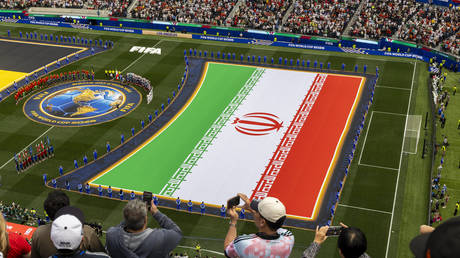
When the Iranian team stepped onto the pitch in Los Angeles, they carried the weight of a complex domestic political situation and a massive, deeply divided diaspora community in Southern California. The stadium was not just a sporting venue; it was a pressure cooker of political protest, competing flags, and immense scrutiny.
To believe that a locker room note is a simple gesture of gratitude requires a willful ignorance of sports management.
- Locker Rooms Are Under Surveillance: At major tournaments, every square inch of a facility—short of the showers—is monitored, managed, and swept.
- Media Access Is Managed: Teams know exactly how information flows from the dressing room to social media.
- Gestures Are Premeditated: Staff members handle logistics, including what is left behind for stadium crews and local organizers.
The note was left precisely because the team needed a safe, neutral narrative to dominate the post-match cycle. It allowed them to acknowledge the host city without taking a stance on the fierce political demonstrations happening right outside the stadium gates. It was a tactical retreat into politeness.
Why Sports Diplomacy Frequently Fails
The lazy consensus dictates that sports bring people together. The data suggests otherwise. Historically, mega-events do not bridge ideological divides; they amplify them.
Consider the historical precedent. The 1936 Berlin Olympics did not curb Nazi aggression. The 1978 World Cup in Argentina was used by a brutal military junta to whitewash its human rights record. More recently, the 2014 Sochi Winter Olympics preceded a major geopolitical invasion by mere weeks.
Sports do not change foreign policy. Governments change foreign policy.
Geopolitical Tension + Sporting Event = Amplified Scrutiny (Not Resolution)
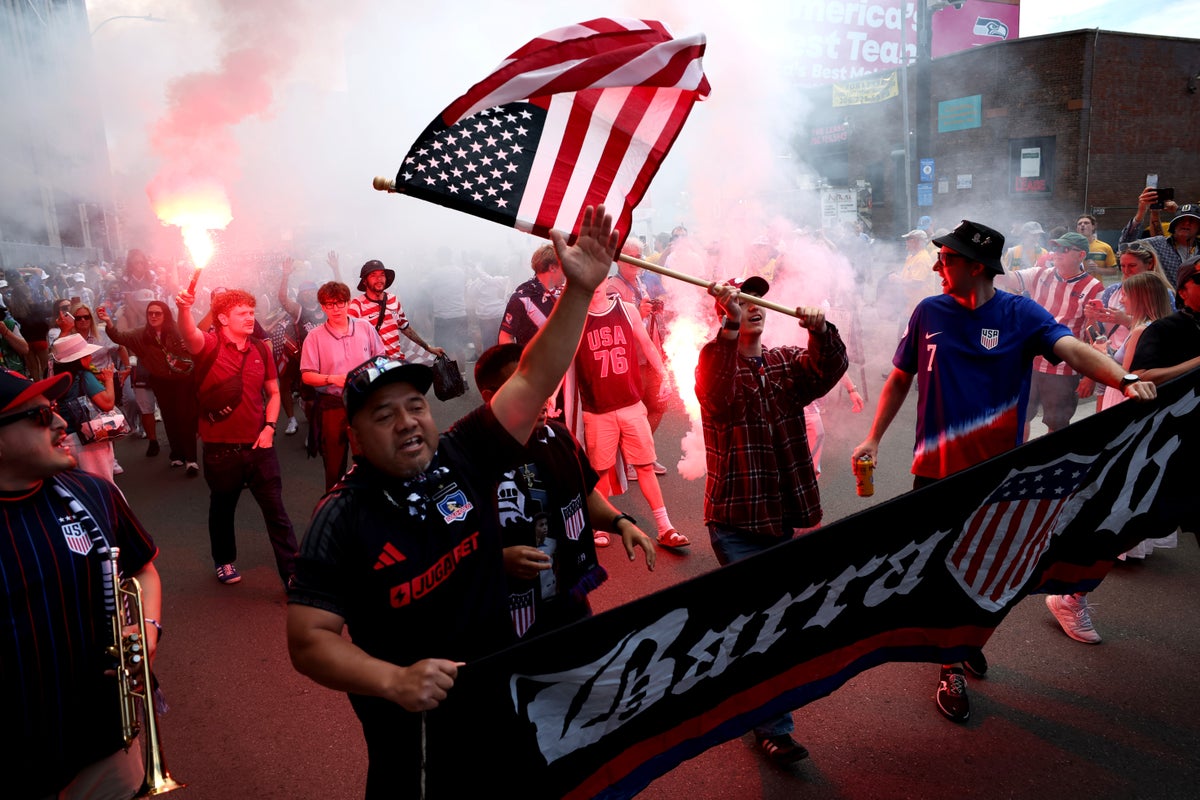
When an international team plays in a city like Los Angeles—home to Tehrangeles, the largest Iranian diaspora outside of Iran—the match becomes an arena for proxy conflicts. Protesters use the stands to broadcast messages that are banned at home. Players are forced to walk a tightrope, knowing that a single wrong word or gesture could have severe consequences for their careers or their families.
In this environment, leaving a note thanking the city for its "hospitality" is the ultimate corporate shield. It is benign. It is unassailable. It says absolutely nothing of substance, which is exactly why it was written.
Dismantling the Public Relations Playbook
If you want to understand how elite sports organizations manipulate public sentiment, you have to look at the mechanics of the "clean exit."
I have watched sports federations spend hundreds of thousands of dollars on crisis management firms just to handle the optics of a single press conference. The locker room note is a classic, low-cost, high-yield tactic. It costs nothing, requires zero policy commitment, and guarantees positive local press coverage.
The Strategy Behind the Script
- Deflect Friction: Shift the media focus away from political tension and toward basic manners.
- Co-opt the Host Nation: Flatter the local organizers so they defend your presence against critics.
- Create Artificial Consensus: Force the media to write the same "sportsmanship wins" story, drowning out investigative journalism.
The downside to calling this out is obvious: you look like a cynic. People want to believe in the magic of the World Cup. They want to believe that a piece of stationery can bridge a decades-old international stalemate. But feeding into that delusion does a disservice to the athletes who are genuinely trapped between autocratic regimes and international expectations.
The Real Question We Should Be Asking
The media asks: Isn't it wonderful that the team showed such class?
The real question is: Why do we allow soccer federations to use basic etiquette to evade the deep, systemic exploitation of the sport for political signaling?
We are watching a massive influx of capital and geopolitical maneuvering reshape global soccer. Dictating the narrative through manufactured wholesome moments is a key part of that playbook. When fans and journalists clap along at a handwritten note, they are validating a strategy designed to keep them blind to the power dynamics at play.
Stop looking at the locker room floor for signs of global peace. The note at SoFi Stadium was not a message of hope. It was a masterclass in risk mitigation.