When Washington presses its closest allies to pitch in during an overseas conflict, the expected response is usually compliance. South Korea just proved that rule wrong.
President Lee Jae Myung drew a hard line, stating clearly that Seoul won't deploy military troops or assets to the Middle East in a way that drags the country into the ongoing US conflict with Iran. For an export-driven nation heavily reliant on Middle Eastern oil, this isn't just about dodging a foreign quagmire. It's a delicate tightrope walk between honoring a decades-old security alliance with Washington and protecting domestic economic stability.
The Pressure to Patrol the Strait
The tension stems directly from intense pressure applied by the White House. U.S. President Donald Trump has repeatedly pushed allies who depend on Middle Eastern shipping lanes to help secure the Strait of Hormuz. With tankers facing constant threats and disruptions, Washington expects partners to share the burden of keeping maritime trade routes open.
South Korea gets roughly 70 percent of its oil imports from the Middle East, meaning safe passage through those waters is an existential economic necessity. Yet, the government in Seoul recognizes a massive difference between safeguarding commercial shipping and getting pulled into an active war theater. Public sentiment at home is heavily opposed to any military entanglement, with citizens staging rallies in Seoul to protest potential troop deployments.
Walking the Fine Line of Defense
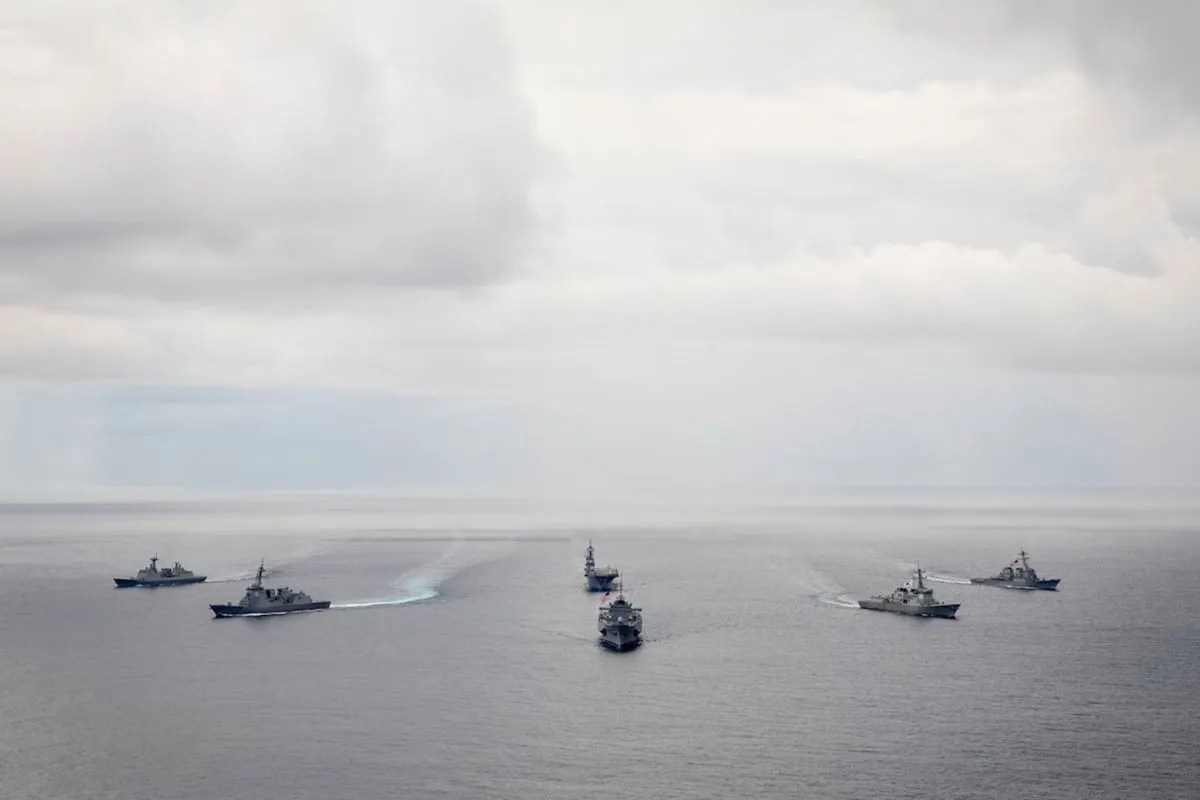
Instead of sending combat troops to join the American campaign, Seoul carved out a very narrow, strictly defensive compromise. The South Korean government approved motions to extend and expand the operational reach of the Cheonghae Unit—an anti-piracy naval force already stationed near the Gulf of Aden.
Rather than participating in offensive operations or monitoring Iranian territory, this expanded mission focuses entirely on protecting South Korean commercial vessels and citizens. The upgraded deployment includes additional surveillance equipment, maritime patrol aircraft, and mine-detection gear designed to secure shipping lanes without crossing into direct intervention. It is a calculated middle ground. Seoul gets to show it is taking responsibility for its own energy security without giving Washington the combat boots on the ground it asked for.
Economic Realities and Alliance Pressures
Foreign policy experts point out that South Korea's refusal highlights a shifting reality in global geopolitics. Middle powers are increasingly unwilling to blindly follow superpowers into costly regional conflicts. At the same time, Seoul has to manage the fallout of defying Washington. Defense analysts warn that friction over allied contributions could bleed into other areas of the bilateral relationship, including defense cost-sharing and the ongoing transfer of wartime operational control.
Balancing national security interests means Seoul must keep communication lines open with both Washington and Tehran, avoiding actions that permanently alienate either side. As energy markets fluctuate and regional tensions persist, South Korea's strategy offers a blueprint for how smaller allies can say no to military entanglements while still guarding their vital economic lifelines.
Check out this analysis on the regional security dynamics Trump Gets Military Support? South Korea Moves Naval Assets Closer To Strait Of Hormuz. This video breaks down how South Korea's naval adjustments near the Strait of Hormuz are being perceived internationally amidst ongoing pressure from Washington.