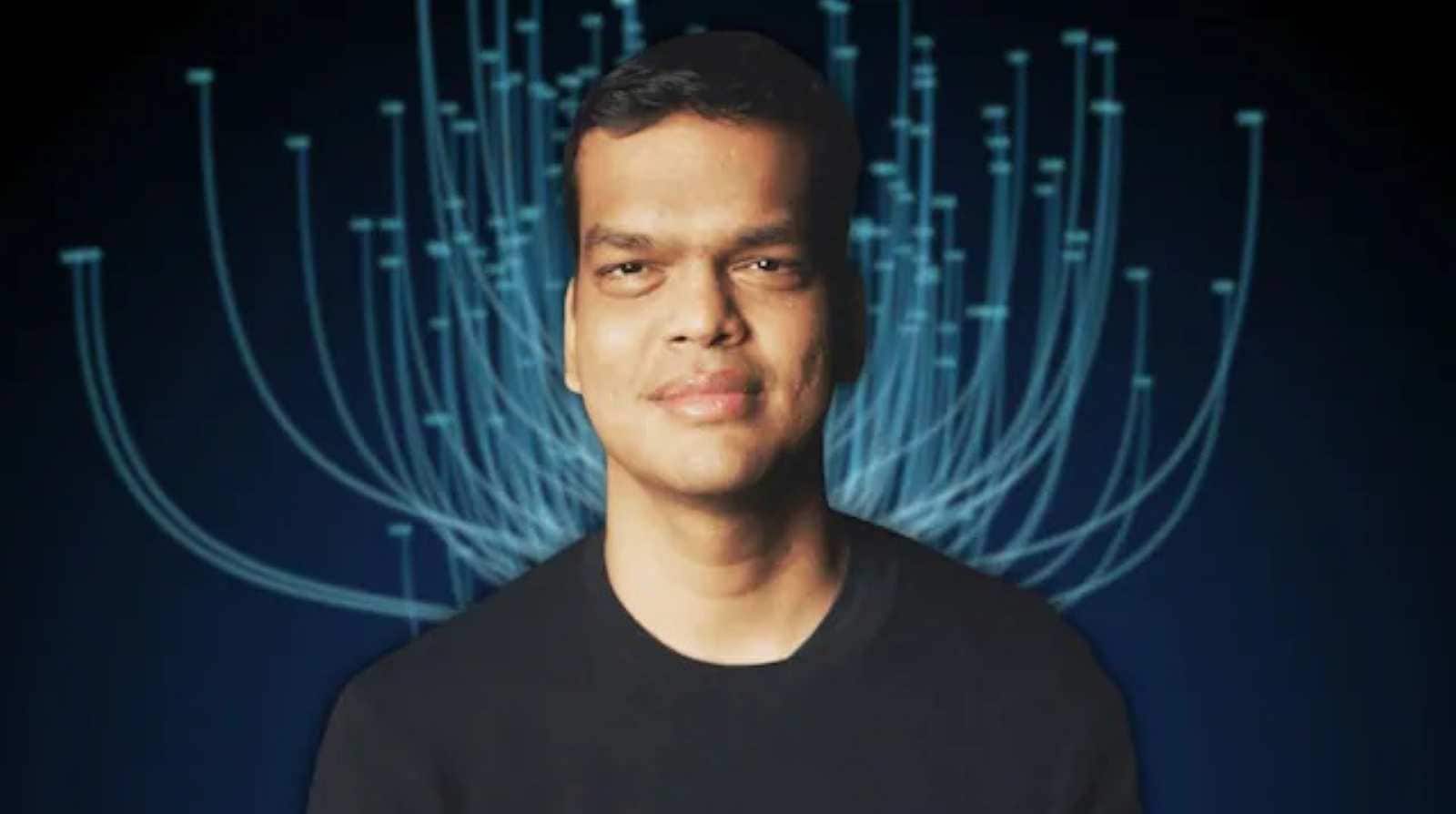
Sriram Krishnan is packing his bags. The Chennai-born venture capitalist turned Washington insider announced he will step down as the White House senior policy adviser for artificial intelligence at the end of June 2026. After 18 months of rewriting the rules for American technology, he's trading his West Wing office for a new, independent tech institute.
This isn't just standard political turnover. Krishnan was the brain behind the Trump administration's aggressive push to deregulate AI and expand massive data centers. His sudden departure exposes a deepening ideological rift over national security, energy, and corporate power in Washington.
The Architect of Deregulation
Krishnan didn't come from the typical DC policy pool. He built his career at Microsoft, Facebook, and Twitter before becoming a general partner at venture capital giant Andreessen Horowitz. He even advised Elon Musk during the chaotic takeover of X.
When he entered government in January 2025, he brought Silicon Valley's "move fast and break things" philosophy straight to the Oval Office. He quickly teamed up with David Sacks, the administration's AI and crypto czar, to craft a heavily pro-industry strategy.
Together, they built the American AI Action Plan. The goal was simple: clear out regulations, fast-track the permits needed to build massive data centers, and ensure American dominance over foreign competitors. Krishnan also spearheaded the National AI Policy Framework executive order, designed to stop individual states from passing their own patchwork of AI safety laws. He basically spent a year and a half ensuring tech companies could build without government interference.
Silicon Valley Versus the Populists
Krishnan's tenure wasn't smooth sailing. His appointment instantly triggered an internal war within the administration's political base. Far-right internet personalities, including Laura Loomer, attacked him over his background as an immigrant who previously supported easing green card caps for highly skilled foreign workers.
Tech billionaires like Elon Musk and Marc Andreessen rushed to defend him online, but the episode revealed a fundamental friction. Silicon Valley needs global talent to win the tech race. The populist wing of the administration wants strict borders.
Lately, that political friction has mutated into a massive policy headache over national security and infrastructure.
The Mythos Standoff and Power Grid Panic
While Krishnan spent 18 months preaching open innovation, other heavy hitters in the administration started getting cold feet. Chief of Staff Susie Wiles and Treasury Secretary Scott Bessent have raised serious alarms about frontier AI models.
The primary catalyst for this shift is Mythos, the highly anticipated advanced model from Anthropic. National security officials fear that models of this scale are becoming smart enough to discover catastrophic software security vulnerabilities that foreign adversaries could exploit.
The tension boiled over into a full-blown standoff. The Pentagon blacklisted Anthropic after the company refused to let the U.S. military use its models for domestic surveillance and fully autonomous weapons systems.
While a recent White House meeting with Anthropic's CEO seemingly cooled down the public feud, it forced a major policy pivot. The administration issued an executive order directing federal agencies to ask AI developers to voluntarily hand over their most capable models for government cybersecurity testing before public release.
For a libertarian-leaning tech investor like Krishnan, this shift toward government pre-clearance—even on a voluntary basis—was a tough pill to swallow. He reportedly convinced the president to delay signing earlier versions of the order, fearing it would morph into a mandatory government gatekeeping regime.
Then there's the energy crisis. Building the massive data centers required for these models takes an astronomical amount of electricity. Local communities are pushing back against the strain these centers place on regional power grids. During his State of the Union address in February, the president told tech companies they need to start building their own power plants.
What Happens Next
Krishnan isn't retiring to a beach. He stated he plans to launch an outside policy and technology organization aimed at recruiting engineers to help the U.S. government navigate energy, infrastructure, and policy.
If you're running a tech company, building AI products, or investing in the space, here's what you need to track immediately:
- Watch the vacant portfolio: Pay close attention to who replaces Krishnan inside the White House. If the role goes to a national security hawk instead of a Silicon Valley insider, expect voluntary compliance rules to harden into mandatory restrictions.
- Prepare for local power battles: The era of plugging massive AI clusters into the standard grid is ending. Keep an eye on federal incentives or mandates forcing tech companies to fund and build independent energy infrastructure.
- Audit your model pipeline: The government's new focus on cybersecurity testing means frontier models will face intense scrutiny before launch. Ensure your development timelines account for potential federal reviews and security audits.
The hands-off approach to American AI development is facing its toughest challenge yet. As the administration flirts with taking equity stakes in AI firms and demands early access to source code, the line between private tech companies and national security infrastructure is completely blurring.