When a swarm of long-range drones struck fuel terminals and digital infrastructure deep inside Russia's second-largest city, the illusion of geographical immunity shattered completely. We aren't looking at isolated skirmishes anymore. We are watching a systematic shift in how modern asymmetrical warfare bypasses traditional air defense perimeters to hit critical economic targets where it hurts most.
St. Petersburg sits roughly 850 kilometers away from the Ukrainian border. For a long time, that distance felt like a safe cushion against the daily realities of the frontline. That cushion burned away when Ukrainian long-range systems, including specialized platforms like the FP-1 drone, hit multiple targets across the region. For an alternative perspective, read: this related article.
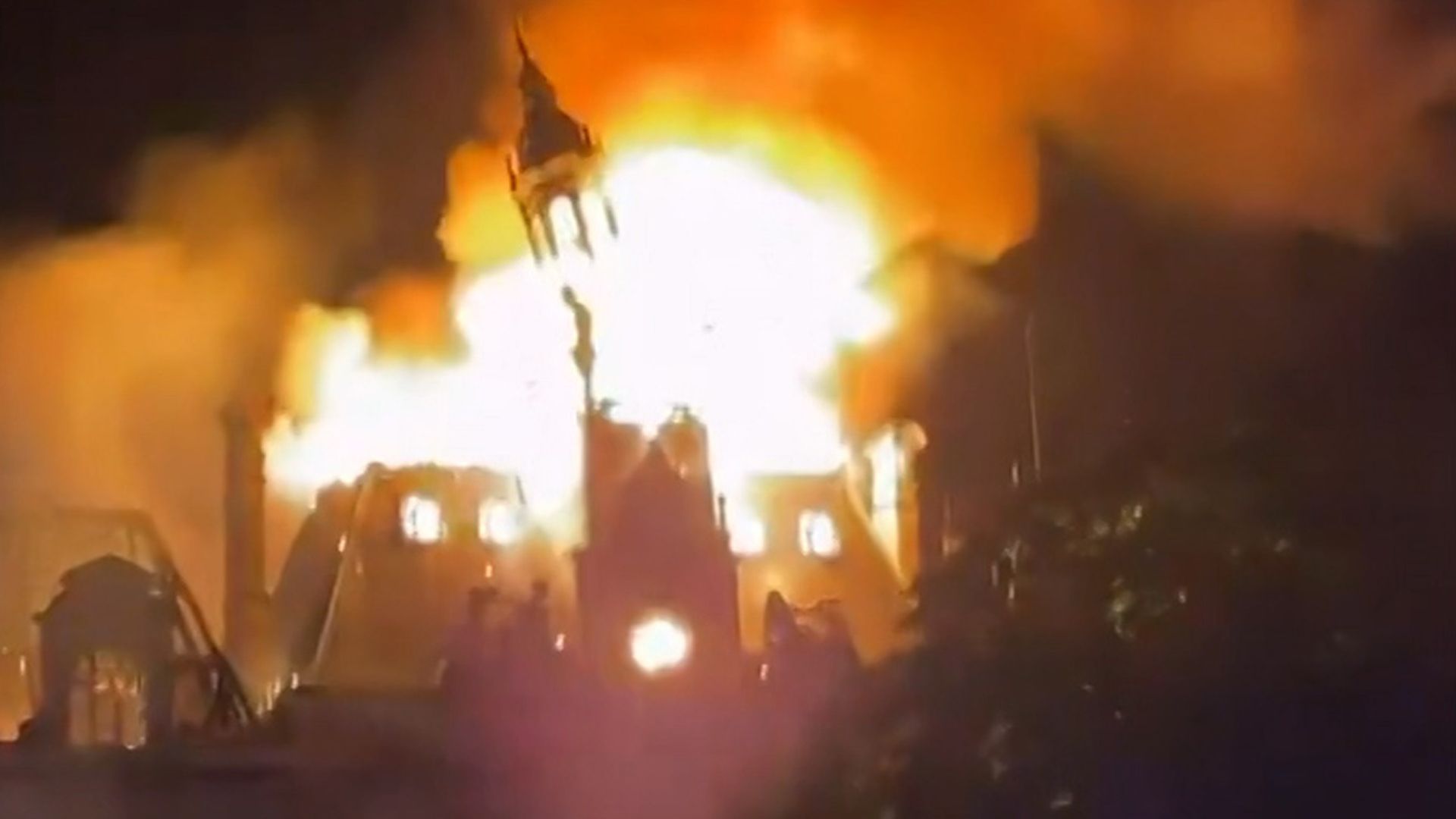
The primary target was the St. Petersburg Oil Terminal, a massive industrial hub handling the receipt, storage, and export of millions of tons of petroleum products. With an annual throughput capacity hovering around 12.5 million tons, this facility is a vital cog in the machinery that fuels export revenues. When fires broke out across the terminal and the nearby Ruchyi oil depot, the economic message was loud and clear. Hitting refineries and storage depots is no longer just a tactical tactic; it is an economic strategy designed to constrain the adversary's financial engine.
Local authorities scrambled to manage the fallout. Regional officials reported dozens of incoming UAVs intercepted or neutralized, but debris and direct impacts still triggered widespread structural damage, localized fires, and disruptions. Beyond the fuel depots, the sweep of the attack touched other vital nodes. A key data center belonging to VKontakte, Russia's dominant social media platform, took direct hits that compromised server racks and disrupted digital services. Logistics hubs and infrastructure links like bridge spans also found themselves in the crosshairs. Further analysis on the subject has been shared by USA Today.
People often miss the broader industrial picture here. Modern drones are cheap to manufacture relative to the multi-million-dollar air defense missiles required to shoot them down, let alone the staggering replacement costs of a burning oil terminal. When weaponized swarms can travel hundreds of miles past multiple layers of radar, the strategic math favors the attacker. Air defense networks cannot be everywhere at once. Protecting every single square kilometer of an expansive nation is logistically impossible.
This brings us to a stark operational reality. Energy infrastructure sits at the center of this strategy. Both sides have spent years targeting power grids, fuel depots, and processing plants. Yet, pushing these strikes deep into cultural and economic centers like St. Petersburg changes public perception inside Russia. It moves the war from a distant television broadcast into local neighborhoods, where residents wake up to the sound of air defenses and plumes of thick black smoke over the port.
Expect this trend to accelerate. As drone autonomy improves and payloads become more efficient, physical distance offers diminishing protection. Strategic facilities will keep adapting, hardening their perimeters, and deploying localized electronic warfare measures, but the cat-and-mouse game between long-range strike capabilities and air defense will only intensify. The rules of strategic depth have been rewritten for good.