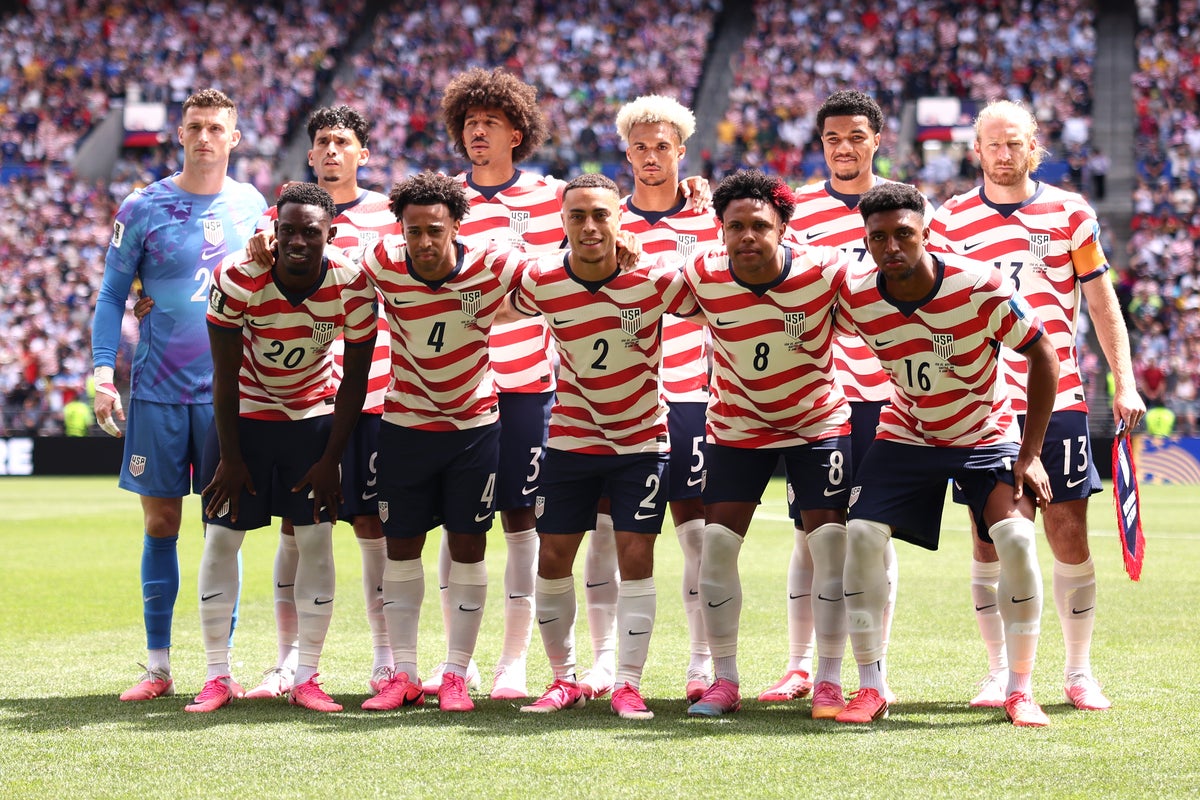
You can paint a custom jersey, fly 1,100 miles from Los Angeles to Seattle, and flash a million-dollar smile from the sidelines. But none of it changes what happens on the pitch. When the US Men’s National Team took the field at Seattle Stadium in front of 66,000 screaming fans, the atmosphere felt massive. Regal. Almost coliseum-like. The stands were packed, ticket prices were through the roof, and the celebrity row looked sharp.
Paris Hilton was right there on the grass pre-game, rocking her custom gear and soaking in the energy. She has quickly become a regular fixture at these matches, showing a level of dedication that even hardcore fans have to respect. Putting in those travel miles isn't nothing.
But once the whistle blew, the glitter wore off.
Against a sharp, clinical Australia squad, the USMNT put on a display that can only be called flat. The star power in the suites couldn't mask the lack of cohesion on the grass. While the stadium energy was a roaring success, the actual performance on the pitch left local fans wondering if the home-field advantage was completely wasted.
The Gap Between Star Power and Actual Chemistry
It is easy to get distracted by the spectacle. When a World Cup match comes to town, the hype machine goes into overdrive. You see the social media posts, the drone shots of the city, and the lifestyle footage of celebrities invading the Pacific Northwest. It makes the event feel like the center of the sporting universe.
The problem is that hype doesn't defend set pieces.
Australia showed up with a clear plan, exploiting gaps in the midfield and suffocating the American transitions. Without Christian Pulisic out there to spark the offense, the USMNT looked entirely out of ideas. They possessed the ball, sure, but it was empty possession—passing sideways, backward, and eventually turning it over under pressure.
- Midfield stagnation: The ball moved too slowly to unbalance the Australian defense.
- Lack of clinical finishing: The few half-chances created were wasted with poor decision-making in the final third.
- Defensive lapses: Communication broke down on transition, leaving the backline completely exposed.
Witnessing 66,000 people go quiet during a defensive breakdown is a bizarre experience. The crowd wanted to explode. The energy was teetering on the edge of a riotous celebration all night, but the team simply never gave them the trigger.
What It Takes to Win Home Matches
Playing on home soil during a major tournament comes with a specific kind of pressure. The crowd gives you an emotional lift, but it also creates an expectation. You're supposed to dictate the tempo. You're supposed to make the visiting team feel the weight of the stadium.
Instead, the squad looked hesitant. They played as if they were waiting for something to happen rather than forcing the issue. True soccer tactical dominance requires high-pressing sync and rapid vertical movement, two things that were entirely absent from this performance.
When you look at successful home campaigns in international tournaments, the teams treat the stadium like a fortress. They play with an aggressive edge from the first minute. On this night, the Americans looked like guests in their own house, watching Australia dictate the terms of the engagement.
Adjusting the Strategy for the Next Round
The luxury lifestyle surrounding the sport will always be there. The custom jerseys will keep selling, and the influencer rows will stay packed. That's great for the business of soccer, but it's irrelevant to the tournament standings.
If this team wants to progress, the tactical approach needs an immediate overhaul. Relying on individual brilliance from missing stars isn't a strategy; it's a prayer. The coaching staff has to find a way to generate attacking depth from the current roster, focusing on quick combinational play rather than slow build-ups that let the defense get organized.
Fixing the transition defense is the first priority before the next match. The players need to drill tracking back with urgency, closing down the passing lanes before the opposition can exploit the wings. If they don't tighten up the spacing between the midfield and the defensive line, the next outing in front of a massive crowd will end with the exact same quiet disappointment. Tighten the lines, pick up the tempo, and earn the applause.