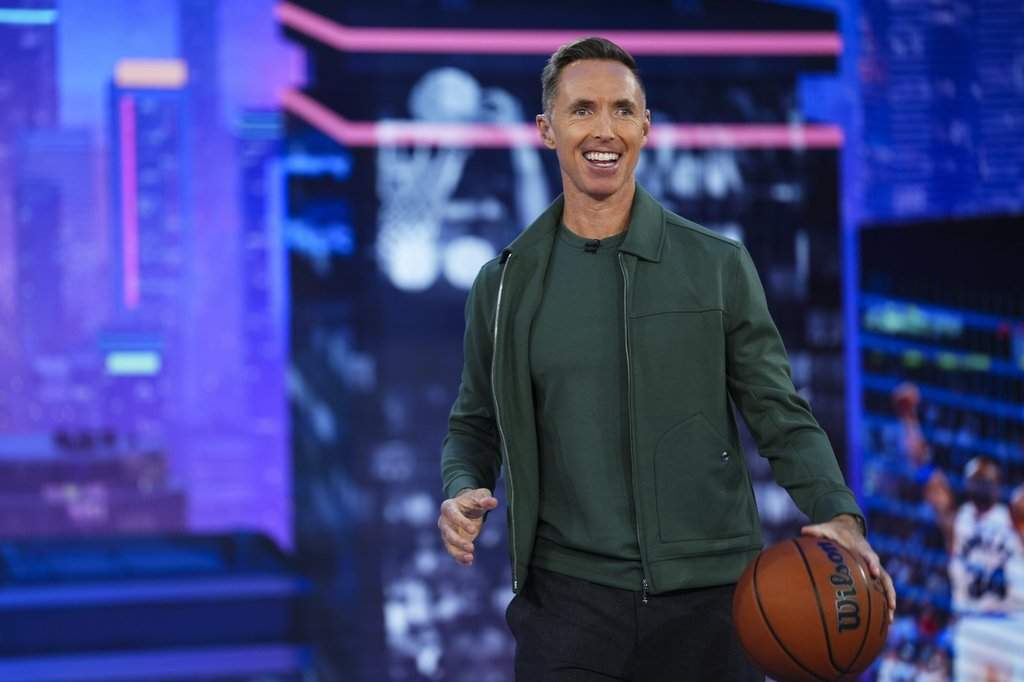
When Steve Nash says a basketball team is dangerous, I listen. The man won two MVPs, ran some of the sharpest offenses the league has seen, and knows what real basketball IQ looks like when it walks onto the floor. Ahead of the 2026-27 NBA season, Nash called the Toronto Raptors potentially dangerous, pointing straight at Kawhi Leonard and how he fits alongside Scottie Barnes and the rest of Darko Rajaković's crew.
He isn't saying Toronto is a lock for a title. That's not how Nash talks. He's saying that when the pieces click and people stay upright, this roster has the teeth to wreck playoff plans in the East.
What Makes Toronto Dangerous According to Steve Nash
Most hot takes about Toronto start and stop with nostalgia or loud preseason rankings. Nash went straight to function. After Leonard logged 65 games for the Los Angeles Clippers during the previous season and played at an All-NBA level, Nash highlighted how naturally Leonard's game scales up or down depending on who has the rock.
Leonard doesn't need forty touches a night to warp a defense. He can be the primary scorer when the half-court offense bogs down. He can also slide off the ball while Scottie Barnes runs action, reads the floor, and pushes pace. In playoff basketball, having a wing who switches seamlessly between lead creator and lethal finisher takes massive pressure off everyone else.
Nash also keyed in on the two-way edge Leonard brings. Perimeter size, physical strength, defensive rebounding, and a legitimate late-clock closer—those traits travel in April and May. Toronto already posted a top-five defensive rating the prior season (113.0), so adding an engaged two-way forward to a group that already likes to defend gives Rajaković real lineup teeth.
Still, Nash pumped the brakes on instant euphoria. Getting a new core to "matriculate together" takes real reps, and a crowded Atlantic Division doesn't hand out free wins.
The Scottie Barnes and Kawhi Leonard Fit
On paper, pairing Scottie Barnes with Kawhi Leonard looks juicy. In practice, basketball chemistry isn't automatic.
Barnes thrives when he can attack mismatches, make connective passes, and operate as a multi-positional hub. Leonard thrives when he gets clean spots, physical seals, and decisive possessions where the defense can't double without paying. If both players occupy the same sluggish pockets of the floor, spacing gets sticky fast.
Here's what actually makes the pairing work when they share minutes:
- Staggered creation: Barnes can push early offense off rebounds and hit early-clock actions, letting Leonard save his legs for tougher half-court possessions.
- Physicality on the glass and perimeter: Together with players like RJ Barrett, Immanuel Quickley, and Jakob Poeltl, Toronto can throw big, physical looks at opposing wings and guards.
- Late-game clarity: Close games often expose teams that lack a go-to bucket-getter. Leonard gives Toronto a proven closer who doesn't get sped up.
That said, I've watched enough NBA seasons to know talent never guarantees smooth rhythm. Developing clean habits—knowing when to cut, when to clear out, and how to keep the ball moving without stalling—takes months, not training camp scrimmages.
Why Health and the East Are the Real Catch
Let's be honest about the elephant in the room. Leonard's injury history has been the central storyline of his career for years, and reports around knee treatment and missed time early in the 2026-27 season show why caution is warranted. A sixty-five-game season is a great sign when it happens, yet it doesn't erase every medical question mark that follows him.
And Toronto isn't operating in a vacuum. The Eastern Conference—and the Atlantic Division specifically—is loaded with tough matchups, sharp coaching, and teams hungry to contend. Preseason projections like Sportsnet's coverage of Nash's comments and BVM Sports' breakdown reflect that exact split view: real upside if healthy, serious risk if key players miss stretches.
Nash summed up the league's truth pretty plainly: it comes down to who puts themselves in position to play their best basketball and stay healthy when it counts. A team can look electric for two weeks in November and still run into trouble if its top dogs aren't right in the spring.
What Fans Should Watch Next
If you're tracking whether Toronto lives up to Nash's warning, skip the box-score chasing for a minute and watch three things instead:
- Leonard's workload and availability: Pay attention to how the medical staff manages his minutes and recovery stretches rather than stressing over every single absence.
- Half-court execution in fourth quarters: Watch who initiates the offense in tight games and how cleanly Barnes and Leonard share space when defenses tighten up.
- Defensive consistency against top-tier wings: Check whether Toronto holds its defensive identity against heavy East opponents when rotations get shortened.
Watch a few full fourth quarters over the next month rather than judging the team off highlights, because that's where you'll see if Toronto's danger is real.
Steve Nash & UD react to RJ Barrett GAME WINNER vs Cavs to Force Game 7
This clip shows Steve Nash analyzing high-stakes Raptors playoff basketball firsthand alongside RJ Barrett's clutch moment, grounding his perspective on Toronto's postseason edge.