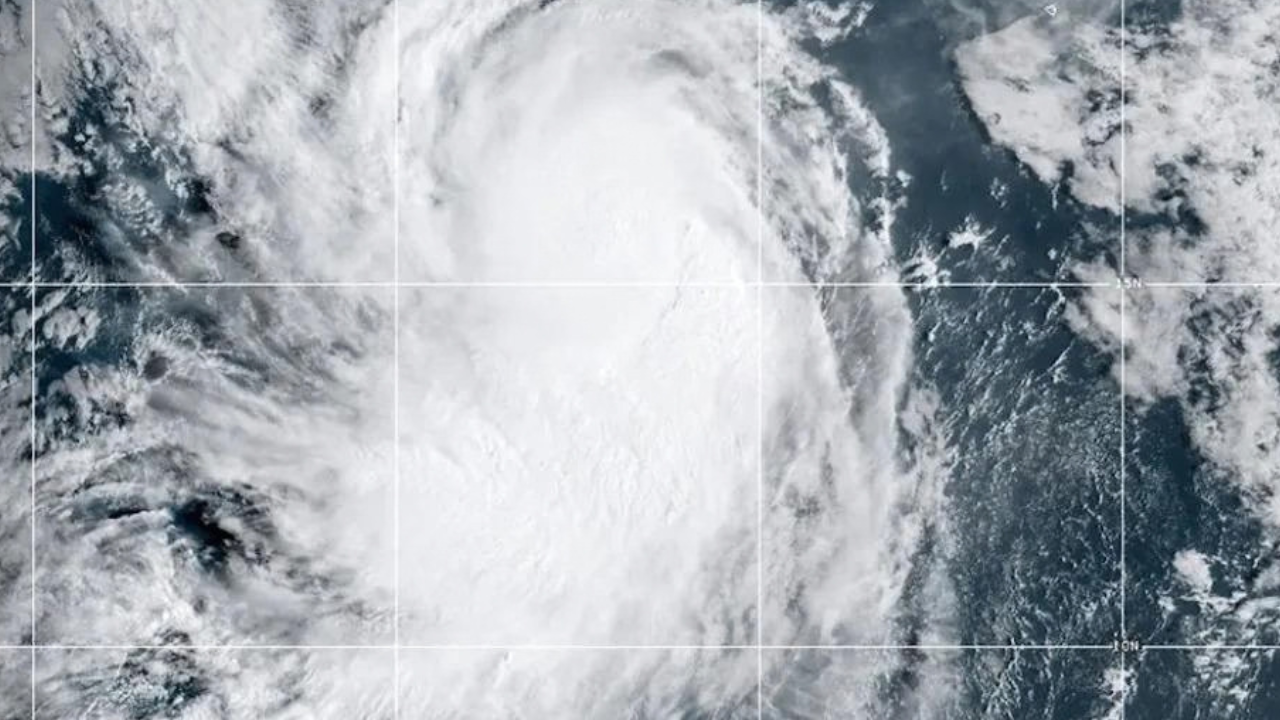
Every single hurricane season follows the exact same script. Meteorologists pull on their embroidered windbreakers, cable networks cue the dramatic orchestral swell, and headlines shriek about apocalyptic destruction. When Tropical Storm Isaias threatened the coastline, the media machine immediately cranked the dial to eleven. Expect life threatening impacts. Catastrophic surge. Prepare for the worst.
It is high drama designed for maximum ratings. It is also a masterclass in institutional panic that obscures the actual mechanics of disaster management.
Let us look past the red banners and the flashing graphics. Thelazy consensus in modern meteorology and emergency reporting assumes that absolute terror drives effective preparation. Scaring the public into evacuation is treated as a noble end that justifies any means. But when you cry wolf with Category Five rhetoric over a disorganized system that rapidly degrades over land, you break the apparatus. You exhaust citizens with false alarms, drain municipal budgets on redundant mobilizations, and erode trust in the very agencies tasked with keeping people safe.
I have watched local governments blow millions of dollars on mandatory coastal evacuations for storms that ultimately dropped nothing more than a stubborn afternoon drizzle. That money does not materialize out of thin air. It comes straight from public coffers, diverted from infrastructure upgrades, drainage improvements, and long-term resilience projects that actually protect communities when the water rises.
The Flawed Physics of Media Panic
To understand why our storm response is broken, you have to look at how severe weather is communicated. The National Hurricane Center and private forecasting outlets operate under an asymmetric risk model. If a meteorologist downplays a storm and it strengthens unexpectedly, they face professional ruin and public outrage. If they hype a weak system into a monster and nothing happens, the public shrugs, forgets by Tuesday, and tunes back in for the next scare.
There is zero institutional penalty for crying wolf.
This asymmetry creates a toxic feedback loop. Tropical Storm Isaias was a textbook case. While forecasters fixated on theoretical intensification vectors over warm Gulf waters, the actual structural integrity of the system was compromised by dry air intrusion and vertical wind shear. Yet the public warnings remained locked in maximum overdrive.
When you tell a coastal resident that every single tropical storm packing a tropical-force gale is an extinction-level event, you remove their ability to calibrate actual danger. A category one hurricane, a tropical storm, and a major multi-state hurricane system are entirely different physical phenomena. Treating them with the same apocalyptic vocabulary does not save lives. It breeds fatalism. People stop listening. When the real storm hits decades down the line, half the street ignores the evacuation order because the boy has cried wolf five times too often.
The Economics of Over-Preparation
Emergency management is treated as a moral crusade, but it is fundamentally a resource allocation problem. Every time a municipality calls a state of emergency for a fizzling storm, a predictable economic tax is levied against the local population.
Let us break down what an unnecessary hurricane mobilization actually costs a mid-sized coastal county:
- Business Interruption: Mandatory or heavily pressured business closures shut down economic output for days, costing hourly workers wages they cannot recover and small businesses margins they cannot afford to lose.
- Logistical Waste: Fleets of emergency vehicles, public transit buses, and contractor buses are mobilized, fueled, and staged. Millions in taxpayer funds vanish into standby pay and fuel consumption for assets that never deploy.
- Consumer Panic Hoarding: Shelves are stripped of bottled water, non-perishable food, and generators, creating artificial scarcity that prices low-income families out of basic emergency preparedness goods.
Emergency preparedness has become an insurance policy where the deductible is paid entirely by the working class in lost wages and wasted provisions, while the insurance companies and media syndicates collect the dividends of higher viewer engagement.
We are treating acute meteorological events as chronic societal collapses. That is a strategic error. A tropical storm is a temporary atmospheric disturbance, not a permanent shift in planetary habitability. Treating it like an existential threat prevents us from investing in the boring, unsexy engineering solutions that actually matter.
What Real Resilience Looks Like
If we want to stop throwing money at theatrical evacuations, we need to completely overhaul how we measure storm risk. We have to pivot away from peak-wind hysteria and focus entirely on water management and structural hardening.
Wind is loud, cinematic, and photogenic. It tears shingles off roofs and snaps pine trees in half. But water is what kills people. Over ninety percent of tropical cyclone fatalities are caused by water—specifically storm surge and inland freshwater flooding from prolonged rainfall.
Yet our media coverage and municipal emergency triggers remain hopelessly skewed toward wind speed categories. A slow-moving tropical storm dropping thirty inches of rain on an inland basin is infinitely more dangerous than a fast-moving Category Three hurricane that blows through in four hours without dropping much moisture.
Here is what smart coastal municipalities are doing differently, far away from the television cameras:
- Zoning Out of Harm's Way: Halting new construction in low-lying floodplains and returning vulnerable wetlands to their natural state as sponge buffers.
- Distributed Power Grids: Moving away from fragile, centralized overhead power lines toward underground cabling and localized microgrids that do not collapse every time a branch drops.
- Targeted Messaging: Abandoning broad-brush panic in favor of hyper-local, street-level flood modeling that tells residents precisely which block will take six inches of water versus which block is safe to stay put.
The obsession with naming, tracking, and dramatizing every atmospheric ripple in the Atlantic basin is a distraction from the structural work we refuse to fund.
Stop waiting for the government to save you with a megaphone and a mandatory evacuation order. Stop panic-buying generators you will use twice a decade while your roof leaks during a standard Tuesday thunderstorm.
The next time a tropical storm forms off the coast and the pundits start hyperventilating about life-threatening impacts, check the wind shear, look at the moisture profiles, and remember that fear sells advertising. Real preparedness is quiet, expensive, and utterly devoid of drama.