The international diplomatic corps is addicted to the "settlement" narrative. Every few months, another round of sterile talks in Vienna or Tiraspol ends with the same headline: "No Progress Made." The pundits wring their hands, the OSCE issues a dry press release about confidence-building measures, and everyone laments the tragedy of a "frozen conflict" on Europe's edge.
They are all looking at the problem upside down. Recently making headlines in this space: The Malema Sentencing Proves Firearms Laws Are Just Political Theater.
The lack of a formal political settlement between Chisinau and Tiraspol isn't a failure of diplomacy. It is a masterpiece of pragmatic survival. While the West waits for a grand reunification ceremony that will never happen, the actors on the ground have built a functional, gray-market ecosystem that provides more stability than a forced "solution" ever could. The "lack of progress" isn't the bug; it’s the feature.
The Myth of the Sovereign Solution
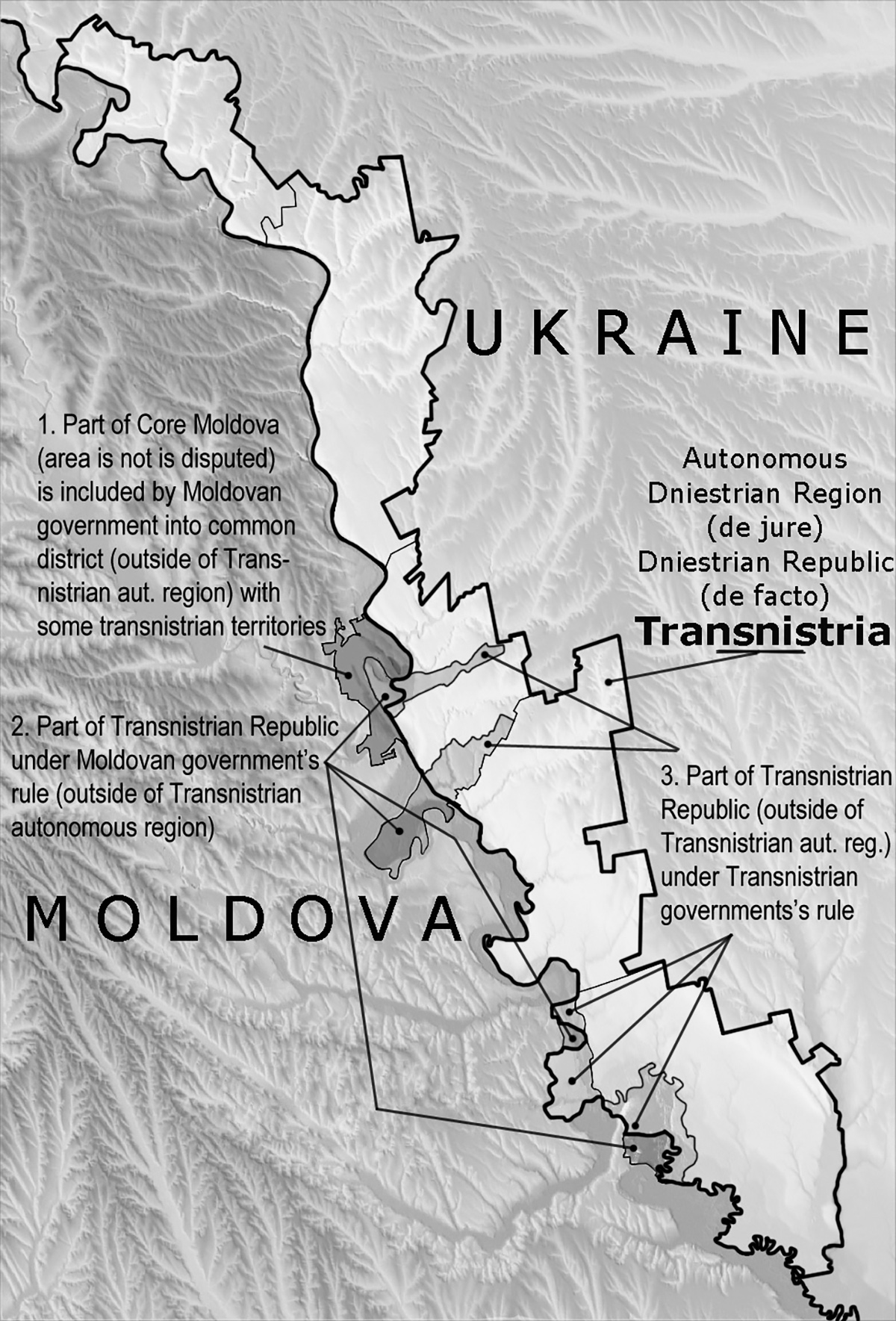
Western observers operate under the delusion that every separatist enclave is a wound that needs to be stitched shut. They assume that because Transdniestria—a sliver of land between the Dniester River and Ukraine—isn't "legal," it must be broken. Additional details regarding the matter are covered by BBC News.
It isn't.
Transdniestria is a highly efficient business entity masquerading as a Soviet-era relic. From the massive Sheriff conglomerate to the heavy industry in Rîbnița, the region functions as a vital pressure valve for the Moldovan economy. If you "solved" the conflict tomorrow by forcing a standard reintegration, you would collapse the intricate web of energy subsidies and trade loopholes that keep both sides afloat.
Consider the electricity situation. Moldova depends on the Cuciurgan power plant, located in Transdniestria, which runs on Russian gas that nobody—technically—pays for. Chisinau gets cheap power; Tiraspol gets a budget funded by the gas payments they collect from their citizens but never pass back to Gazprom. It is a carousel of debt and convenience. A political settlement would force an accounting of these billions in gas debt. Neither side wants that audit.
Stability Through Ambiguity
The "5+2" talks failed because they were designed to achieve a result that would destroy the status quo. In geopolitics, we are taught that "frozen" means dangerous. But look at the alternatives. In the last decade, we’ve seen "active" solutions in Nagorno-Karabakh and Eastern Ukraine. Those weren't settlements; they were slaughters.
By failing to reach a formal agreement, Moldova and Transdniestria have inadvertently created a zone of managed unpredictability. This ambiguity allows for:
- Economic Bipolarity: Transdniestrian firms like Tirotex export to the EU under Moldovan customs stamps while maintaining a Russian security umbrella. They get the benefits of the Deep and Comprehensive Free Trade Area (DCFTA) without the regulatory headaches of a fully compliant state.
- Strategic Patience: Moldova is currently pivoting hard toward the EU. A formal reintegration today would bring 470,000 largely pro-Russian voters into the Moldovan electoral fold, likely tanking the pro-European government’s chances in the next cycle. Chisinau’s leadership knows this. They talk about "settlement" for the cameras, but they pray for the stalemate in private.
- Security Buffer: Despite the presence of the Cobasna ammo depot and 1,500 Russian "peacekeepers," Transdniestria has remained remarkably quiet during the largest land war in Europe since 1945. Why? Because the local elites in Tiraspol are businessmen, not ideologues. They have too much money tied up in Western European bank accounts to risk becoming a Russian launchpad.
The Integration Lie
People often ask: "But what about the human rights and the border checks?"
The reality on the ground is far more fluid than the checkpoints suggest. Thousands of people cross the Dniester daily. They work on one side and live on the other. They hold two, three, or even four passports—Moldovan, Russian, Romanian, and the unrecognized Transdniestrian "travel document."
This isn't a population yearning for a "settlement" that imposes one identity over another. It is a population that has mastered the art of living in the gaps between sovereignties. The obsession with "territorial integrity" is a 20th-century obsession being forced onto a 21st-century survival strategy.
I’ve spent years analyzing these corridors of power. The mistake outsiders make is believing the official statements. When a Moldovan official says they want to "reintegrate the left bank," they are signaling to Brussels to keep the accession funds flowing. When Tiraspol says they want "independence," they are signaling to Moscow to keep the gas flowing. Neither side is lying; they are just playing their roles in a theater production that pays the bills.
Stop Solving, Start Managing
If you want to actually improve life in the region, stop trying to redraw the map. The map is fine. The borders are porous enough for commerce but rigid enough to prevent total political contagion.
Instead of a "Final Settlement," the focus should be on technical harmonization.
- Stop talking about "status" and start talking about banking interconnections.
- Forget about "sovereignty" and focus on common veterinary and phytosanitary standards so Tiraspol’s cognac can hit the shelves in Berlin without a bribe.
- Abandon the 5+2 format—it’s a zombie. Focus on the 1+1 (Chisinau and Tiraspol) because they are the only ones with skin in the game.
The downside to this contrarian view is obvious: it leaves a "gray zone" on the map of Europe. It offends the sensibilities of international lawyers. It keeps a Russian military presence in a sovereign state. But the alternative—a forced unification—would require a level of political, economic, and social surgery that Moldova is not equipped to survive.
The Brutal Truth of the Status Quo
The current "lack of progress" is the most stable geopolitical arrangement in the Black Sea basin. It is a low-intensity, high-profit stalemate that has prevented a hot war for over 30 years.
In a world of collapsing orders and burning borders, a "frozen conflict" where people can still buy a coffee on either side of the river without being shelled is a massive success. The diplomats aren't failing; they are successfully failing.
If you want to see what a "resolved" conflict looks like in this neighborhood, look at the ruins of Mariupol. If you want to see what a "failed" peace process looks like, look at the trenches in the Donbas.
The silence in the Nistru valley isn't the sound of a dead process. It’s the sound of people being smart enough to leave well enough alone.
Quit complaining about the lack of a deal. The "no-deal" is the best deal Moldova ever got.
Stay frozen. It’s safer.