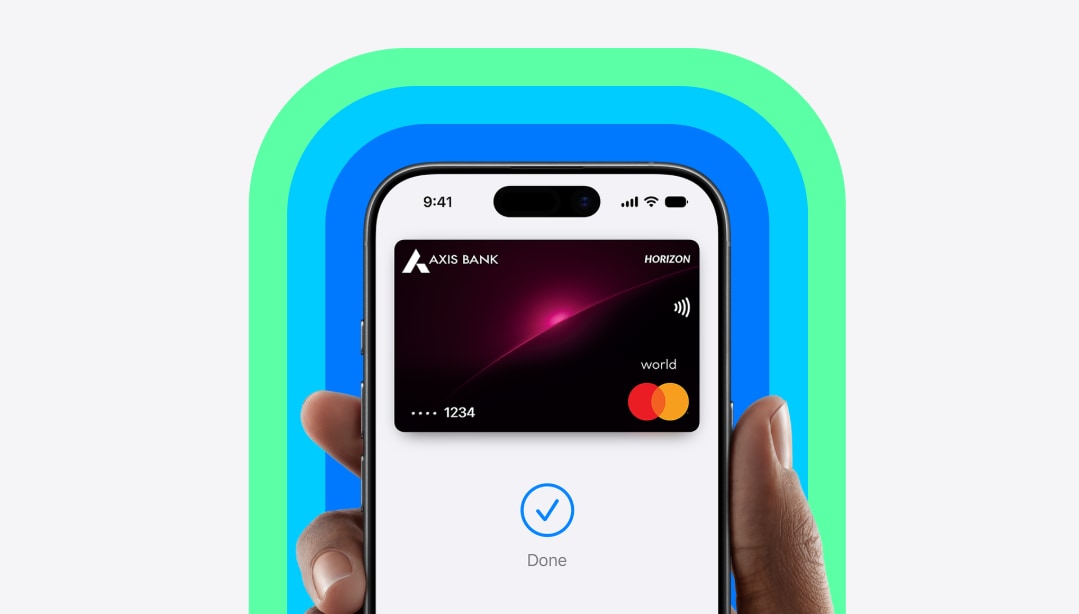
Every pundit in the tech press is currently running the exact same lazy script. They look at Apple Pay landing in India through an exclusive partnership with Axis Bank, survey a landscape littered with millions of UPI QR codes, and declare that Tim Cook is tilting at windmills. They tell you that because a roadside chai stall owner does not care about double-clicking an iPhone side button, the whole endeavor is a dead-on-arrival luxury play.
They are missing the plot entirely.
Apple Pay did not arrive in India to fight a turf war over zero-rupee instant transfers at a vegetable cart. If you think Cupertino built this integration to capture high-frequency, low-value retail volume away from Google Pay or PhonePe, you do not understand how premium ecosystems monetize scale.
The False Equivalence of UPI Volume
Let us start with the lazy consensus argument. The standard line goes like this: UPI handles billions of transactions a month, powered by ubiquitous QR codes plastered across every street corner from Mumbai to Madurai. Therefore, a card-based NFC system requiring specialized hardware terminals cannot possibly compete.
This comparison is structurally flawed. It pits an infrastructure designed for universal cash replacement against a closed-loop credit experience.
UPI is a public utility rails system. It wins on ubiquity because moving money bank-to-bank costs fractions of a cent and requires nothing more than a camera reading black-and-white pixels. But ubiquity does not equal high-margin monetization. Ask any fintech executive operating in India about unit economics on micro-UPI transactions, and they will tell you about the crushing weight of zero-fee processing structures.
Apple does not care about winning the volume game at the neighborhood kirana store. The addressable audience at launch—users holding compatible Apple devices coupled with eligible credit lines from participating issuers like Axis Bank—is an intentional sub-segment of the population. This is not a mass-market play. It is a velvet-rope enclosure designed for high-net-worth spenders who already treat their devices as luxury lifestyle statements.
The Margin Trap and the Credit Reality
To understand why Apple Pay makes commercial sense right now, look at how Indians actually buy high-end hardware. Counterpoint Research data shows that financing and EMIs drive a massive chunk of smartphone purchases in Tier-II markets and beyond. Apple devices occupy the upper tier of that pyramid, with buyers leaning heavily into extended credit tenure to clear the entry barrier.
When Apple Pay ties into selective credit portfolios at launch, it anchors the hardware ecosystem directly to revolving credit lines. Premium cardholders do not want to fiddle with scanning a QR code and punching in a UPI PIN for a ₹15,000 hotel tab or an upscale dining bill. They want friction-free tokenized security, instant biometric authentication via Face ID, and automatic accumulation of reward points.
By bypassing the UPI rails for its initial domestic rollout, Apple avoids the political and regulatory headache of negotiating zero-fee structures with the National Payments Corporation of India while securing a direct line to the wallets of India’s heaviest spenders.
Where the Competitors Get Acceptance Wrong
Critics love to point out the vast numerical gulf between physical Point of Sale terminals and UPI QR stickers. They cite Worldline data showing millions of QR codes against a fraction of active card acceptance machines.
This argument assumes that card infrastructure is static. In reality, organized retail, modern hospitality, aviation, e-commerce checkouts, and premium lifestyle brands have built out robust NFC-enabled terminal networks specifically to capture high-ticket tourist and domestic corporate spending.
Imagine a scenario where a wealthy urban professional walks into a high-end boutique in Bandra. They are already carrying an iPhone 18 Pro. Handing over physical plastic or opening a banking app feels archaic. Double-clicking the side button to authenticate an encrypted token via secure element hardware is the exact high-end UX loop Cupertino sells globally.
The terminal gap only matters if your target market is buying loose tomatoes. If your target market is booking international flights, buying designer apparel, or paying for luxury subscriptions, the NFC infrastructure is already there, fully operational, and waiting.
The Cross-Border Gateway Blueprint
Look at how payment aggregators like Razorpay pre-positioned themselves for this exact moment. Before domestic card support even went live, cross-border Apple Pay was already processing international transactions for Indian merchants selling abroad. Early pilot data from those integrations revealed massive conversion rate lifts, faster checkouts, and higher average order values.
Indian merchants operating digital-first businesses do not care whether a payment originates from a domestic bank app or an Apple Wallet token, provided the transaction success rate clears 95 percent. By introducing domestic card compatibility, Apple is simply bridging the gap between its domestic user base and the high-margin digital storefronts that already rely on optimized checkout flows.
Stop Asking the Wrong Question
The financial press keeps asking: "How will Apple Pay dismantle UPI?"
That is the wrong question. It betrays a fundamental misunderstanding of platform economics. Apple is not trying to kill UPI any more than a luxury car brand is trying to replace city buses.
Apple Pay in India is a loyalty lock-in mechanism. It enhances the lifetime value of every single ecosystem participant who values speed, privacy, and premium security over universal peer-to-peer transfers. When your hardware margins are protected by an elite user base willing to pay top dollar for devices, you do not need to win the volume war. You just need to own the transactions that actually matter.