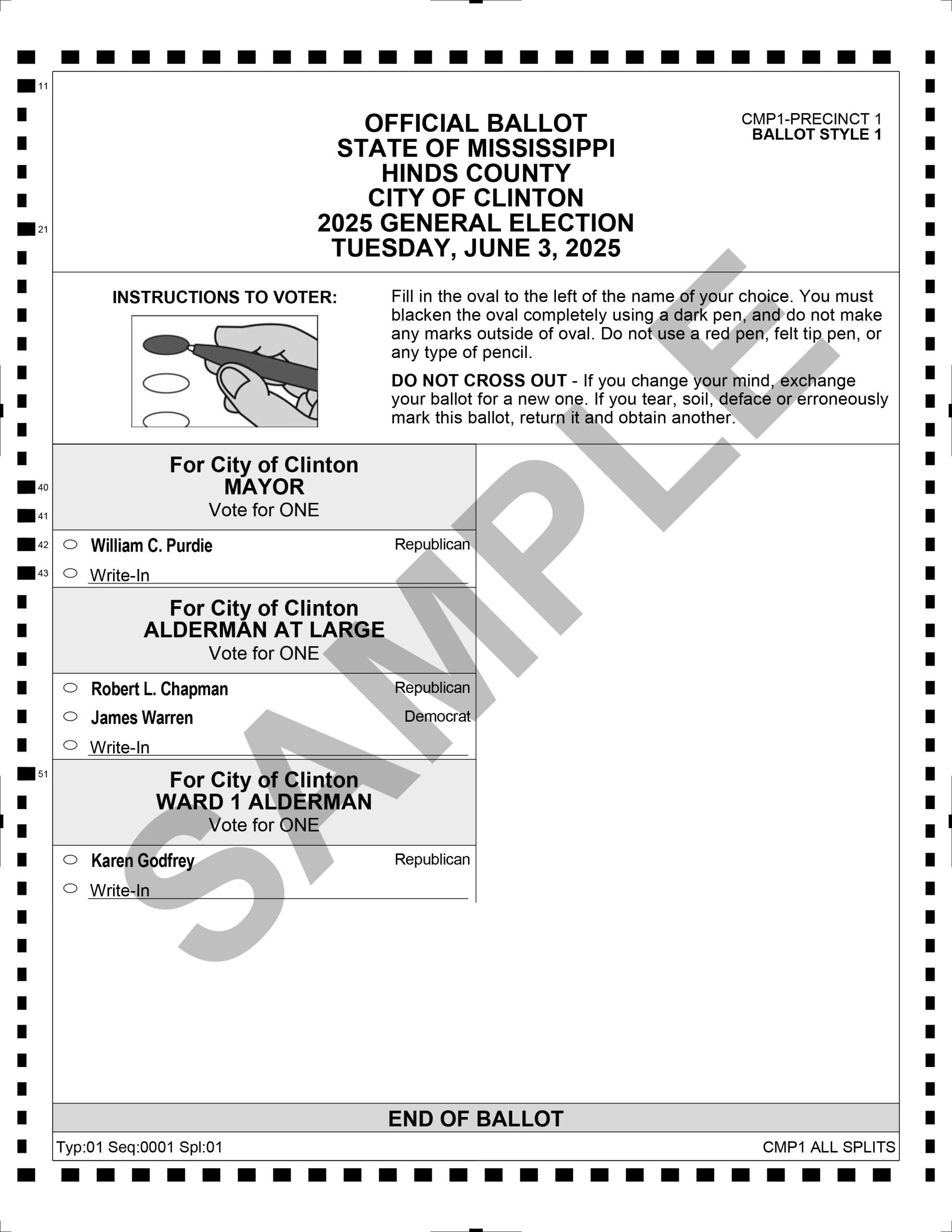
Political pundits love a shiny object. Every two years, the beltway media class dusts off the exact same playbook, points a laser pointer at a handful of high-profile statewide ballot initiatives, and tells you these specific measures will decide the soul of the nation. They treat direct democracy like a glorified sports ticker. You saw the breathless coverage leading into November 2026—wall-to-wall segments obsessing over abortion codification, minimum wage hikes, and recreational marijuana expansion as if these initiatives exist in a vacuum.
They got the entire premise wrong.
Watching ballot measures simply to see which side "wins" on election night is an amateur's game. If you actually work in campaign strategy, public policy, or municipal finance, you know the truth: the headline result on the ballot is rarely the real story. The real power of a ballot measure isn't the law it passes—it is the structural machinery it hijacks, the turnout models it warps, and the legislative gridlock it permanently hardwires into state constitutions.
The Turnout Mirage That Burns Campaign Cash
Consultants love selling donors on the "ballot measure turnout bump." The theory sounds seductive on paper. Put a polarizing social issue or a pocketbook economic question on the ballot, and suddenly thousands of low-propensity voters will crawl off their couches, fill in the bubble for the measure, and dutifully vote straight-ticket for your candidate at the top of the ticket.
I have watched political action committees light tens of millions of dollars on fire chasing this exact phantom.
Here is what actually happens when you rely on a ballot initiative to rescue a weak candidate. First, you spend millions just to qualify the measure for the ballot—paying signature-gathering firms rates that routinely climb past ten or fifteen dollars per valid signature in high-demand cycles. Then, you blow another fortune on educational advertising so voters don't get confused by deliberately convoluted ballot language drafted by hostile attorneys general.
By the time November rolls around, you haven't expanded the electorate; you have simply subsidized the opposition's get-out-the-vote operation. High-salience ballot measures don't just wake up your base. They terrify the other side's base into showing up, too. Even worse, ticket-splitting on ballot measures is wildly common. Millions of American voters happily vote for progressive economic policies—like raising the minimum wage or expanding Medicaid—while simultaneously pulling the lever for conservative candidates who openly oppose those exact policies.
If your strategy for understanding the 2026 midterms relies on correlating ballot measure success with partisan wave elections, your model is broken. Voters treat ballot initiatives like an a la carte menu, not a ideological loyalty test.
Direct Democracy Is Quietly Killing Representative Governance
The mainstream coverage of 2026 ballot measures frames them as a noble triumph of the people bypassing stubborn politicians. That romanticized view ignores the slow-motion fiscal trainwreck happening in states with low thresholds for constitutional amendments.
Let's define the mechanics properly. In many states, a simple majority of voters can amend the state constitution via a citizen-initiated measure. Unlike normal statutes, which a legislature can tweak when economic realities shift, constitutional amendments are carved in granite.
Consider what happens when voters pass a constitutional mandate requiring massive new spending on education or infrastructure, while simultaneously passing a separate constitutional cap on property or income taxes. This isn't a hypothetical nightmare; it is the exact fiscal straightjacket that has crippled state budgeting from California to Colorado for decades. You end up with "ballot-box budgeting"—a system where elected officials control less than twenty percent of the state's general fund because the rest is locked up by decades-old voter mandates.
When you cheer for every popular-sounding initiative on the 2026 ballot, you aren't cheering for democracy. You are cheering for the permanent erosion of legislative accountability. Politicians love this dynamic, by the way. Whenever a tough, unpopular decision needs to be made—whether it is raising revenue or reforming entitlements—cowardly lawmakers simply punt the issue to the ballot. If it passes, they take credit; if it fails, they blame the voters. Nobody governs, everybody campaigns, and the state's balance sheet bleeds out.
The Real Battleground: Counter-Measures and Supermajority Traps
If you want to understand where the real political warfare happened in 2026, stop looking at the headline policy questions and start looking at the procedural meta-game.
Smart political operatives realized years ago that fighting a popular ballot measure head-on is a losing proposition. If polling shows seventy percent of the public wants a specific reform, running negative ads against it just burns cash. So, the sharp strategists stopped fighting the policies and started attacking the rules of the game itself.
Look at the surge of legislatively referred measures designed to make future citizen initiatives nearly impossible to pass. Raising the passage threshold from a simple majority to sixty percent. Requiring signatures from every single congressional district in the state rather than just raw population totals. Restricting out-of-state funding for signature drives while allowing unlimited dark money to defend the status quo.
This is the true insider battleground. When a legislature puts a procedural hurdle on the ballot, they wrap it in benign, bureaucratic phrasing—claiming it protects the state constitution from "special interests." Voters, exhausted by a twelve-page ballot, skim the summary and vote yes without realizing they just surrendered their own check on legislative power.
Another favorite tactic is the "competing measure" strategy. When grassroots organizers qualify a reform that threatens an entrenched industry—say, utility monopolies, insurance giants, or gambling syndicates—those industries don't just fund an opposition campaign. They bankroll a rival ballot measure that sounds almost identical to the original, loaded with hidden loopholes that gut enforcement. Confusion becomes the weapon. When voters face two competing measures on the exact same topic, they frequently get frustrated and vote no on both.
Why "People Also Ask" Questions Miss the Point
If you search for information on midterm ballot measures, you run into the same recycled questions every cycle. Let's dismantle the flawed premises behind the most common ones.
Do ballot measures actually increase overall voter turnout?
Usually, no. In a high-profile midterm or presidential year, the ceiling of engaged voters is already largely baked in by top-of-the-ticket races for Senate, Governor, and the House. A hot-button ballot measure might squeeze an extra one or two percentage points out of the electorate in a sleepy off-year election, but in a competitive midterm, its marginal impact on raw turnout is largely statistical noise. The real effect isn't on who shows up, but on how much money gets sucked out of candidate campaigns and diverted into issue committees.
Are ballot initiatives a fair reflection of what the public wants?
Only if you believe public opinion should be dictated by whoever has the deepest pockets to survive the signature-gathering gauntlet. Qualifying a statewide initiative in a major state is no longer a grassroots exercise with clipboards at the local grocery store. It is a multi-million-dollar industrial logistics operation. If an issue doesn't have a billionaire benefactor, a massive labor union, or a corporate trade association willing to write a seven-figure check just to get on the ballot, the public never gets a vote on it. Direct democracy has been thoroughly institutionalized by the exact special interests it was invented to bypass.
What happens after a ballot measure passes?
The real fight begins the morning after Election Day. Winning at the ballot box only buys you the right to fight in court and in the legislature. Hostile lawmakers routinely delay implementation, starve the new program of administrative funding, or pass "clarifying" legislation that hollows out the law's teeth. Meanwhile, industry trade groups file immediate injunctions in friendly federal or state courts, tying the measure up in litigation for years. A victory in November is merely a preliminary round.
The Uncomfortable Downsides of Abandoning the Ballot Box
Now, let's be intellectually honest. If citizen-initiated ballot measures are expensive, easily manipulated by corporate money, and terrible for long-term fiscal planning, why not abolish them altogether?
Because the alternative is worse.
When state legislatures become completely insulated from competition through aggressive gerrymandering and entrenched partisan primaries, representative democracy stops functioning. In states where one party holds a permanent supermajority, lawmakers stop listening to the median voter entirely. They cater exclusively to the ideological extremes that control their primary elections.
In those environments, the citizen ballot initiative—flawed, messy, and expensive as it is—remains the only emergency brake the public has left. Without it, a captured legislature can ignore overwhelming public consensus on basic issues like redistricting reform, ethics oversight, or healthcare access indefinitely. My critique isn't that direct democracy shouldn't exist; it is that treating it as a primary governing mechanism rather than a last-resort pressure valve destroys the health of a state's political ecosystem.
How to Actually Read a Ballot Measure Like an Insider
If you want to stop falling for media spin and campaign propaganda the next time you stare at a dense, jargon-heavy ballot, throw away the voter guides funded by political committees and apply a ruthless diagnostic filter.
- Follow the signature money, not the TV ads. Before looking at who is endorsing a measure, look at who paid the signature-gathering firms to put it on the ballot. Ideological endorsements are cheap; operational funding tells you who actually expects a return on investment if the law passes.
- Check the vehicle: statute or constitutional amendment? If a measure amends the state constitution to solve a routine policy problem—like setting specific tax rates, regulating a single industry, or mandating specific budget allocations—be deeply skeptical. Policy belongs in statutes where it can be fixed when unintended consequences inevitably emerge.
- Look for the "self-executing" clause. Read the fine print to see if the measure takes effect automatically or requires the legislature to pass enabling legislation. If it requires legislative action, a hostile legislature can kill it simply by sitting on their hands.
- Identify the poison pills. Watch for provisions buried in the final paragraphs that alter how future laws are passed, strip judicial review, or grant permanent legal immunity to specific entities.
- Analyze the fiscal note with extreme cynicism. State budget offices are required to estimate the financial impact of ballot measures, and campaigns routinely game these numbers. If a measure promises massive new benefits with "no new taxes," look for the hidden mechanism—usually an unfunded mandate pushed onto local counties and school districts, which will inevitably force your local property taxes up anyway.
Stop watching election night coverage to see which colored map lights up on a screen. By the time the votes are counted, the lobbyists have already drafted the lawsuits, the legislature has already planned the workaround, and the consultants have already moved on to the next cycle's fundraising pitch. Read the fine print before you vote, or accept that you are just rubber-stamping someone else's balance sheet.