Every six months, the mainstream foreign policy commentariat pulls out the exact same dusty playbook. A missile test happens in the Persian Gulf, a tanker gets jostled near the Omani coast, and the headlines practically scream from the rooftops that global energy markets are five minutes away from complete annihilation. The lazy consensus is uniform, unimaginative, and entirely wrong. Tehran sends out a carefully calibrated message about being ready for total war while keeping the diplomatic backchannel wide open, and the pundit class treats this stale theater as an existential threat to modern civilization.
Stop buying the panic.
I have watched risk desks in London and New York sweat over the Strait of Hormuz for decades, pricing in risk premiums that belong in a sci-fi novel rather than a rational pricing model. The conventional wisdom states that Iran holds a permanent dagger to the global economy because a third of all petroleum traded by sea passes through a narrow eighteen-mile sliver of water. The math underpinning this fear is outdated, lazy, and ignores how physical markets actually adapt when prices spike.
Let us look at the structural reality of energy logistics. If you think Tehran wants to choke off the one artery that funds its entire state apparatus, you fundamentally misunderstand how authoritarian budgets survive. Closing Hormuz is not a strategic masterstroke; it is fiscal suicide.
The Anatomy Of A Paper Tiger
The core misconception starts with the physical geography. Commentators treat the Strait of Hormuz like a toll booth on a single-lane highway. It is not. It is an expanse of water split into inbound and outbound shipping lanes, each two miles wide, separated by a two-mile buffer zone.
When analysts claim that a few coastal anti-ship batteries or small fast-attack craft can permanently shut down this maritime highway, they are projecting Hollywood fiction onto naval logistics. A sustained military closure requires maintaining sea denial against the combined capability of regional patrols, advanced mine countermeasures, and carrier strike groups. Iran can certainly harass traffic, sow chaos, and send insurance rates skyrocketing. That is asymmetric warfare 101. But harassment is not a blockade. A blockade is an enduring military posture. Within seventy-two hours of any serious attempt to lock down the strait, the infrastructure enabling those coastal batteries ceases to function.
Tehran knows this better than anyone. That is why their doctrine relies on calibrated escalation, not total disruption. They dance right up to the edge of the precipice because they know the financial rewards of high crude prices outweigh the catastrophic downside of actual maritime strangulation.
The Redundancy Trap Everyone Ignores
Markets hate uncertainty, but they love arbitrage. The moment a geopolitical shock threatens a chokepoint, secondary supply routes activate.
Consider the infrastructure bypasses built specifically to neuter the strategic leverage of the Persian Gulf. The East-West Pipeline in Saudi Arabia and the Habshan-Fujairah oil pipeline in the United Arab Emirates bypass the strait entirely, pumping millions of barrels of crude directly to Red Sea and Gulf of Oman export terminals. During past flare-ups, these alternative pathways absorbed the strain far quicker than the pessimists predicted.
Furthermore, the shale revolution fundamentally altered the baseline vulnerability of the industrialized world. North American production acts as a massive global cushion that did not exist during the oil shocks of the nineteen-seventies. When Persian Gulf risk premiums climb, domestic output adjusts with lightning speed. The global energy matrix is no longer a fragile, single-source engine; it is a decentralized, shock-absorbing network.
[ Persian Gulf Export ] ---> [ Strait of Hormuz Chokepoint ] ---> ( High Vulnerability Narrative )
                                      |
                                      +---> [ Bypass Pipelines: East-West / Habshan-Fujairah ] ---> ( Market Adaptation )
Yet, the media continues to run the same tired narrative about twenty-dollar gas and plunging global GDP every time a minor diplomatic spat bubbles up in Tehran. Why? Because fear sells clicks, and institutional desk traders use the noise to justify defensive hedging.
The Real Game Being Played
To understand what is actually happening, you have to separate public posturing from operational reality.
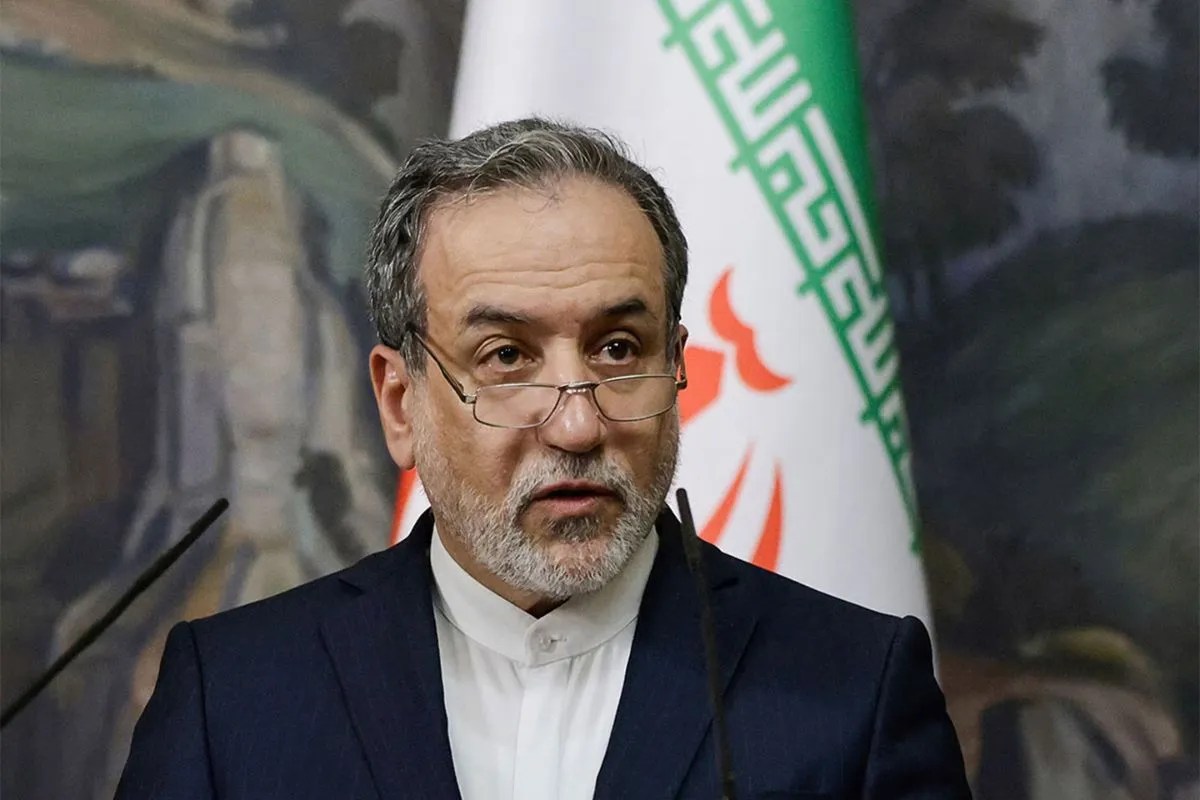
When senior officials in Tehran issue conflicting statements—simultaneously brandishing readiness for conflict while pointing to open diplomatic doors—they are executing a classic leverage strategy. They are managing domestic hardliners who demand defiance while signaling to regional neighbors that trade can continue if the price is right. It is a domestic political balancing act masquerading as grand strategy.
The Western press takes these soundbites at face value because nuance does not fit neatly into a breaking news banner. We treat every rhetorical posture as a prelude to Armageddon. I have seen countless junior analysts panic over statements that seasoned diplomats dismiss as standard regional posturing.
The honest truth about Iran's strategic position is grimmer than the panic merchants admit, but for entirely different reasons. They are constrained by internal economic decay, severe currency depreciation, and deep-seated structural vulnerabilities. Their leverage is entirely psychological. The moment the world calls their bluff and treats their threats as routine diplomatic background noise, their primary weapon—fear—evaporates.
How To Trade The Noise
If you are running risk management for a global supply chain or positioning capital in energy markets, stop reacting to the headlines. Treat Strait of Hormuz anxiety as a seasonal weather pattern.
When the media cycle hits peak hysteria, look for the disconnect between the rhetoric and physical vessel tracking data. Nine times out of ten, tankers are still moving, insurance underwriters are adjusting premiums rather than canceling coverage, and local ports are operating with business-as-usual efficiency.
The danger is never the loud threat; it is the quiet, unannounced shift in posture. Until the underlying naval architecture changes drastically, the Hormuz crisis is nothing more than expensive theater designed to move markets and soothe domestic egos.
Ignore the noise. Look at the balance sheets, watch the pipeline flows, and stop paying a fear tax on a threat that cannot sustain itself.