/200199910-001-58b9cf5c5f9b58af5ca83533.jpg)
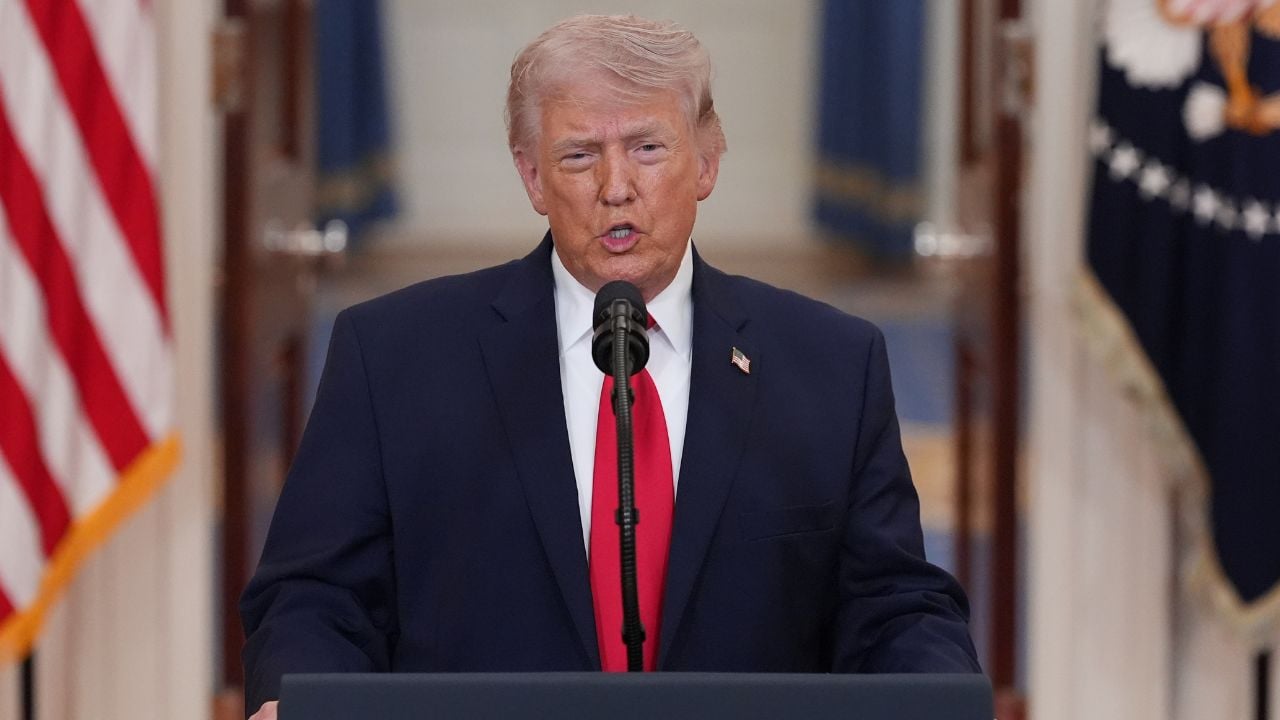
Oil markets don't like surprises. On Monday morning, they got a massive one. After a weekend of failed peace talks in Islamabad, Donald Trump didn't just walk away from the table—he flipped it. By ordering a naval blockade of the Strait of Hormuz, he's shifted from trying to coax the waterway open to actively deciding who gets to use it. If you're looking at your gas receipt or your portfolio today, this is why the numbers are screaming.
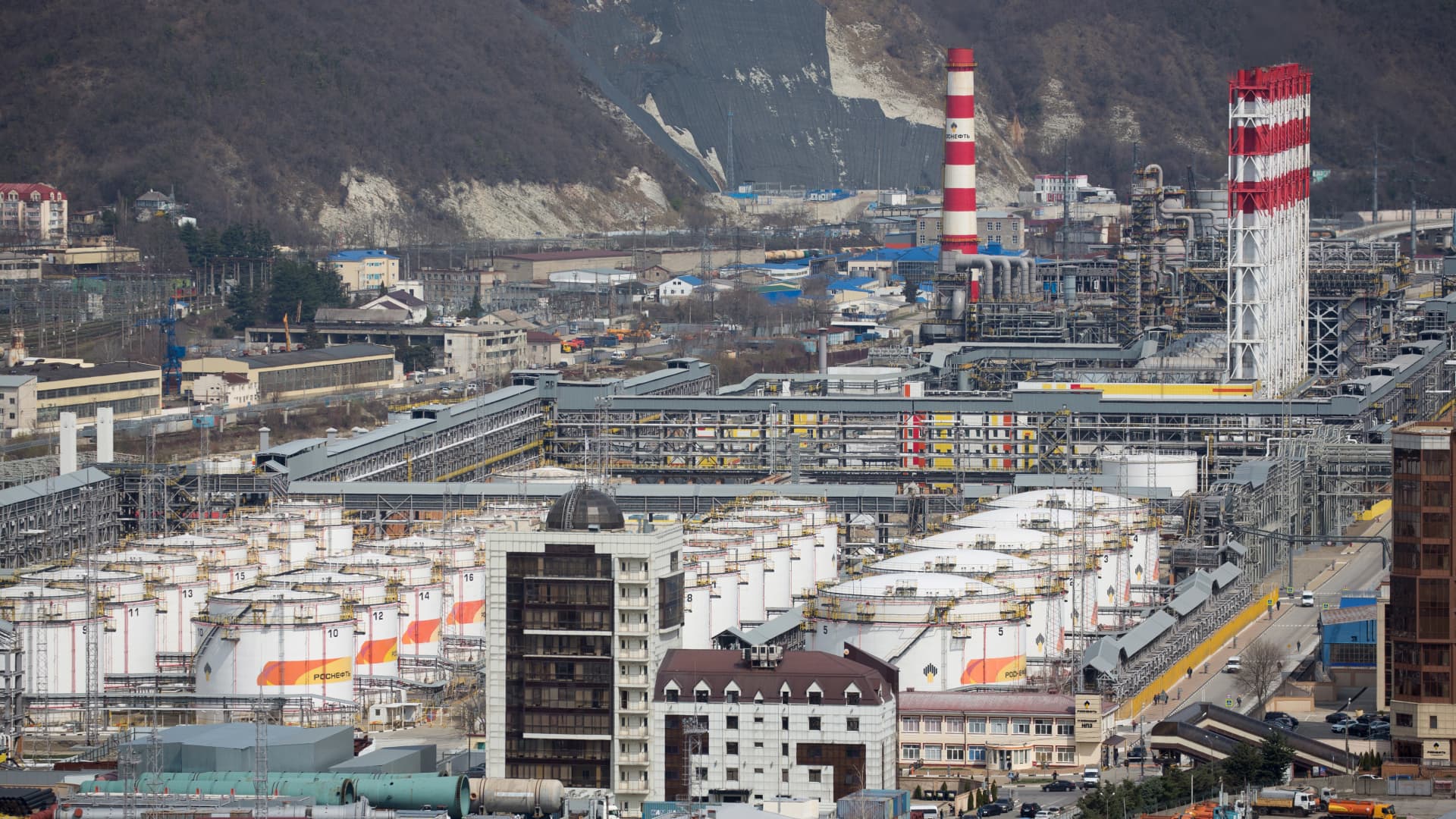
The immediate result? Brent crude shot past $100 a barrel. WTI followed suit, jumping over 8% in early trading. It’s a violent reaction to a policy shift that basically turns the world's most critical oil chokepoint into a private toll booth run by the U.S. Navy. For a different perspective, consider: this related article.
Why the Islamabad Talks Fell Apart
We were told a ceasefire was the goal. For two weeks, there was a glimmer of hope that the war between the U.S., Israel, and Iran might cool down. But the reality in Pakistan was different. Trump’s team, led by Vice President JD Vance, went in with "red lines" that Tehran was never going to swallow. We're talking about the total dismantling of enrichment facilities and the physical retrieval of highly enriched uranium.
Iran’s negotiators, headed by Mohammad Bagher Qalibaf, called it U.S. overreach. They weren't wrong from their perspective. When you ask a country to delete its nuclear program and stop funding its entire regional proxy network in one weekend, you aren't negotiating; you're demanding a surrender. When that surrender didn't happen by Sunday, Trump took to Truth Social to announce the blockade. Further analysis regarding this has been shared by MarketWatch.
The Blockade is a Different Kind of Weapon
Historically, Iran is the one threatening to close the Strait. They’ve used that threat for decades as their "nuclear option" for the global economy. Trump's move is a total reversal of that script. He’s calling it a response to "world extortion."
The U.S. Central Command (CENTCOM) clarified the specifics today. The blockade, which officially started at 10 a.m. ET, specifically targets vessels entering or leaving Iranian ports. It's an attempt to choke off Iran’s remaining 2 million barrels per day of exports while theoretically letting traffic from allies like Kuwait and the UAE pass through.
Here’s the problem with that theory:
- Navigational Chaos: The Strait is narrow. You can't just "blockade" one lane of a busy highway without causing a pile-up.
- The "Illegal Toll" Rule: Trump warned that any ship that has paid a toll to Iran will be interdicted in international waters. Since Iran claims authority over the shipping lanes, almost everyone has paid something.
- The Retaliation Risk: Iran’s Revolutionary Guard has already stated that any military presence in the Strait will be treated as a ceasefire violation.
What This Means for Your Wallet
If you think this is just a Middle East problem, look at the inflation data. Consumer expectations for inflation just jumped to 3.4%. Households are bracing for gas prices to surge by nearly 10% in the next year. We’re staring down the barrel of a stagflationary shock that the Federal Reserve isn't equipped to handle.
The psychological impact is already visible. Markets crashed Monday morning as tankers began making U-turns. Nobody wants to be the captain of the ship that gets caught in the middle of a "blown to hell" order.
The Logistics of a Naval Blockade
Executing this isn't as simple as parking a few ships in the water. The U.S. Navy is the finest in the world, sure, but the Strait of Hormuz is a minefield—literally. Just this Saturday, two U.S. destroyers were doing mine-clearing work.
To enforce a blockade "impartially" against Iranian-linked vessels while protecting others requires a level of precision that's rarely seen in a hot war zone. Every ship has to be identified, hailed, and potentially boarded. If Iran decides to sink a tanker to block the channel entirely, the U.S. blockade becomes a moot point because nobody is getting through.
The Midterm Election Factor
Trump admitted something rare on Fox News: he knows this will keep oil and gas prices high through the November midterms. Usually, presidents do everything in their power to drop gas prices before an election. This move suggests he’s betting that a "tough on Iran" stance will win more votes than a "cheap gas" stance. It’s a high-stakes gamble with the global economy as the stake.
Saudi Arabia has tried to signal stability by announcing they’ve restored their East-West pipeline capacity to 7 million barrels per day. It’s a drop in the bucket compared to what travels through the Strait, but it's the only relief valve left.
Immediate Steps for the Week
Don't wait for the Sunday talk shows to tell you things are getting expensive.
- Watch the Brent-WTI Spread: If WTI continues to trade at a premium to Brent, it means the market is panicking more about domestic supply than global flows—a sign of true systemic fear.
- Monitor Insurance Rates: Watch the maritime insurance premiums for the Persian Gulf. If they go "off-market" (meaning insurers refuse to cover ships), the blockade is effectively a total shutdown regardless of what CENTCOM says.
- Check Your Energy Exposure: If you're holding transport or retail stocks, they’re going to get hit by the surge in input costs. Defensive positions in energy producers are the only logical hedge right now.
The ceasefire is technically in place until April 22, but with a blockade now active, that date feels like ancient history. The Navy is on the line, the tankers are turning back, and the $100 barrel is the new floor. This isn't just a policy shift; it's a fundamental rewriting of how energy moves across the planet. When the U.S. decides to become the gatekeeper of the world's most important waterway, the old rules of the market are officially dead.