Tehran is signaling a willingness to trade its most potent geopolitical card—the ability to choke the Strait of Hormuz—for a specific set of American concessions. This overture revolves around three non-negotiable demands: the permanent lifting of primary and secondary energy sanctions, a verifiable guarantee against future unilateral withdrawal from diplomatic agreements, and the cessation of Western naval buildup in the Persian Gulf. While the offer appears to be a diplomatic opening, it functions more as a calculated stress test for the White House during a volatile election cycle.
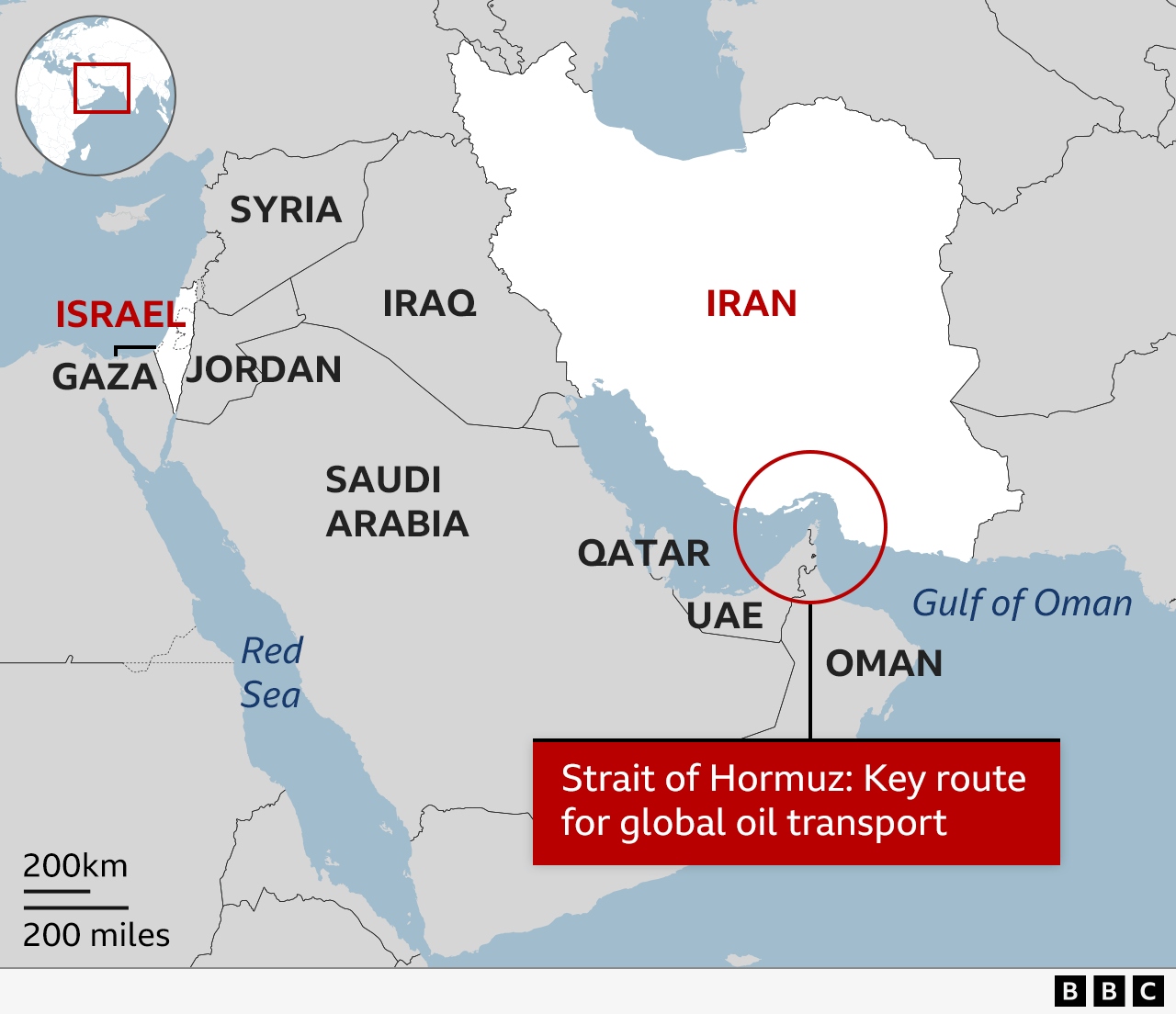
The Strait of Hormuz is not just a waterway. It is the jugular vein of the global energy market. Roughly 21 million barrels of oil pass through this narrow transit point daily, representing about a fifth of the world’s liquid petroleum consumption. For Iran, the threat to shutter the strait has always been more effective than the act itself. Once the strait is closed, the leverage is spent, and the consequence is usually total war. By articulating "conditions" for keeping the passage open and secure, Iran is attempting to shift the narrative from regional aggressor to a pragmatic stakeholder seeking a "grand bargain."
The Calculus of Economic Survival
The primary driver behind this sudden clarity of terms is the biting reality of Iran’s internal economy. Despite "shadow fleet" exports to China, the Iranian rial remains in a state of perpetual collapse. The Iranian leadership understands that piecemeal sanctions relief is no longer enough to stabilize a restless domestic population. They are looking for a total reset.
Washington, however, views these conditions as a non-starter. To grant a permanent guarantee against future withdrawal from a treaty is a constitutional impossibility in the United States, where one administration cannot legally bind the foreign policy of the next without a two-thirds Senate majority for a formal treaty. Tehran knows this. By demanding the impossible, they position themselves as the "rational" actor while painting the U.S. as an unreliable partner governed by four-year mood swings.
The energy sanctions remain the most contentious point. Iran wants more than just the ability to sell oil; it wants access to the SWIFT banking system and the return of frozen assets held in South Korea and Japan. Without these, even "open" trade remains a logistical nightmare.
Naval Posturing and the Ghost of Tanker Wars
The third condition—the withdrawal of U.S. and allied naval forces—targets the "Operation Prosperity Guardian" framework and other maritime coalitions. Iran views the presence of the U.S. Fifth Fleet as a direct violation of its sovereign sphere of influence. From their perspective, regional security should be managed by regional players.
History looms large here. During the "Tanker War" of the 1980s, both Iran and Iraq targeted merchant vessels, leading to a massive U.S. escort operation. Today, the tools of disruption have evolved. Iran no longer needs a conventional navy to shut the strait. A swarm of low-cost suicide drones, ballistic missiles stationed on the coast, and smart mines can achieve the same result at a fraction of the cost. This asymmetric capability is what gives their three conditions weight. They are not asking; they are proposing a protection racket on a global scale.
The Fragility of Global Supply Chains
Global markets are currently priced for perfection, and any disruption in Hormuz would send Brent crude well north of $120 a barrel almost instantly. This would trigger a cascading inflationary shock that most Western economies, still reeling from the post-pandemic recovery and the Ukraine conflict, are ill-equipped to handle.
- Insurance Premiums: War risk insurance for tankers in the Gulf has already seen periodic spikes. A formal "conditionality" on the strait’s openness will keep these rates permanently elevated.
- Alternative Routes: While Saudi Arabia and the UAE have pipelines that can bypass the strait, their capacity is limited. They cannot handle the 20-plus million barrels that the strait facilitates.
- Asian Dependency: China, India, and Japan are the primary destinations for Gulf crude. If Hormuz closes, the crisis moves from a Western diplomatic headache to an East Asian industrial collapse.
The Strategy of Tension
We are witnessing a sophisticated "Strategy of Tension." By setting public conditions, Iran forces the U.S. into a defensive rhetorical position. If the U.S. rejects the terms and a confrontation occurs, Tehran will claim it exhausted all diplomatic avenues. If the U.S. engages, it validates the tactic of using global energy security as a hostage for sanctions relief.
There is also the "China Factor." Beijing has maintained a delicate balance, acting as Iran’s primary customer while keeping a naval presence in Djibouti. Iran’s move forces China to decide if it will continue to play the role of the silent partner or if it will use its influence to moderate Tehran’s demands to protect its own energy security.
Verification and the Trust Gap
Even if a deal were struck, the "how" remains the sticking point. The U.S. intelligence community remains skeptical of any Iranian promise regarding maritime security. Past "de-escalation" periods have been followed by the seizure of tankers like the Stena Impero or the Advantage Sweet.
Verification in the Strait of Hormuz is nearly impossible due to the sheer volume of traffic and the proximity of the Iranian coastline to the shipping lanes. At its narrowest point, the shipping channel is only two miles wide in either direction, separated by a two-mile buffer zone. Most of these waters fall within the territorial sea of either Iran or Oman.
The technical reality is that Iran can "open" or "close" the strait in minutes using land-based batteries. No amount of diplomatic paperwork changes the geography.
A Stalemate of High Stakes
The Biden administration—or any subsequent administration—faces a binary choice that isn't really a choice. Giving in to the "three conditions" would be seen as a capitulation to maritime extortion, likely triggering a backlash from Middle Eastern allies like Israel and Saudi Arabia. Rejecting them outright maintains the status quo of "maximum pressure" but leaves the global economy vulnerable to a sudden, catastrophic supply shock.
Iran is banking on the idea that the West’s fear of $7-per-gallon gasoline is stronger than its resolve to maintain a sanctions regime. They are testing whether the U.S. still has the stomach for a protracted naval presence in a region it has been trying to "pivot" away from for over a decade.
The reality of the Strait of Hormuz is that it is never truly open or closed; it exists in a state of managed friction. By formalizing their demands, Tehran has moved the friction from the water to the negotiating table. The price for a "secure" strait has been set. Now, the world waits to see if Washington is willing to pay it, or if it will call what might be the most dangerous bluff in modern history.
The next move will not be made by a diplomat in Geneva, but by the commander of a carrier strike group or the captain of an Iranian Revolutionary Guard fast-attack craft. Security in the Gulf is no longer a matter of international law; it is a matter of pure, unadulterated leverage.