Modern military engagements are frequently reduced to binary political narratives, yet their true mechanics are governed by operational feedback loops, logistical choke points, and predictable escalation thresholds. When a regional conflict transitions from a localized deterrent posture into active kinetic exchange, the resulting deployment of force generates structural ripple effects across maritime corridors, regional proxy networks, and population density centers. Understanding the trajectory of contemporary hostilities requires moving past superficial casualty tallies to examine the underlying calculus of command decisions, strike efficiency, and secondary asymmetric retaliation.
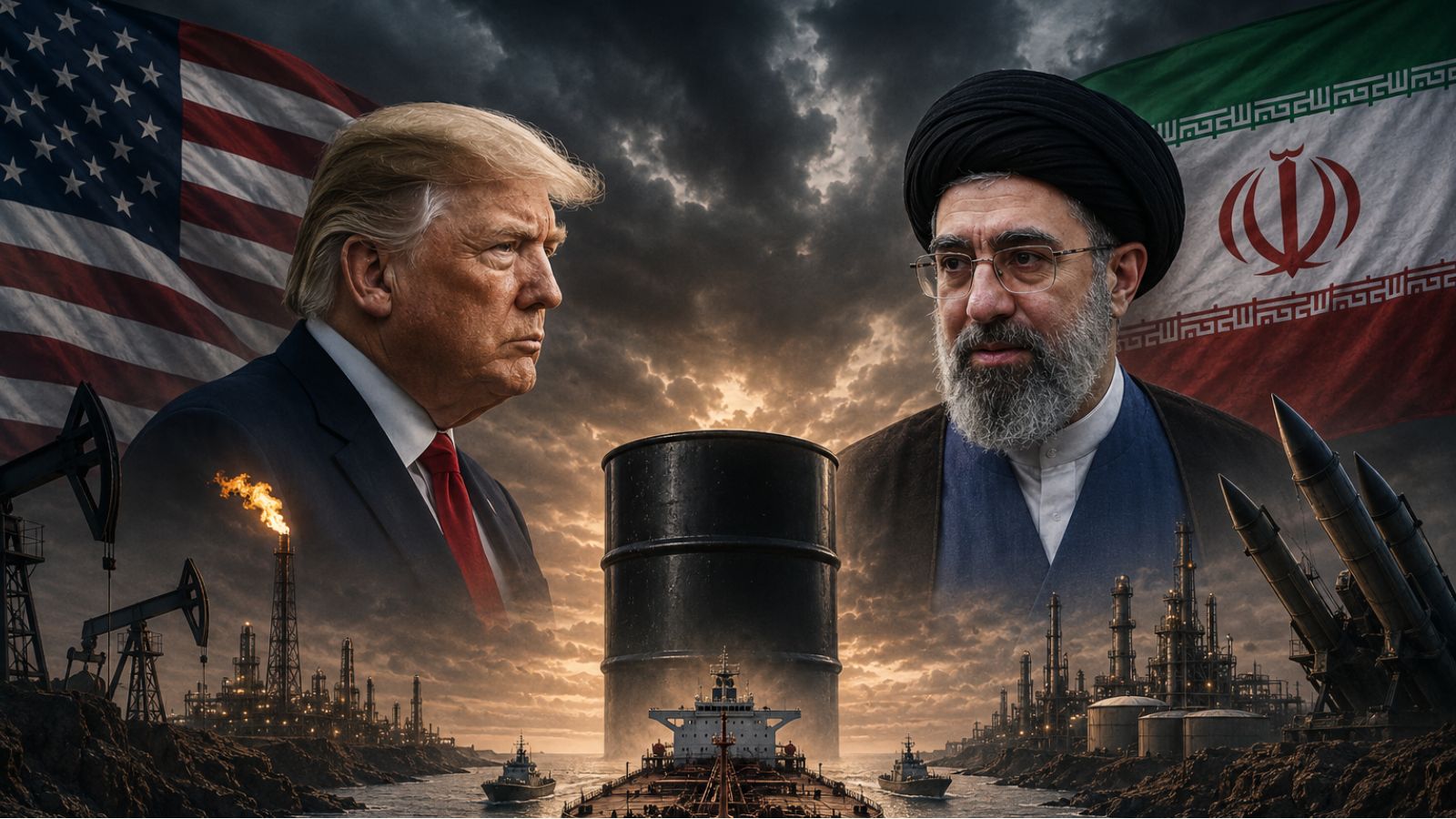
The recent resumption of kinetic operations between United States forces and Iranian infrastructure highlights the fragility of regional ceasefires and the speed at which diplomatic frameworks collapse. The breakdown of the June memorandum of understanding regarding the Strait of Hormuz demonstrated that minor disagreements over implementation quickly translate into tactical repositioning. When maritime choke points are threatened by the deployment of coastal defense launchers and sea mine capabilities, modern military doctrine dictates preemptive or disruptive action to secure freedom of navigation. This operational reality forms the core driver of the current escalation cycle. For an alternative view, read: this related article.
The Mechanics of Kinetic Escalation
The operational sequence that triggered the late-August and early-September engagements followed a rigid escalatory ladder. Related analysis regarding this has been provided by USA Today.
- The Trigger Threshold: Intelligence surveillance assets detected preparations on Larak Island to deploy anti-ship missile systems and offensive sea-mining infrastructure.
- The Interdiction Phase: United States Central Command executed targeted strikes against these specific vector points to neutralize the maritime threat before commercial shipping lanes could be mined.
- The Asymmetric Response Loop: In accordance with established doctrine, the Islamic Revolutionary Guard Corps retaliated not through direct symmetric naval engagement, but by launching coordinated drone and missile strikes against coalition military installations across Kuwait, the United Arab Emirates, Bahrain, Jordan, and Iraq.
This multi-theater exchange reveals the core vulnerability of modern force projection. Fixed military infrastructure across the Gulf acts as a sponge for incoming asymmetric munitions, requiring constant air defense expenditure while elevating regional friction.
Analyzing the Casualty Distribution Vector
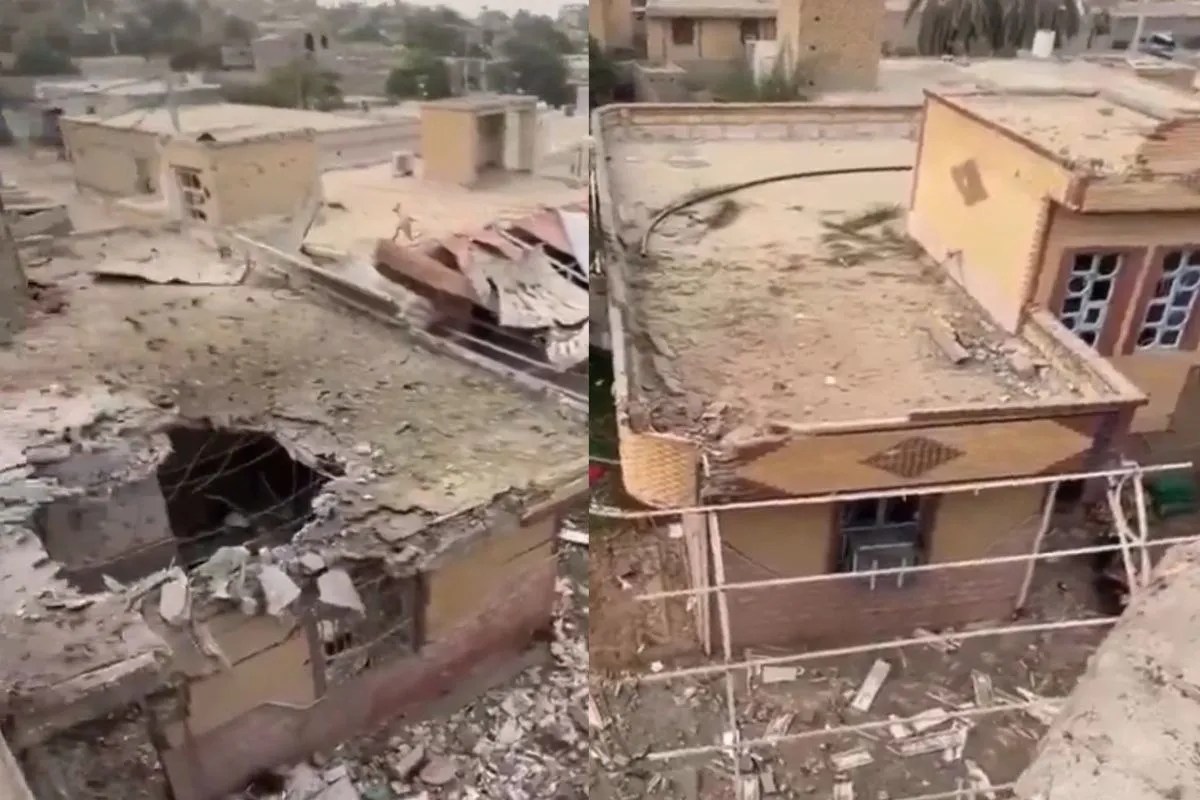
Reports issued by the Iranian Ministry of Health regarding strikes between August 30 and September 2 place total fatalities at 18, alongside 142 documented injuries. A granular breakdown of these metrics reveals vital operational context. Among the wounded, 61 were women and 44 were minors under the age of 18, while the fatalities included two women and one child.
In parallel, specific local incidents—such as the reported strike near the coastal town of Kuhestak in Sirik County—highlight the high civilian vulnerability inherent in operating dual-use coastal zones where military staging areas intersect with civilian population centers. From a strategic perspective, these casualty distributions illustrate the profound collateral friction generated when precision-guided munitions interact with urbanized or semi-urbanized littoral environments. Even when targeting criteria are narrowed to launchers and radar systems, the proximity of civilian infrastructure creates an unavoidable margin of collateral risk.
Economic and Logistical Impact on Maritime Corridors
The primary friction point of this conflict remains the Strait of Hormuz, a narrow maritime corridor through which a significant fraction of global petroleum transit flows. The introduction of sea mines and targeted attacks on commercial vessels attempting to navigate the strait forces a structural shift in global supply chain risk management.
- Insurance and Freight Premiums: Underwriters instantly reprice transit risk upon the first confirmed mine strike, compressing profit margins for global energy importers.
- Route Alteration: Shipping companies face binary choices between utilizing disputed local lanes under potential surveillance or pausing transit entirely, creating artificial supply bottlenecks.
- Naval Escort Dependency: Commercial traffic becomes structurally dependent on military convoy systems, transforming merchant vessels into strategic assets within the broader theater of operations.
The Regional Proxy and Defense Matrix
The decentralized nature of the counter-strikes launched by Iran underscores a deliberate strategy of resource dispersion. By targeting coalition airbases such as Al Dhafra and Al Minhad in the UAE, as well as facilities in Kuwait and Erbil, the command structure attempts to impose high operational costs on host nations cooperating with Western defense architectures. This creates a political dilemma for regional governments caught between security dependencies and domestic stability.
Air defense systems in Bahrain and surrounding states operate under severe saturation pressures during these exchanges. The economic asymmetry is stark: inexpensive kamikaze drones and unguided rockets require the expenditure of high-cost interceptor missiles, tilting the long-term attrition balance in favor of the offensive actor unless manufacturing output and interceptor stockpiles are aggressively scaled.
To mitigate the recurrence of these systemic flashpoints, military planners must transition from reactive interdiction cycles to institutionalized maritime buffer protocols. The strategic priority moving forward requires establishing verifiable, third-party monitored safety corridors in the Persian Gulf that decouple commercial energy transit from tactical military deployments, thereby short-circuiting the feedback loop between localized weapons positioning and regional theater-wide escalation.