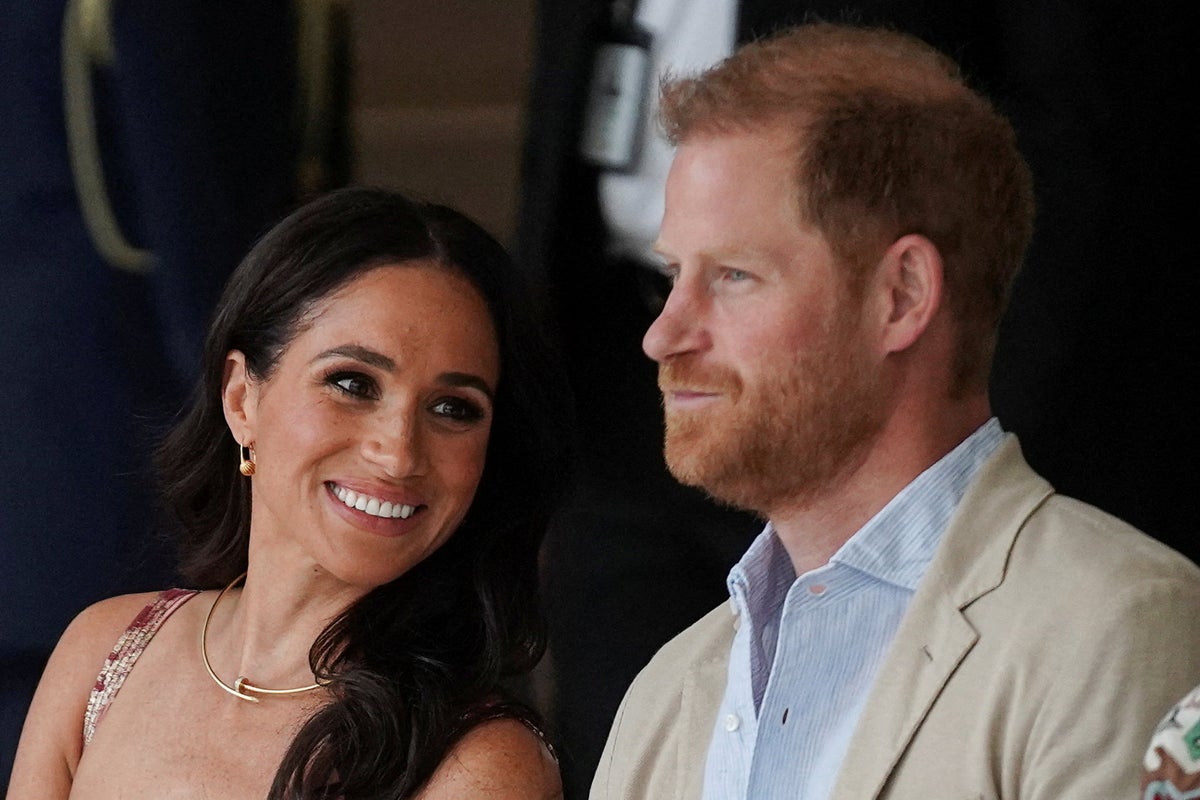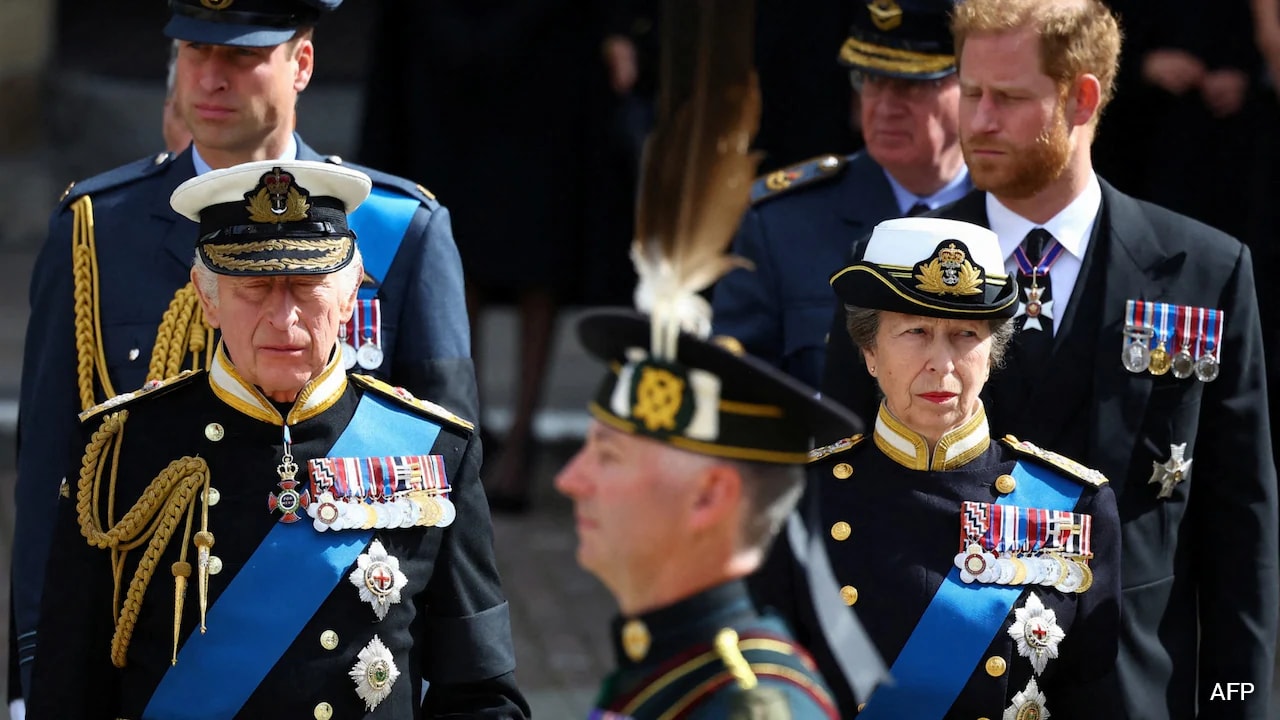
Predicting the geographic relocation of public figures often relies on superficial sentiment analysis rather than systematic institutional mapping. When evaluating whether Prince Harry and Meghan Markle will establish a functional presence in Britain, observers frequently default to emotional narratives of family reconciliation or permanent alienation. This approach ignores the operational reality governing high-net-worth migration, brand architecture, and institutional risk management. A rigorous assessment requires viewing their potential return through the lens of structural friction, contractual obligations, and security cost-benefit analysis.
The probability of any future operational footprint in the United Kingdom is governed by three distinct variables: asset protection frameworks, commercial portfolio diversification, and state-level protocol integration. These variables do not operate in isolation; they form a complex matrix of incentives and disincentives that dictate the viability of international mobility for non-working members of the British royal family.
The Security Deficit and State Protocol
The primary structural barrier to any sustained British residency is the resolution of protective intelligence allocation. Security logistics for high-profile public figures function under specific risk-assessment matrices managed by state agencies. When the Sussexes relinquished their working royal status, their automatic entitlement to taxpayer-funded protection under the Executive Committee for the Protection of Royalty and Public Figures was altered.
Re-establishing a permanent or semi-permanent base in Britain introduces a recurring expenditure variable that neither the state nor the individuals have found a mutually acceptable mechanism to underwrite. The ongoing legal challenges regarding security provisions highlight a fundamental impasse: private intelligence capabilities cannot legally or operationally replicate the sovereign-level threat mitigation provided by state assets on British soil.
Without a predictable mechanism for managing physical security risk, the transaction cost of operating inside Britain remains prohibitively high. This creates a functional deterrent to long-term residency, regardless of personal motivations or familial incentives. Any future return must therefore be measured not by duration of stay, but by the security architecture required to support it.
Commercial Portfolio Diversification and Geographic Arbitrage
From a brand architecture perspective, maintaining a primary base in North America serves a distinct commercial function. Geographic arbitrage allows media entities and production houses to operate outside the immediate cultural gravity and media scrutiny of the British press ecosystem. The transition from institutional monarchy employment to private enterprise required the creation of independent revenue streams, primarily anchored in digital content production, literary contracts, and philanthropic foundations.
The initial phase of this transition relied heavily on proximity to the global media capital of Los Angeles. As their commercial entities mature, the operational necessity of physical presence in California may decrease, opening avenues for multi-jurisdictional living models. However, relocating operational headquarters back to Britain presents distinct brand positioning risks. A return that appears transactional risks diluting the independent positioning cultivated since 2020, while a permanent re-integration is structurally foreclosed by the terms of the Sandringham Summit agreements.
Consequently, any future British footprint will likely manifest as a temporary, event-driven presence rather than a strategic operational relocation. The economic incentives favor maintaining the United States as the primary operational hub while utilizing European touchpoints for specific philanthropic initiatives.
Institutional Friction and the Succession Variable
The long-term trajectory of the British monarchy introduces structural variables that will inevitably shift the calculus of international residency. As the institutional leadership transitions across generations, the operational distance between working royals and non-working family members recalibrates.
This dynamic is dictated by the principles of brand protection and institutional continuity. The central apparatus of the monarchy operates to preserve brand equity and public trust. Introducing independent actors into the domestic sphere creates messaging friction that institutional communications teams actively seek to minimize. Therefore, any return to Britain by Harry and Meghan is subject to strict operational containment by the palace establishment, limiting the scope of public engagements and institutional access.
Rather than anticipating a dramatic reconciliation or a permanent expatriate stalemate, strategic forecasting indicates a managed equilibrium. Future interactions will be governed by low-frequency, high-specificity engagements tied to established patronages or urgent legal proceedings, bypassing the daily operational machinery of the British state.
To position assets effectively for future geopolitical and media shifts, private family offices managing high-profile public profiles must prioritize jurisdictional flexibility over fixed geographic loyalty, designing operational models that remain resilient to shifting state protocols and media cycles.