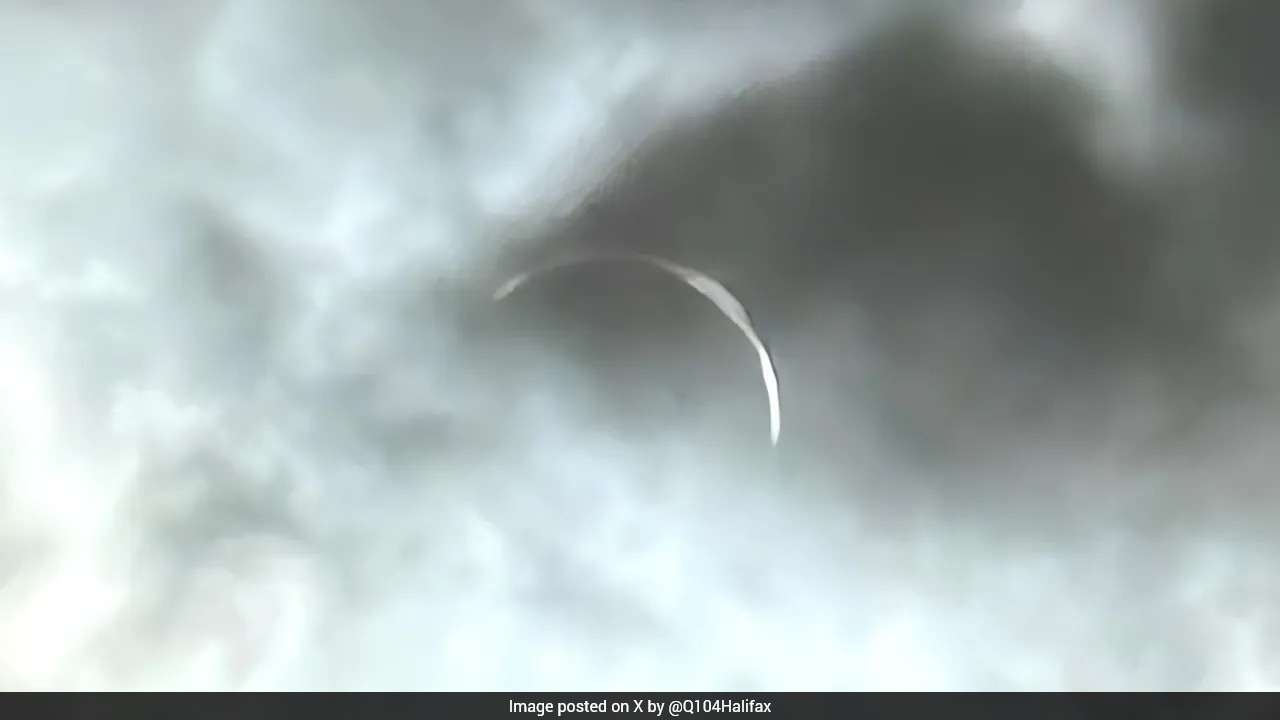
The air smelled of wet moss, old salt, and the sudden, electric shock of sulfur steaming from the earth.
Standing on the black volcanic sands of the Snæfellsnes Peninsula, the wind did not merely blow; it interrogated us. It pushed against our jackets, stripped the warmth from our fingers, and whipped the gray Atlantic spray into our eyes. We had come for a cosmic alignment, a rare celestial collision where the moon would slide precisely between the earth and the sun, plunging the land of fire and ice into midday twilight.
Instead, we got soup.
A thick, unapologetic blanket of North Atlantic cloud cover rolled in from the horizon hours before first contact. The sky turned the color of a wet slate shingle. The temperature plummeted. The tourists checking their weather apps cursed softly under their breath, watching the little digital sun icons get swallowed by animated rainstorms.
Most people pack up when the sky betrays them. They retreat to the heated leather seats of rental cars, drive back to Reykjavik, and complain to the concierge. But Iceland does not negotiate with itineraries. The island operates on its own ancient, indifferent schedule, and if you want to understand why travelers keep throwing themselves at its unpredictable shores, you have to look past the missing spectacles and watch what happens when the light actually goes out.
The Silence Before the Shadow
Let us be entirely honest about what a solar eclipse feels like when you cannot actually see the sun.
We often romanticize astronomy as a visual medium. We expect diamond rings of light, corona flares licking the edges of darkness, and crisp photographic proof for our feeds. Without the visual payoff, the human brain gropes for orientation.
Consider what happens next: the light drains out of the landscape, not like a sunset, but like a dimmer switch pulled by an invisible hand. The vibrant greens of the coastal meadows turn into a bruised, muted olive. The ocean darkens from slate blue to a flat, menacing charcoal. The gulls stopped crying overhead. They knew. Long before our instruments registered the drop in luminosity, the wildlife recognized the tectonic shift in the day.
(Note: While I am recounting this through the lens of a collective observer's journey, marine biologists note that cetaceans and coastal birds routinely alter their behavioral patterns during sudden diurnal darkness, responding to acoustic and barometric shifts long before human eyes adjust.)
And then, the whales arrived.
They didn't breach in some cinematic, Hollywood fashion timed to a swelling orchestral score. They simply appeared in the choppy fjord waters beneath us, sleek black curves breaking the surface with heavy, rhythmic sighs of breath. Minke whales, moving with quiet urgency through the gray foam. For twenty minutes, the crowd on the shore forgot about the blocked corona entirely. We stood shoulder to shoulder in the freezing mist, watching these ancient mammals navigate a darkened sea, bound together by a shared, shivering anonymity.
The Proposal in the Muck
Rain in Iceland is rarely just rain. It is horizontal, vindictive moisture that finds the single unsealed zipper on your gore-tex jacket.
About fifty yards down the black-sand beach, shielded only by a jagged basalt stack, a scene unfolded that utterly redefined our afternoon. A man in a mud-splattered parka dropped to one knee.
He didn't have a picturesque sunset. He didn't have a clear view of the celestial phenomenon drawing thousands to the Arctic Circle. His boots were sinking inches into volcanic silt, and his hair was plastered to his forehead by a relentless drizzle.
She covered her mouth with both mittened hands.
We couldn't hear what he said over the roar of the surf and the howling wind, but we saw her nod violently, dropping into the mud beside him to pull him into a fierce, desperate embrace.
When they stood up, laughing through the stinging spray, someone nearby uncorked a thermos of lukewarm black coffee and passed it over. We toasted strangers under a sky that refused to cooperate. It was messy, it was damp, it was entirely uninstagrammable by modern luxury standards, and it was unforgettable.
Why We Chase the Unseen
We live in an era obsessed with guaranteed outcomes. We book vacations based on algorithmic forecasts, demand high-speed connectivity at the edge of glaciers, and expect nature to perform on cue like a curated playlist.
Iceland shatters that illusion with joyful malice.
The country's tourism statistics show a massive spike during major astronomical events, yet seasoned guides will quietly tell you that the true magic happens precisely when the forecast fails. When the clouds roll in, the superficial sightseers disperse. The noise fades. You are left with the raw bone of the landscape and the company of people who are willing to endure discomfort for the mere chance of witnessing something larger than themselves.
The eclipse of that afternoon was technically a bust, meteorologically speaking. The sun remained hidden behind its woolly fortress of gray. Yet, standing there with salt on our lips and frost in our boots, nobody was checking flight change fees. Nobody was demanding a refund from the cosmos.
We had come looking for a clean astronomical textbook diagram. Instead, we found ourselves standing in the dark with whales, breathing cold Atlantic air, watching two people commit their lives to each other in a freezing swamp at the edge of the world.
The sky stayed gray.
We wouldn't have traded it for the clearest day of the year.