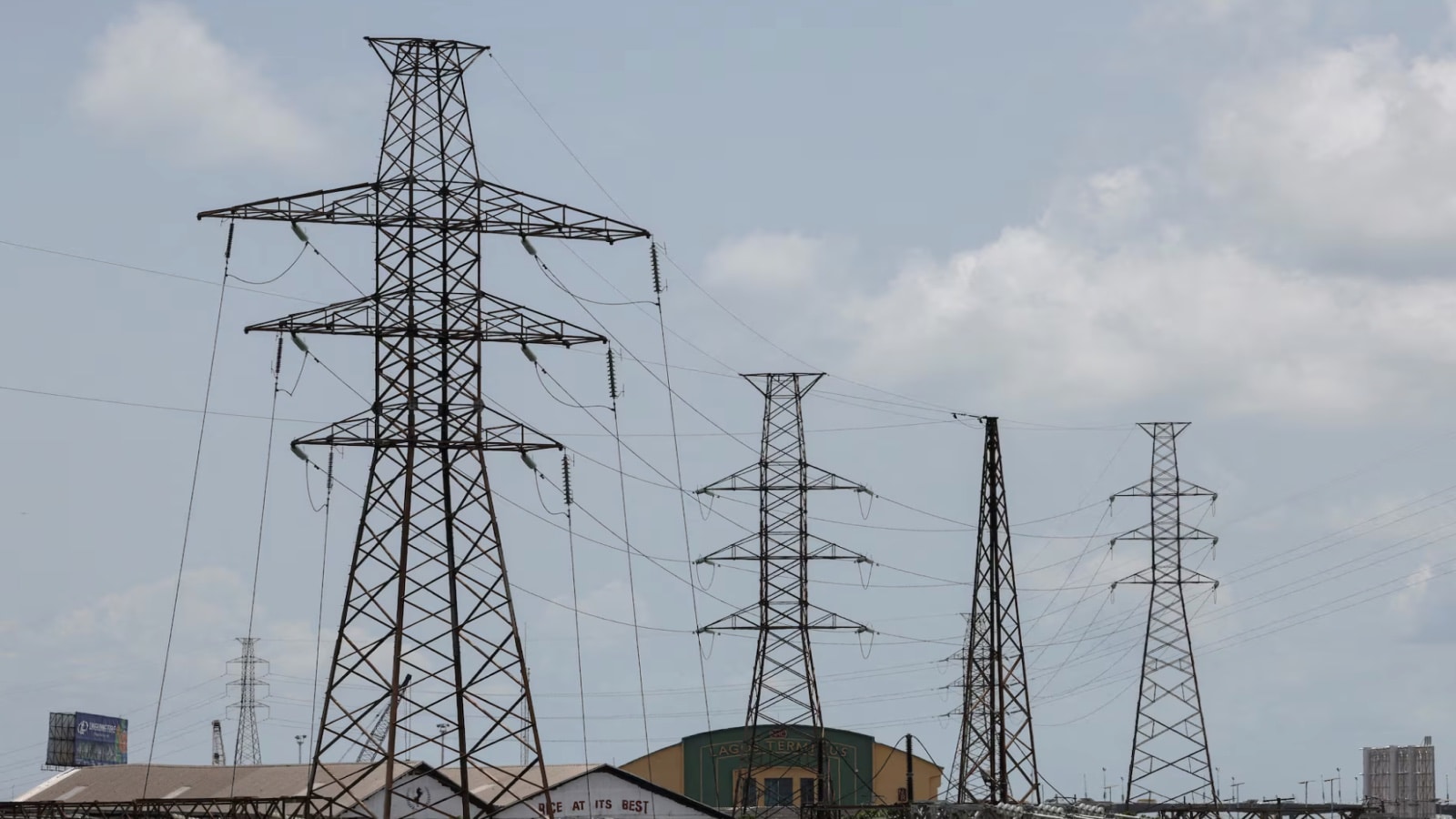
A four percent boost to Sub-Saharan Africa’s gross domestic product sounds transformative on paper. According to recent projections by the International Monetary Fund, artificial intelligence could drive this massive economic surge across the subcontinent. Yet this economic projection rests on a massive assumption. The bump depends entirely on whether nations in the region can overhaul their failing electricity grids and expand high-speed internet access. Without reliable power and cheap connectivity, high-level computational tools remain completely useless.
The promise of artificial intelligence in developing markets often ignores basic physical reality. Financial models treat advanced software as an abstract force that operates independently of brick-and-mortar infrastructure. In truth, modern algorithms require immense physical energy, server banks, and constant transmission networks. Promising a multi-billion-dollar economic expansion to countries where hundreds of millions of citizens lack basic domestic electricity is a dangerous exercise in wishful thinking.
The High Price of Abstract Economic Models
International financial institutions love tidy projections. A four percent economic uplift looks attractive in executive summaries circulated through Washington policy circles. It gives development agencies a clear target and a optimistic narrative to package for investors.
The actual mechanisms behind these estimates rarely withstand scrutiny. Economic modeling assumes that technology adoption occurs smoothly once software becomes available. If a farmer in Kenya or a logistics coordinator in Nigeria can access an automated decision tool, productivity increases. Higher productivity then feeds directly into national output figures.
Reality works differently. Software does not exist in a vacuum. To process data, run automated diagnostics, or handle supply chain routes, a digital system needs electricity every second of the day. A single outage breaks the process, corrupts databases, and forces businesses back to pen and paper. When an enterprise spends more money running diesel generators than it does purchasing software, the promised economic returns evaporate instantly.
Power Grids Behind the Digital Divide
Electricity is the non-negotiable foundation of any modern economy. Across Sub-Saharan Africa, energy poverty is not a minor inconvenience. It is a structural bottleneck that halts industrial expansion.
Consider the physical demands of modern data centers. Cloud services require massive volumes of constant electric power to run servers and cool processing units. In major tech hubs like Lagos, Nairobi, or Johannesburg, commercial energy costs are among the highest in the world due to backup fuel expenses. Grid power fails regularly. Businesses must maintain heavy industrial generators, keeping expensive diesel fuel on site simply to keep basic office servers online.
- Grid Reliability: Frequent blackouts force technology firms to build redundant offline systems, driving up operational costs.
- Energy Costs: High kilowatt-hour prices make running power-hungry machine learning tasks prohibitively expensive for local startups.
- Geographic Imbalance: Power generation concentrates in urban centers, leaving rural agricultural regions entirely offline.
If an enterprise must spend forty percent of its operating budget on auxiliary fuel, it cannot afford to deploy capital toward software licenses or specialized hardware. The foundation is broken, making any high-level technological adoption fragile and excessively costly.
The Cost of Bandwidth and Local Computing
Internet infrastructure across the region presents another massive hurdle. Fiber optic cables line the coastlines, connecting major African ports to international data traffic. However, moving that connectivity inland remains extraordinarily expensive.
The last-mile network is where digital plans stall out. Laying underground cable across thousands of miles of varied terrain demands capital that local telecom providers often lack. Wireless towers bridge part of the gap, but mobile data pricing remains high relative to median household incomes.
Consider a hypothetical local logistics company attempting to track regional cargo in real time using automated route planning. If every data transmission carries high mobile carrier surcharges, the operational cost quickly exceeds any efficiency gain promised by the software. The math simply fails to add up for medium and small enterprises.
Furthermore, running modern software systems requires either cloud access or local processing hardware. Cloud access demands low latency and cheap, continuous internet throughput. Local processing requires expensive hardware imported across high tariff barriers. Either way, local firms face severe financial penalties compared to their international competitors.
Why Import-Heavy Tech Strategies Fail
For decades, international policy advisors have encouraged developing nations to leapfrog traditional industrial phases. The theory suggests that nations can bypass heavy manufacturing and jump directly into high-tech service economies.
This strategy ignores basic economic history. No major economy has ever built sustained prosperity entirely on imported technology while lacking basic public utilities. When a nation imports both the hardware and the cloud software, capital flows out of the country. Foreign tech giants capture the profits, while local businesses remain dependent on subscription models priced in foreign currencies.
Currency volatility makes this dynamic even worse. When a local currency devalues against the U.S. dollar, software subscriptions and cloud hosting fees double or triple overnight. Local companies that built operations around imported digital tools suddenly find themselves facing unsustainable bills.
Instead of building local capability, an over-reliance on foreign software platforms creates technological dependency. Local talent spends time adapting to external platforms rather than building tools designed specifically for local constraints, like low-bandwidth environments or offline-first operation.
Fix the Grid Before Buying the Code
Unlocking real economic growth requires flipping the current policy priorities upside down. Governments and international financiers must stop treating digital tools as a magical shortcut around basic infrastructure investment.
The priorities must be clear and sequential:
- Rebuild the Energy Sector: Stabilize regional power grids, reduce industrial tariff rates, and clear legal hurdles for private renewable energy projects.
- Expand Fiber Networks: Treat high-speed physical internet infrastructure as a core public utility, subsidizing inland fiber expansion rather than just urban wireless.
- Lower Hardware Import Tariffs: Remove steep duties on networking equipment, servers, and computational hardware to lower the entry cost for local tech businesses.
Without basic physical utilities, ambitious percentage growth targets are meaningless numbers in academic reports. A country cannot code its way around a blackout. True economic momentum will only arrive when turning on a computer in a regional town is as predictable and affordable as flipping a light switch.