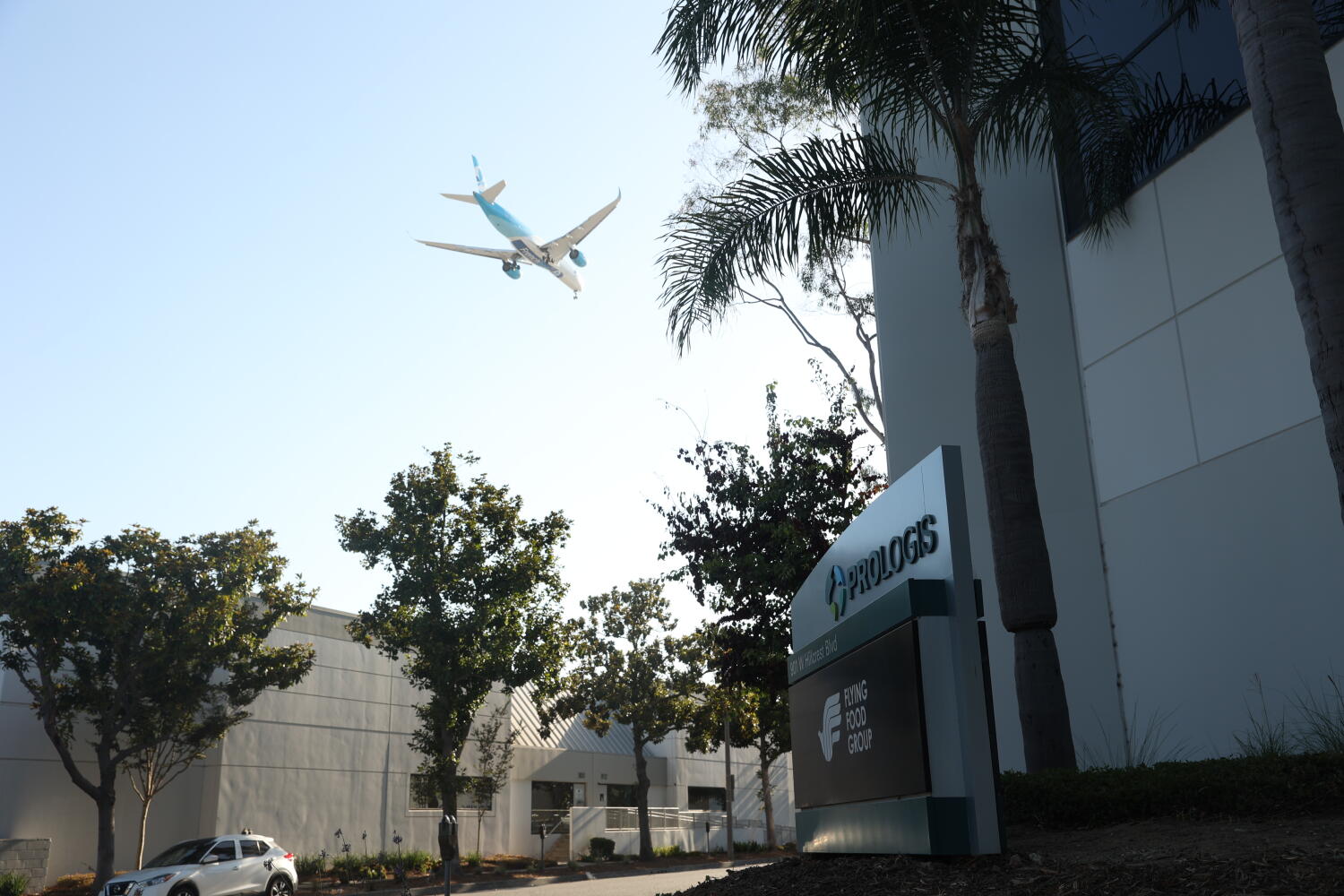
The passport sat in the kitchen drawer, buried beneath old utility bills and a spare set of car keys, its dark blue cover gathering a fine film of dust. For years, that little booklet felt like a ticket to reinvention. It represented the ritual of the departure lounge, the sudden drop in air pressure as a wide-body jet cleared the tarmac, and the strange, electric thrill of standing on foreign soil where nobody knew your name.
Then July arrived. And the passport stayed put.
Across the country, millions of suitcases remained zipped shut against international flights. According to recent data from Statistics Canada, domestic travel surged through the mid-summer months, marked by a quiet, deliberate turning inward. At the same time, trips taken by residents heading south across the border into the United States saw a noticeable decline.
Numbers on a spreadsheet rarely tell the whole truth. They do not capture the sound of gravel spitting beneath car tires on a dusty provincial highway, or the smell of pine needles heating up beneath a noon sun in a northern park. But behind those flat statistical figures lies a massive behavioral shift. A collective decision was made. We chose the familiar over the far-flung. We chose the road trip.
Consider a hypothetical traveler named Marcus. For a decade, Marcus measured his life by airport codes. His calendar was a mosaic of weekend getaways to Seattle, quick flights to New York, and multi-leg journeys across international time zones. He knew the exact security line at Terminal 3 that moved the fastest. He knew the taste of stale airport coffee in three different countries.
This year, Marcus did something different. He loaded a cooler with local ginger beer and sliced apples, tossed a tent into the trunk of a ten-year-old sedan, and drove three hours north of the city to a lakeside campground with spotty cellular reception.
When asked why he abandoned his usual cross-border pilgrimage, Marcus did not mention exchange rates, though the dollar makes a compelling argument on its own. He did not talk about airline delays, lost luggage statistics, or the exhausting choreography of modern international security checkpoints. He talked about the quiet. He talked about waking up to the sound of loons instead of morning traffic on an interstate highway.
Economics always casts a long shadow over leisure. When the cost of cross-border travel climbs due to currency fluctuations and steep inflation in major foreign metropolitan areas, the math changes. A weekend shopping trip or a vacation south of the boundary line suddenly requires a financial calculus that drains the joy right out of the adventure.
Yet, money is only part of the equation. There is a deeper fatigue settling into the modern traveler. We spent years accelerating. We chased the horizon because the horizon was always there, waiting to be conquered. But constant motion carries a heavy tax. The logistics of modern voyaging—the apps, the reservations, the dynamic pricing, the endless optimization of leisure time—turned vacationing into another job.
Staying home offers a radical antidote.
When domestic travel rises while international departures dip, it signals a recalibration of what people want from their time off. People are looking for grounding. They want places where the cultural codes are intuitively understood, where the emergency room works on a familiar health card, and where the language barrier does not require a translation app just to order a cup of coffee.
There is an art to exploring your own backyard. It requires a specific kind of humility. You have to strip away the exoticism that comes with a stamp in your passport and look at your immediate geography with fresh eyes.
Imagine driving through the rolling hills of the countryside during peak July heat. The wheat fields are the color of old gold, swaying in heavy afternoon gusts. Roadside stands offer baskets of dark, sweet cherries sold on the honor system, where you drop cash into a rusted tin can. There are no tour guides here. No mandatory museum passes. Just open asphalt and the slow, rhythmic ticking of the turn signal.
Statistics Canada captured this movement in cold, precise metrics, noting the steady upward tick of domestic overnight trips and the corresponding softening of travel to the United States. But those numbers mask a thousand individual stories of rediscovery. Families packed minivans for cabin rentals three provinces over. Couples traded urban Italian piazzas for rugged coastal trails within driving distance of their own front doors.
This shift reveals something profound about our relationship with place. Travel does not require an ocean crossing to be transformative. Sometimes, transformation happens when you stop running away from the familiar and instead learn to look deeply at what has been sitting right beside you all along.
The dust on the passport in the kitchen drawer is not a sign of confinement. It is a monument to a temporary pause. A summer marked not by the places we left behind, but by the spaces we finally allowed ourselves to inhabit.