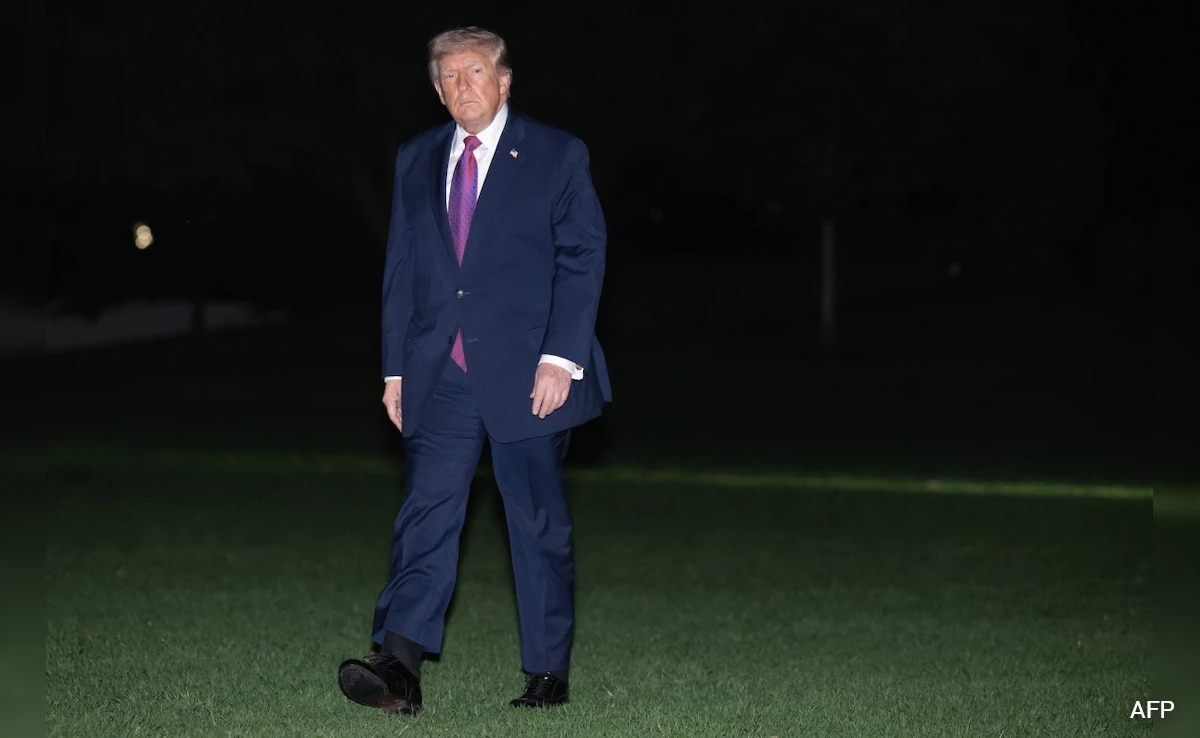
Money talks. Sometimes it even tries to swing a golf club at international law. A recent report suggests that Syrian tycoons explored a wild strategy to get out from under the weight of U.S. sanctions by proposing a Trump-branded golf course in their country. It sounds like a plot from a political thriller, but it's just the latest example of how the wealthy attempt to bypass global restrictions using the power of a famous name.
If you’re wondering why anyone would think a golf resort could fix a geopolitical mess, you haven't been paying attention to how the Trump brand operates. The idea is simple. You align yourself with the interests of a powerful political figure, and suddenly, your problems might just vanish. Or so the theory goes. This wasn't about the love of the game. It was a calculated move to buy influence.
Why Syrian Elites Targeted the Trump Organization
Syria has been a pariah in the eyes of the West for a long time. The U.S. government uses sanctions to squeeze the finances of those who support the current regime. These aren't just minor inconveniences. They freeze bank accounts and kill international trade deals. For a Syrian tycoon, these restrictions are a slow-motion death sentence for their business empire.
According to the report, these businessmen weren't looking to build a community center. They wanted a high-profile, luxury asset that would catch the eye of the former president’s family and business associates. By bringing a Trump-branded property to Damascus or its outskirts, they hoped to create a bridge. If the U.S. President has his name on a building in your city, he’s much less likely to let that city be economically crushed. It’s an insurance policy made of gold-plated faucets and manicured greens.
The Reality of Sanctions Evacuation Strategies
Sanctions are tough. They're designed to be airtight, but people with enough cash always look for the cracks. Usually, this involves shell companies in Dubai or secret bank accounts in Switzerland. This golf course pitch was different. It was loud. It was flashy. It was an attempt to use "soft power" to achieve a hard political result.
The tycoons behind this pitch knew exactly what they were doing. They understand that the Trump Organization is always looking for global expansion. From Dubai to Oman, the brand has already established a presence in the Middle East. Why not Syria? To them, the risk of dealing with a sanctioned nation was just a hurdle to be negotiated away. They underestimated the legal nightmare that comes with the Caesar Act and other U.S. laws that make doing business with the Syrian regime nearly impossible for American companies.
The Problem With Middle East Real Estate Deals
Real estate in this region is never just about the land. It’s about who owns it and who protects it. In Syria, the line between private business and the state is blurry at best. Any major project requires the blessing of the top leadership. This means that any American company involved would effectively be entering a partnership with the very people the U.S. government is trying to punish.
- Legal Risks: U.S. citizens and companies face massive fines and prison time for violating sanctions.
- Reputational Damage: Building a playground for the wealthy in a war-torn country under a brutal regime is a PR disaster.
- Financial Viability: Who is actually going to play golf in a country where the infrastructure is in tatters?
The pitch likely didn't get far because the legal barriers are currently too high. Even for a brand that prides itself on being bold, Syria is a bridge too far.
Buying Influence Through Branding
This isn't just about one golf course. It’s about a global trend where foreign entities use luxury brands to sanitize their image. We see it in sports washing, where countries with poor human rights records buy soccer teams or host massive boxing matches. The Syrian proposal was a version of this, just more targeted toward a specific family with a specific type of political power.
When you put a famous Western name on a project, you're telling the world you're open for business. You're trying to signal that the "old ways" are gone and you're part of the global elite now. But for Syria, the scars of the last decade are too deep for a golf course to hide. The tycoons might have the money to build the course, but they don't have the political capital to make the U.S. Treasury Department look the other way.
What This Means for Future Sanctions
The fact that this pitch even existed shows how desperate the Syrian elite have become. They're looking for any exit ramp. If they can't get the sanctions lifted through diplomacy, they'll try to do it through a licensing deal. It also highlights a massive loophole in how we think about international influence. Laws often move slower than a wire transfer.
Government officials in Washington are likely watching these developments closely. They have to. If businessmen think they can bypass the State Department by talking to real estate developers, the entire sanctions framework starts to crumble. We can expect even tighter scrutiny on "branding" deals in the future.
If you’re looking at how to navigate international business in high-risk zones, you have to be smarter than these tycoons. Don't assume a big name will protect you from Federal law. Stick to transparent transactions and keep your distance from sanctioned regimes. The "golf course strategy" might make for a good headline, but it’s a terrible way to run a sustainable business in the modern world. Always verify the ultimate beneficial owner of any deal. If the trail leads back to a sanctioned entity, walk away immediately. No brand name is worth a federal indictment.