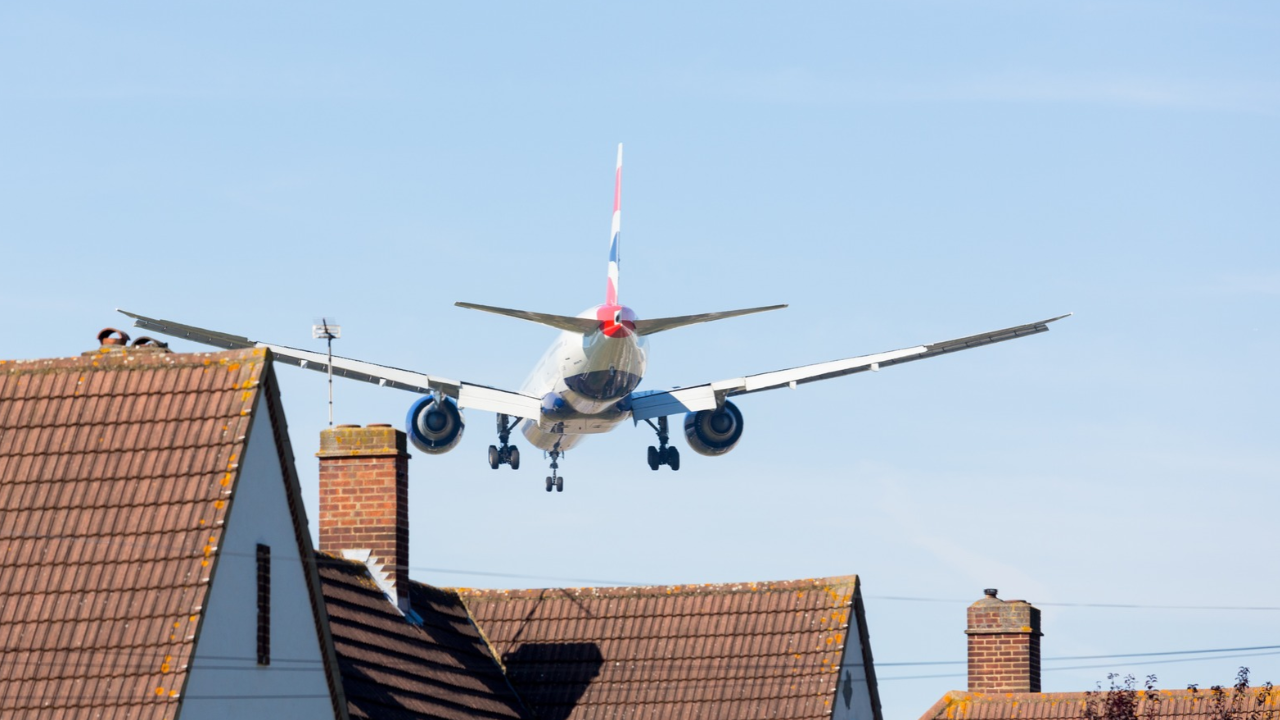
Twelve pounds. That's barely enough for a soggy sandwich and a lukewarm coffee at Heathrow Terminal 5. Yet a British Airways passenger recently dragged the airline through the legal system over £12 in statutory interest after waiting months to get reimbursed for a £2,000 hotel bill.
Most people hear that headline and laugh. They think it's petty, stubborn, or a complete waste of a Tuesday afternoon.
They're dead wrong.
That £12 court victory exposes one of the dirtiest, most profitable delaying tactics in the aviation industry. Airlines routinely sit on thousands of pounds of your money for months, knowing full well that 95% of exhausted travelers will eventually give up, accept a lowball voucher, or just forget about the interest their cash was earning in the airline's bank account instead of theirs. When you understand the mechanics behind UK261 passenger rights and statutory court interest, that tiny £12 payout stops looking like a joke and starts looking like a blueprint for how every stranded traveler should fight back.
The Real Story Behind the £2,000 Hotel Bill and £12 Interest Claim
Let's look at what actually happens when an airline cancels a flight at the last minute and leaves you stranded abroad. Under UK law—specifically assimilated Regulation (EC) No 261/2004, widely known as UK261—airlines have a strict, non-negotiable duty of care. It doesn't matter if the cancellation was caused by a blizzard, an air traffic control strike, or a broken coffee machine on the plane. If your flight is canceled or heavily delayed, the airline must pay for your hotel, your meals, and your transport between the airport and the bed.
In this specific case, a British Airways passenger got stranded and racked up roughly £2,000 in out-of-pocket hotel expenses. That sounds high until you've ever tried booking a last-minute room in London, New York, or Zurich when three hundred other grounded passengers are refreshing Expedia at the exact same time.
British Airways eventually paid back the £2,000 principal. That's the part airlines love to highlight when they get dragged into the press. They say, "Look, we paid the customer back."
What they leave out is the timeline.
When an airline drags its feet for months before reimbursing a £2,000 expense, they've effectively forced you to give them an interest-free loan while you're paying 22% APR on your credit card statement waiting for the refund to clear. Under Section 69 of the County Courts Act 1984 in England and Wales, claimants are entitled to statutory interest—typically 8% per annum—on money owed to them from the date the debt became due until the date it's paid.
The passenger didn't drop the case once the £2,000 landed in their account. They pushed forward for the £12 in statutory interest and court fees. And they won.
Why Airlines Stall on Duty of Care Reimbursements
You might wonder why a multi-billion-pound company like International Airlines Group (IAG), British Airways' parent company, would let a claim escalate over £12. It isn't incompetence. It's math.
Think about the scale of airline disruptions. During peak summer travel or winter storms, tens of thousands of passengers submit expense receipts every single week. If an airline delays paying out £10 million in valid hotel and meal claims by six months, two things happen in their favor.
First, cash flow stays on their balance sheet longer. Second, and far more lucrative, attrition kicks in.
Every extra hurdle—broken web forms, automated rejection emails claiming "extraordinary circumstances" (which don't even apply to hotel reimbursements, by the way), 45-day response windows, and requests for itemized receipts you already uploaded twice—knocks out a huge percentage of claimants. People get busy. They lose the PDF of their taxi receipt. They decide £300 isn't worth five hours of arguing with a customer service bot.
By the time a passenger actually files an MCOL (Money Claim Online) through the UK small claims track, the airline's legal team usually steps in at the eleventh hour. Their standard playbook is simple. They pay the main expense—the £2,000 hotel bill—right before the hearing date, hoping the passenger will sign a settlement agreement or simply withdraw the claim because the big number has been cleared.
Most people take the £2,000 and walk away relieved.
This passenger didn't blink. Because the airline didn't settle the statutory interest and court filing fee along with the principal, the claim remained live. In the UK small claims court, a defendant can't just pay the base debt months late and pretend the legal action never happened. If you forced someone to sue you to get their own money back, you owe them the filing fee and the statutory interest.
What UK261 Actually Guarantees When You're Stranded
Honestly, the biggest reason airlines get away with stalling is that passengers confuse compensation with reimbursement. They are two completely separate legal buckets under UK261, and mixing them up costs travelers millions every year.
Lump-Sum Delay Compensation
This is the fixed penalty the airline pays you for wasting your time—ranging from £220 to £520 depending on flight distance. Airlines can dodge this payout if they prove "extraordinary circumstances" like severe weather, airspace closures, or security threats.
Duty of Care Reimbursement
This covers your actual, reasonable out-of-pocket costs while stranded. Hotels, meals, soft drinks, two phone calls, and transport to and from the hotel. There is no extraordinary circumstances exemption here. None. If a volcano erupts and grounds every plane in Europe for four days, the airline still legally owes you a hotel bed and dinner for every single night until they get you home.
British Airways and its competitors frequently send out template rejection emails citing weather or air traffic control to deny hotel claims. It's completely unlawful, yet customer service agents do it daily. When you know the difference between the two buckets, those copy-pasted excuses lose all their power.
The Hidden Cost of "Reasonable" Hotel Caps
Another trap that trips up stranded travelers—and likely played a role in a £2,000 hotel bill—is the myth of the airline hotel cap.
If you call an airline's helpline from an airport floor at midnight, an agent might tell you, "We only reimburse up to £150 per night for hotels." They say it with total confidence, as if it's etched into aviation law.
It isn't.
UK261 requires the airline to provide accommodation. If the airline fails to book a room for you directly—which happens constantly during mass cancellations—you have the right to book your own "reasonable" accommodation and bill them later. What counts as reasonable depends entirely on context, not an arbitrary corporate policy.
If you're stranded in central London during Wimbledon or Taylor Swift's Eras Tour, a basic three-star airport hotel might cost £450 a night. If you stay there for four nights waiting for the next available flight, your bill hits £1,800 to £2,000 before you've even ordered room service. As long as you didn't book the penthouse suite at The Ritz with a bottle of Dom Pérignon on the minibar tab, courts consistently side with passengers on high hotel bills when cheaper rooms simply didn't exist.
Here's what you should document on the spot if you ever face a massive hotel bill during a cancellation:
- Take screenshots of booking sites showing that standard rooms at budget chains (like Premier Inn, Holiday Inn, or local equivalents) were either sold out or priced similarly to what you booked.
- Keep itemized folios, not just credit card receipts. Airlines routinely reject credit card slips because they don't prove you didn't spend £80 at the hotel bar. Make sure the final invoice clearly separates the room rate, taxes, and food.
- Avoid alcohol on meal receipts. Airlines have zero legal obligation to pay for wine, beer, or cocktails. Keep your food receipts clean—stick to meals and non-alcoholic drinks so an assessor has no excuse to reject the entire line item.
- Save proof that the airline failed to help. Screenshot the queue at the customer service desk or keep records showing they offered no hotel voucher at the airport.
How Statutory Interest and Small Claims Work in the UK
If you're flying to or from the UK—or flying on a UK/EU carrier anywhere in the world—you have access to one of the most consumer-friendly legal mechanisms on the planet. You don't need a lawyer, and you don't need to pay thousands in legal retainers.
There are two main routes people take when an airline refuses to pay up, and choosing the wrong one is why many never see a penny of interest.
Route 1 Alternative Dispute Resolution (ADR)
British Airways is signed up to CEDR (Centre for Effective Dispute Resolution). It's free for passengers, takes around 8 to 12 weeks, and the ruling is binding on the airline. However, ADR adjudicators rarely award statutory interest, and the process moves at a glacial pace if you're sitting on a £2,000 credit card balance.
Route 2 Money Claim Online (MCOL)
This is the HM Courts & Tribunals Service portal for small claims in England and Wales (claims up to £10,000). Filing a claim costs anywhere from £35 for tiny claims up to £115 for claims between £1,500 and £3,000.
Once you file through MCOL, the dynamic flips overnight. You're no longer dealing with an outsourced customer relations inbox in another time zone. Your claim lands directly on the desk of the airline's internal legal department or external defense solicitors.
And under Section 69 of the County Courts Act, you explicitly add 8% annual interest to your claim from the date the reimbursement became overdue. On £2,000, 8% per year works out to roughly 44p per day. Over a month or two of stalling, that adds up to £12 to £25.
Is £12 going to change your life? Obviously not. What matters is that if the airline tries to pull the classic trick of paying your £2,000 two days before the court deadline without paying your £115 court fee and your £12 interest, you don't have to roll over. The court system backs you all the way to judgment.
Why "Petty" Lawsuits Keep Big Corporations Honest
People love to criticize consumers who fight over small amounts of money. We've been conditioned to think that pushing back against a billion-pound corporation over £12 makes you difficult or litigious.
Meanwhile, corporations count every single penny. Try boarding a British Airways basic economy flight with a carry-on bag that's two centimeters over the sizer, or try changing a flight name by a single letter without paying an admin fee. Airlines enforce their terms down to the millimeter and the penny without a shred of hesitation.
When a passenger enforces their statutory rights down to the exact same penny, it restores a tiny bit of balance to a completely lopsided system. Every time an airline loses a small claims judgment—even over £12—it creates an internal record, costs them external solicitor fees that vastly exceed the payout, and signals that stalling tactics carry a real price tag.
If you're currently waiting on an airline reimbursement and getting radio silence, stop sending polite follow-up emails through their web portal. Give them a firm 14-day Letter Before Action—a simple, formal notice stating the exact amount owed, attaching your itemized receipts, and notifying them that you will issue a claim in the County Court plus statutory interest and court fees if payment isn't received within two weeks. Send it via recorded delivery to their registered UK headquarters and by email to their legal or executive complaints team. Nine times out of ten, that single letter moves your file out of the customer service black hole and gets your money paid before you ever have to spend a penny on court fees.