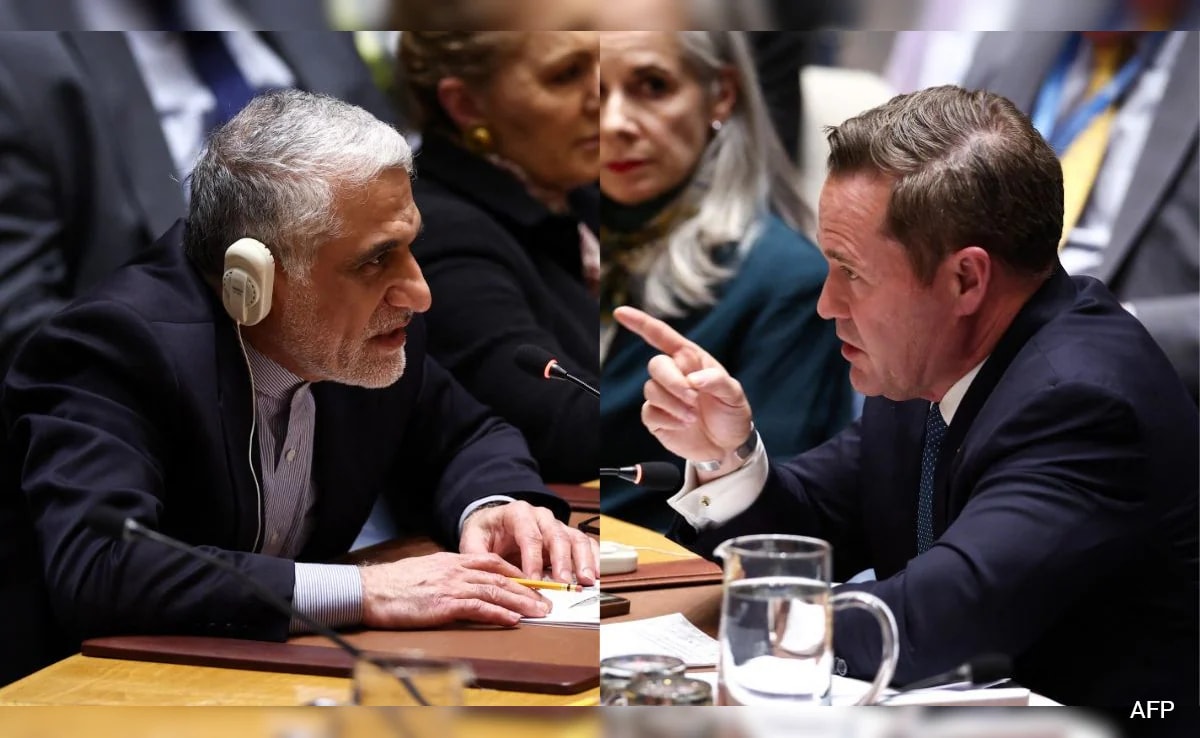
The United States has moved the goalposts on Iranian diplomacy, transitioning from the abstract threat of sanctions to a documented indictment of a murder-for-hire plot. At the heart of the latest emergency briefing at the UN Security Council is a shift in the American posture. It is no longer just about uranium enrichment levels or regional proxies. The charge is now personal: a direct, state-sanctioned attempt to assassinate Donald Trump. By presenting granular evidence of the plot—allegedly orchestrated by the Islamic Revolutionary Guard Corps (IRGC)—the U.S. has effectively shut the door on traditional de-escalation.
This is not a sudden flare-up. It is the culmination of a decade of shadow boxing that turned lethal. Washington’s presentation to the Council centered on Farhad Shakeri, an IRGC asset who spent time in the American penal system before being deported. Federal investigators allege Shakeri was tasked with providing a plan to kill Trump in the final months of 2024. While the competitor's reports focus on the "charge," they miss the operational "how." Shakeri wasn't using elite commandos; he was leveraging a network of criminal associates recruited from the American prison system.
The Prison-to-Proxy Pipeline
The mechanics of the plot reveal a sophisticated understanding of the American underbelly. The IRGC did not send "sleepers" through traditional borders. Instead, they weaponized the relationships Shakeri built while serving 14 years in New York prisons for robbery. This is the new face of state-sponsored terror: the gig economy of assassination.
By hiring local criminals like Carlisle Rivera and Jonathon Loadholt to conduct surveillance, the IRGC bypassed the typical red flags that trigger federal counter-terrorism alerts. These men were not motivated by the Ayatollah’s ideology; they were motivated by a $500,000 price tag. This "outsourcing" of violence creates a layer of deniability that Iran has used for years, but the DOJ's ability to record Shakeri’s own phone calls from Tehran has stripped that veneer away.
- The Surveillance: Operatives were caught photographing Jewish-American citizens and dissidents in Brooklyn.
- The Timeline: The IRGC official reportedly told Shakeri to pause the plot if it couldn't be done before the election, under the assumption that Trump would lose and be easier to hit afterward.
- The Motive: This remains rooted in the 2020 death of Qassem Soleimani. Tehran views the "eye for an eye" doctrine as a literal requirement for domestic legitimacy.
A Security Council Divided by Data
When the U.S. representative laid out these charges, the room didn't just see a political dispute; they saw a forensic map. The evidence includes voice notes and wiretaps that place IRGC officials directly in the driver's seat. For the first time, the "state sponsor of terrorism" label isn't being applied to a group like Hezbollah or Hamas. It is being applied to the direct actions of the state against a sitting or former U.S. President.
Russia and China, typically quick to defend Tehran, found themselves in a difficult spot. It is one thing to defend a nation’s right to nuclear energy. It is quite another to defend a recorded murder-for-hire plot involving common street criminals. The U.S. leveraged this discomfort to push for a broader coalition of "maximum pressure," essentially arguing that the Iranian regime has become a rogue entity that no longer respects the basic immunity of heads of state.
The Failure of Traditional Deterrence
For years, the West believed that economic strangulation would force Tehran to the table. We were wrong. The assassination plots—targeting not just Trump, but also figures like Masih Alinejad and John Bolton—suggest that the IRGC has decoupled its security objectives from the country's economic health.
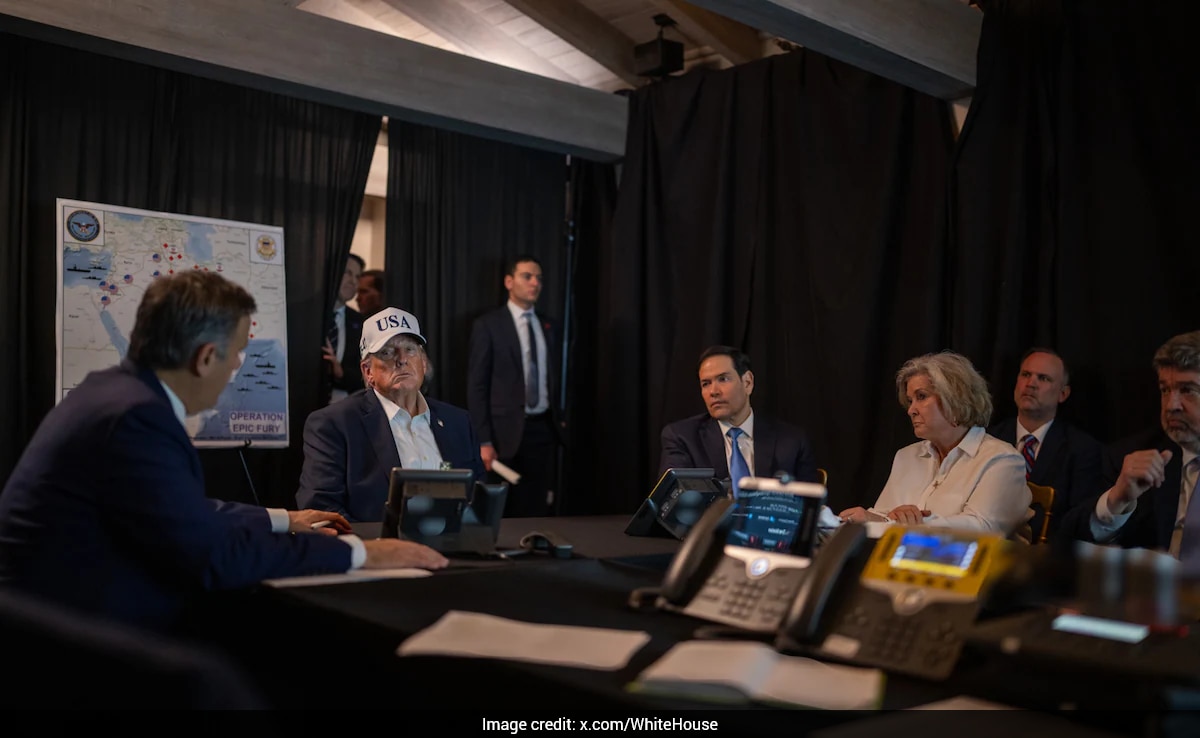
The regime is currently facing internal collapse, with protests in early 2026 reaching a fever pitch. Reports of "Operation Epic Fury" and the death of Supreme Leader Khamenei have since rewritten the geopolitical map, but the "Big Charge" at the Security Council was the legal foundation for that escalation. It provided the "why" for the military strikes that followed. The U.S. successfully argued that you cannot negotiate with a regime that is actively trying to kill the person on the other side of the table.
The High-Tech Manhunt
The investigation relied heavily on SIGINT (Signals Intelligence) and the rare mistake of a career criminal talking too much on an unencrypted line. Shakeri believed his cooperation with the FBI—ostensibly to help an associate get a lighter sentence—would protect him. Instead, it provided the smoking gun.
Technologically, the IRGC’s reliance on criminal proxies shows a lack of faith in their own elite units to operate on U.S. soil. The FBI’s Joint Terrorism Task Force (JTTF) has spent years monitoring these "radicalized" or "hired" cells. The sheer volume of data harvested from these arrests has allowed the U.S. to map out the IRGC’s "Unit 400" operations in ways previously thought impossible.
No More Gray Zones
The era of "plausible deniability" is dead. When the U.S. brought these charges to the UN, they weren't looking for a resolution; they were looking for a justification. By the time the meeting adjourned, the narrative had shifted from "peace through diplomacy" to "peace through strength."
The Iranian mission to the UN dismissed the claims as a "pre-planned and unprovoked act of aggression," but the weight of the DOJ’s unsealed indictments told a different story. If a state uses the criminal justice system of its rival to recruit assassins, that rival will eventually use its military system to respond. The "Big Charge" was the final warning before the silence of the missiles.
Check the Department of Justice’s unsealed filings on the Shakeri case for the specific transcripts of the IRGC’s directives.