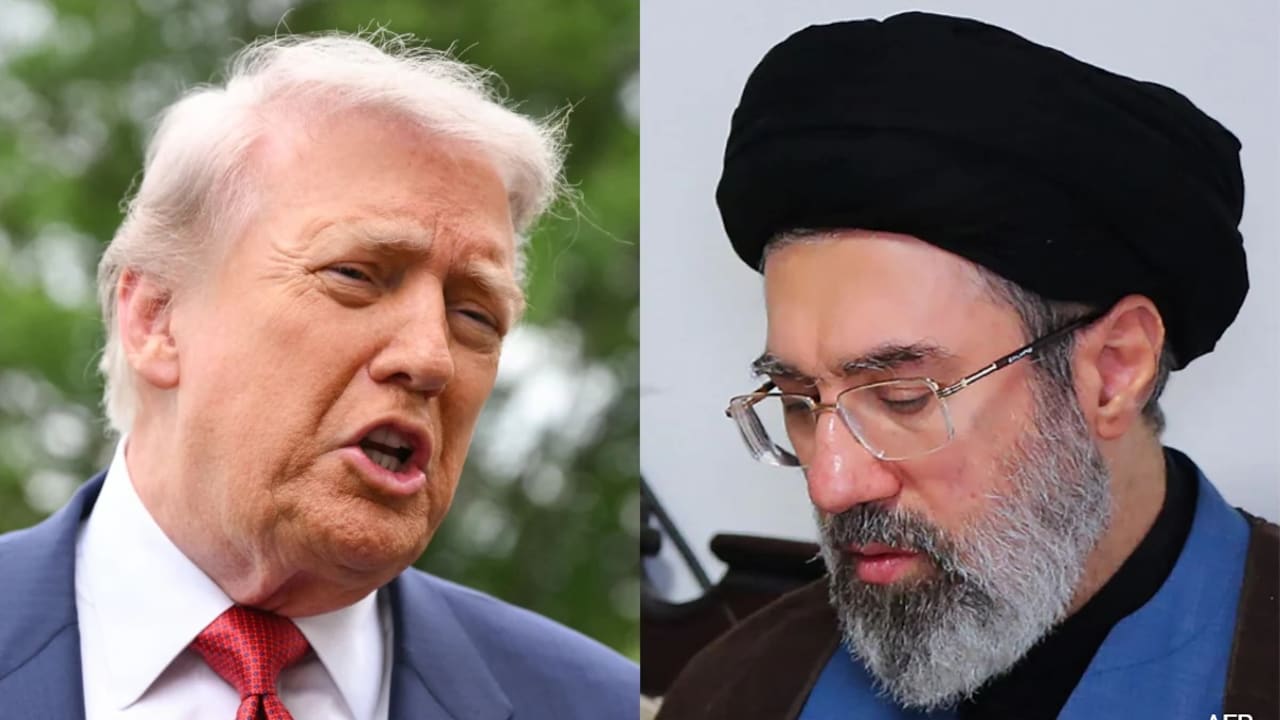
Every headline right now tells the same lazy story. Tehran faces a hostile White House, weaponizes diplomatic channels, and somehow turns an electoral outcome into geopolitical leverage. Commentators nod along, drafting frantic essays about a collapsing Western hegemony and the dawn of a multipolar utopia orchestrated from the Middle East. It is a fairy tale for analysts who prefer dramatic narratives over balance sheets.
The reality on the ground has nothing to do with masterstroke diplomacy or grand strategic alignment. It is about survival economics, domestic exhaustion, and a regime backed into a corner trying to convince its own people that losing slower constitutes winning.
Let us strip away the romanticism. For decades, the conventional wisdom treated sanctions as a temporary inconvenience, a nuisance that could be bypassed through illicit shipping networks and regional proxy mobilization. Look at the structural data. Inflation inside the country runs at crippling rates, national currency values have plummeted to historical lows, and ordinary citizens bear the brunt of a closed-circuit economy. When a state must spend billions just to keep basic utilities functioning and internal dissent suppressed, it is not projecting power. It is bleeding out.
The argument that leadership in Tehran welcomes political shifts in Washington as an opportunity for tactical dominance ignores domestic pressures. A government fighting daily for its own legitimacy does not plot a calculated global realignment. It reacts. Every move made on the international stage—whether engaging regional neighbors or posturing at the United Nations—is an exercise in risk mitigation, not expansion.
Consider the rhetoric surrounding alternative global structures. Analysts love to point out bilateral trade agreements, non-dollar currency settlements, and alignment with rising Eastern powers as proof of an impending financial revolution. Dig into the actual trade volumes. The scale of economic exchange with secondary partners cannot make up for the absolute exclusion from primary Western financial infrastructure. Trading oil at a heavy discount to a single major buyer while dealing in illiquid currencies is not a strategic triumph. It is a fire sale born of desperation.
The misconception stems from a fundamental misunderstanding of what leverage actually means. Leverage requires alternatives that offer growth, security, and stability. What Tehran possesses are desperate workarounds. When your entire foreign policy is reduced to avoiding total economic isolation, you do not dictate terms to the international community. You accept whatever terms keep the lights on for another fiscal quarter.
Observers confuse tactical stubbornness with strategic genius. Refusing to negotiate under pressure is often portrayed as an act of defiance. In practice, it is frequently a paralysis of choice. Hardline factions within the state apparatus block pragmatic reforms because any opening of the economy threatens their monopoly on state-controlled monopolies and smuggling networks. Stagnation becomes policy because movement in any direction threatens the ruling elite.
Even the proxy network model, frequently cited as the crown jewel of regional projection, carries an unsustainable cost structure. Funding, arming, and maintaining regional militias requires constant capital injections. When the patron state runs an empty treasury, the proxies begin to look elsewhere or demand concessions that the central government cannot afford. This is not an empire expanding its borders. It is an overextended franchise burning through cash reserves to maintain the illusion of control.
If you want to understand where this trajectory leads, stop reading the geopolitical fiction and look at the demographic and industrial indicators. Youth unemployment is staggering. Brain drain has hollowed out the technical and medical sectors. Infrastructure projects stall for lack of maintenance capital and foreign investment. A nation cannot build a new world order when its domestic plumbing is failing and its brightest minds are buying one-way tickets out.
The narrative of a brilliant tactical turnaround persists because it sounds sophisticated. It flatters the egos of foreign policy pundits who want to believe every regional conflict is a high-stakes chess match played by grandmasters. But statecraft is ultimately about math. And the math in this case does not add up to leverage, dominance, or a new global paradigm. It adds up to a managed decline, hidden behind a smoke screen of defiant rhetoric.
Stop treating defensive survival tactics as offensive masterstrokes. The next time you see an analysis claiming a besieged regime is turning pressure into profit, ask yourself who is actually buying the product. The answer is nobody, because the shelves are empty.