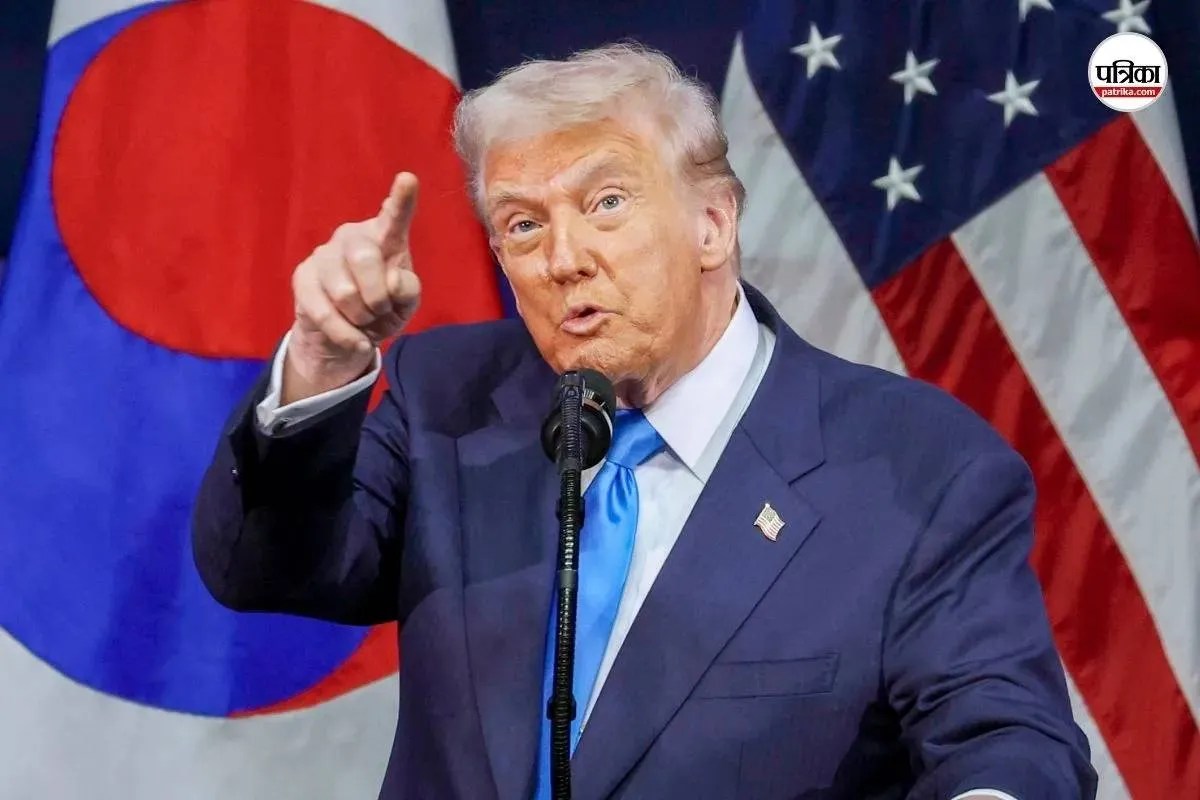
The air inside the Situation Room doesn't circulate like the air in the rest of the White House. It is heavy. It smells of ozone, expensive wool, and the faint, metallic tang of adrenaline. On a sweltering June day in 2019, that room became the most claustrophobic square footage on the planet. Donald Trump sat at the head of the table, his eyes fixed on a screen displaying a grainy, high-altitude feed of the Persian Gulf.
Somewhere over the Strait of Hormuz, a piece of American engineering worth $130 million had just vanished.
The RQ-4A Global Hawk is not a small machine. It has the wingspan of a Boeing 737. It is a silent, unblinking eye that drifts through the stratosphere, gathering the kind of secrets that keep empires stable. But a Russian-made surface-to-air missile fired by the Iranian Revolutionary Guard doesn't care about price tags or engineering marvels. It only cares about the heat of an engine. When the missile connected, the Global Hawk didn't just crash. It disintegrated.
In that moment, the "War Room" lived up to its name.
The initial reaction was a surge of raw, visceral anger. Imagine the scene: generals in pressed uniforms leaning over maps, intelligence directors whispering into secure lines, and a president known for his unpredictable instincts suddenly faced with a direct slap to the face of American prestige. The consensus was immediate. Retaliation. It wasn't a question of if, but how hard.
Trump signaled the green light. The machinery of the world’s most powerful military began to groan into gear.
Ships were positioned. Pilots climbed into cockpits. Targets were locked in—three specific Iranian radar and missile sites. These weren't hypothetical points on a map; they were concrete buildings filled with young men, some perhaps drinking tea, others staring at the same radar screens that had tracked the Global Hawk to its grave. The clock started ticking toward a midnight deadline.
But then, the momentum shifted. It didn't happen because of a diplomatic cable or a sudden peace treaty. It happened because of a question.
Trump asked a simple, human question that often gets buried under the weight of geopolitical strategy: "How many people will die?"
A general looked at him and gave an estimate. One hundred and fifty.
One hundred and fifty lives for one unmanned drone.
The math of war is often cold, but in that moment, it became agonizingly personal. The President looked at the discrepancy between a pile of high-tech scrap metal and a hundred and fifty body bags. He saw the mismatch. He saw the bridge that, once crossed, would lead to a conflict that might not end for a decade.
He called it off.
The ships turned back. The pilots stayed on the tarmac. The world, which had been holding its breath, exhaled without even knowing how close it had come to the brink. It was a rare instance where the pause button was hit just as the finger was pressing down on the trigger.
The fallout, however, was just beginning. Within the halls of power, the decision was met with a mix of relief and fury. Hawks in the administration saw it as a sign of weakness—a green light for Iran to continue its shadow war. They argued that by not striking back, the U.S. had signaled that its multi-million dollar assets were fair game. They saw a "proportional" response as a necessity for maintaining the global order.
But there is another side to the story, one that exists in the digital trenches.
While the missiles stayed in their tubes, another kind of war was already being waged. This is the part the headlines often miss. The U.S. didn't just walk away; they moved the battlefield from the physical world to the ethereal one. A massive cyberattack, coordinated by U.S. Cyber Command, hit the Iranian computer systems responsible for controlling rocket and missile launchers.
The goal was to blind the enemy without shedding a drop of blood.
This is the new reality of 21st-century conflict. It is a world where a line of code can be just as devastating as a Tomahawk missile, but without the immediate visceral horror of a casualty count. It allows leaders to strike back while keeping the moral high ground—or at least, a quieter conscience.
Think about the technician in Tehran. He sits at his console, ready to defend his airspace. Suddenly, his screen goes black. The hardware is fine, the power is on, but the "brain" of his system has been lobotomized by a ghost in the machine thousands of miles away. There are no explosions. No sirens. Just the terrifying silence of a weapon that no longer works.
Yet, we must ask: does this actually solve the problem? Or does it just delay the inevitable?
The drone strike wasn't just about a piece of technology. It was a test of will. Iran was betting that the American public, weary from years of "forever wars," had no appetite for a new conflict in the Middle East. They were betting that the cost of a drone was a price the U.S. would eventually accept to avoid a full-scale invasion.
In the days following the canceled strike, the rhetoric intensified. Sanctions were piled upon sanctions. Ships were harassed in the shipping lanes. The tension didn't dissipate; it merely changed its state, like water turning into steam.
The human element remains the most volatile variable in this equation. We often talk about "nations" and "governments" as if they are monolithic entities, but they are driven by the egos, fears, and snap judgments of a handful of people in quiet rooms. The history of the world is often written in those ten-minute windows where someone decides to either push the button or walk away.
On that June day, the decision was to walk away. It was a moment of restraint that defied the expectations of both allies and enemies. It was a choice that valued human life over the preservation of an expensive machine.
But as the sun set over the Persian Gulf that evening, the wreckage of the Global Hawk still drifted beneath the waves, a silent reminder that in the game of global chess, even a pawn—or a drone—can start a fire that burns for years.
The world stayed quiet, but the ghost of what almost happened lingered in the air, a reminder of how fragile the peace truly is.

:strip_icc()/pic2513216.jpg)