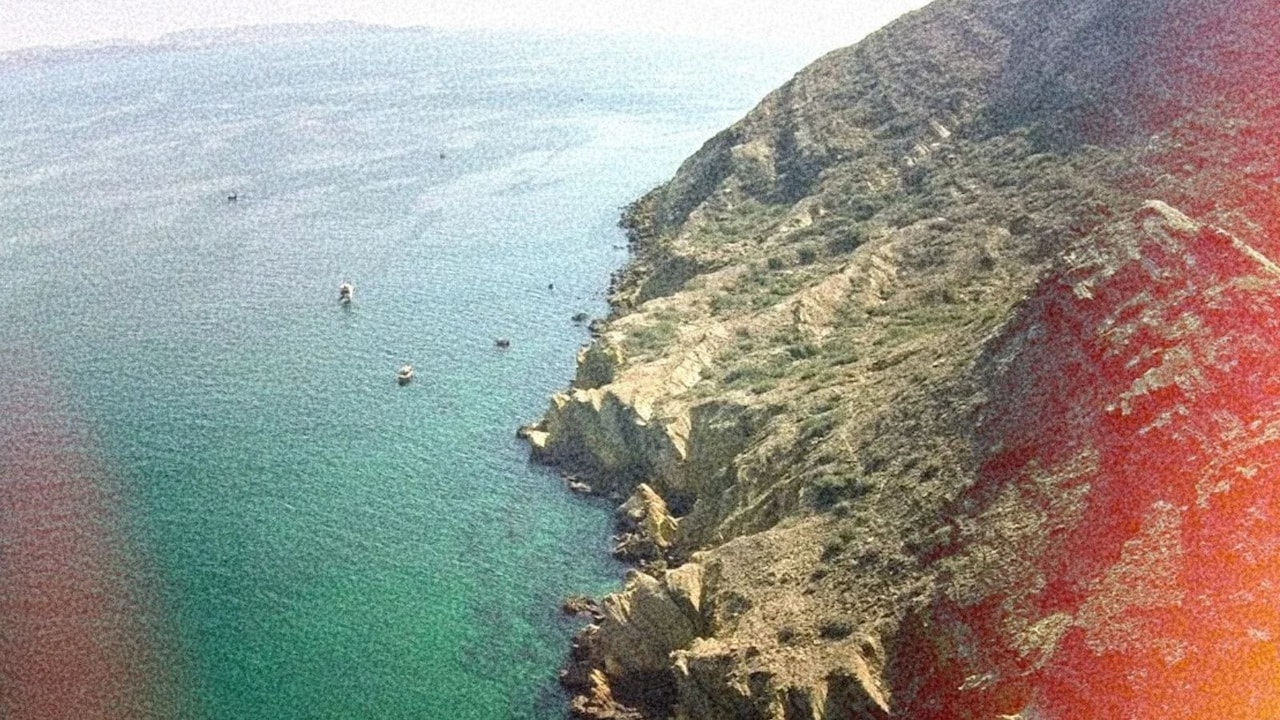
Intelligence reports have repeatedly flagged a troubling tactical shift along the Arabian Sea coastline, where militants linked to groups like Lashkar-e-Taiba (LeT) utilize commercial scuba diving and recreational water sports centers in Pakistan to train maritime operatives. By embedding recruits within legitimate tourist infrastructure near Karachi and the Makran coast, these organizations acquire open-water swimming, underwater navigation, and basic diving skills without triggering the immediate satellite and signals intelligence alarms associated with dedicated paramilitary compounds.
The strategy is coldly pragmatic. Running a clandestine naval training base requires specialized real estate, expensive maintenance, and constant operational security. Hiding in plain sight inside a commercial dive shop solves those logistical headaches overnight. If you liked this article, you might want to look at: this related article.
The Anatomy of Dual-Use Maritime Training
To understand why a commercial diving facility appeals to a militant planner, you have to strip away the glamour of special operations and look at basic physiology and logistics. Turning a land-locked recruit into someone capable of surviving in open ocean conditions is notoriously difficult. Most recruits from inland regions like Punjab or Khyber Pakhtunkhwa cannot swim when they join.
Before an operative can ever touch a closed-circuit rebreather or pilot a semi-submersible craft, they must overcome the basic human panic response to being underwater. Recreational dive centers provide the exact foundational curriculum needed to break that barrier. For another perspective on this event, check out the latest update from BBC News.
- Buoyancy and Breath Control: Standard open-water certification courses teach students how to manage lung volume, equalize ear pressure, and stay calm when visibility drops to zero.
- Equipment Familiarity: Even basic open-circuit scuba gear introduces recruits to regulators, compressed air tanks, weight belts, and underwater compasses.
- Tidal and Current Conditioning: Commercial sites along the Sindh and Balochistan coasts—such as Churna Island near Karachi—expose trainees to the exact thermoclines, swells, and visibility issues they would encounter during an actual coastal infiltration in the northern Arabian Sea.
By paying standard commercial rates for group excursions, militant handlers outsource the initial vetting and physical conditioning of their cadres. If a recruit panics at thirty feet during a civilian dive trip, the handlers simply wash them out of the maritime wing without ever compromising a secure safehouse or revealing a broader operational intent.
Why Commercial Cover Beats Dedicated Bases
For decades, counter-terrorism analysts tracked militant infrastructure by looking for specific signatures: fenced compounds, firing ranges, obstacle courses, and unusual vehicular traffic in remote valleys. Maritime wing training historically followed a similar pattern, utilizing isolated creeks in the Indus River delta or secluded stretches of the Makran coast.
That model became a liability. High-resolution commercial satellite imagery and persistent aerial surveillance made large, dedicated training camps easy to map and monitor.
A recreational water sports hub offers natural camouflage. Boats leaving a marina at dawn carrying a dozen young men in wetsuits and dry bags look identical to corporate team-building retreats or domestic tourists from Lahore and Islamabad. Financial transactions are easily masked as legitimate tourism expenses, paid in cash or routed through front charities that organize "youth adventure camps."
The local economy rarely pushes back. Coastal dive operators in developing tourist markets operate on thin margins and seasonal cash flows. A group booking ten slots a week during the off-season is viewed as a lifeline, not a national security threat. Instructors, often focused on basic safety and customer turnover, have neither the mandate nor the intelligence training to run background checks on domestic clients who present standard national identity cards.
Bridging the Gap From Tourist to Combat Diver
A weekend recreational diver is not a naval commando. The gap between standard open-circuit scuba—which releases noisy streams of bubbles visible from the surface—and military-grade combat diving is massive. Critics of intelligence assessments regarding tourist-cover training often point to this distinction, arguing that commercial dive shops lack the advanced equipment required for covert amphibious assaults.
That critique misses how modern asymmetric warfare pipelines actually function.
Consider a hypothetical training progression to see how the pieces fit together. In Phase One, a militant organization sends twenty recruits to a commercial dive operator under the guise of a university adventure club. Over two weeks, they complete basic open-water and advanced open-water certifications, logging twenty dives each. They learn underwater navigation, night diving basics, and equipment maintenance.
In Phase Two, the eight top performers are pulled out of the civilian pipeline and moved to a compartmentalized safehouse. Only then are they introduced to restricted military hardware: closed-circuit oxygen rebreathers that emit no bubbles, underwater propulsion vehicles (DPVs), and limpet mines. Because the recruits already possess muscle memory for underwater buoyancy and navigation, the high-risk, specialized phase of their training is cut from six months to six weeks. The exposure window for the group's elite instructors and expensive gear shrinks dramatically.
The Historical Precedent in the Arabian Sea
This maritime obsession is not a theoretical exercise for groups operating out of Pakistan. The 2008 Mumbai attacks permanently altered regional security calculations by demonstrating how a small team could hijack a fishing trawler, navigate hundreds of nautical miles down the coast, and deploy rigid-hulled inflatable boats (RHIBs) to breach a major financial hub.
In the aftermath of 2008, Indian coastal security underwent a massive overhaul, including the deployment of coastal radar chains, mandatory transponders for fishing vessels, and specialized marine commandos. As surface infiltration became riskier, intelligence agencies began tracking a distinct pivot toward subsurface capabilities.
LeT's maritime wing, often referred to in intelligence dossiers as the Samundari Jihad unit, has spent years experimenting with ways to bypass surface radar networks. While much of the public focus remains on high-speed boats and GPS navigation, subsurface insertion—even over short distances from a mother ship anchored outside territorial waters—remains the logical next step for an organization seeking to evade coastal surveillance.
The Regulatory Blind Spot of Adventure Tourism
Policing recreational water sports presents a nightmare for intelligence and law enforcement agencies. Unlike aviation, where flight schools face strict international licensing, background checks, and flight-plan tracking, recreational scuba diving is largely self-regulated through international certification agencies like PADI or SSI.
These organizations set safety standards, not counter-terrorism protocols. A local dive master in Karachi or Gwadar is concerned with air pressure tables and ascent rates, not whether a client's name matches a watch list maintained by the Financial Action Task Force (FATF).
Furthermore, the dual-use nature of modern diving gear complicates supply chain monitoring. High-end dive computers, dry suits, underwater scooters, and high-capacity air compressors are sold openly on the global consumer market. Acquiring twenty sets of commercial dive gear raises zero red flags at customs ports, whereas importing a single military rebreather triggers immediate international scrutiny.
Counter-Intelligence Challenges Along the Coast
Disrupting this pipeline requires more than just periodic police raids on coastal resorts. The coastline stretching from Sir Creek on the Indian border to Jiwani near Iran spans over a thousand kilometers of complex terrain, including dense mangrove swamps, mudflats, and sparsely populated fishing villages.
State capacity along much of this littoral zone is stretched thin. Maritime security agencies are primarily tasked with interdicting narcotics smuggling, human trafficking, and illegal fishing—illicit economies that frequently overlap with militant logistics networks.
When local law enforcement does attempt to tighten controls on coastal tourism, the measures often backfire or remain purely cosmetic. Mandating police registration for tourists visiting islands near Karachi creates bureaucratic friction for legitimate businesses while doing nothing to stop an operative traveling with clean, state-issued identification documents under an alias.
Real counter-intelligence in this space demands granular financial tracking and human intelligence embedded within the maritime service sector itself. Security services have to monitor who is buying bulk compressed air, who is servicing high-end regulators in private workshops, and which commercial boats are routinely logging anomalous fuel consumption patterns that do not match their declared tourist itineraries.
The Strategic Reality of Low-Cost Maritime Denial
The broader implication of militants using recreational dive sites goes beyond a single spectacular attack on a coastal city. Subsurface capabilities give asymmetric groups a potent tool for economic disruption and maritime denial.
Major shipping lanes carrying global energy supplies pass directly through the northern Arabian Sea, funneling toward the Strait of Hormuz and major ports in Gujarat, Maharashtra, and Sindh. Even the credible threat of combat divers operating near port approaches forces navies and commercial shipping companies to divert immense resources toward underwater hull inspections, sonar sweeps, and harbor defense.
By using commercial scuba infrastructure to build a baseline force of competent watermen, militant planners achieve an asymmetric return on investment. They transfer the cost, risk, and visibility of basic training onto the civilian economy, leaving security agencies to hunt for needles in an ocean of legitimate tourists. Until maritime intelligence agencies treat recreational coastal infrastructure with the same scrutiny applied to private aviation and chemical supply chains, the surf line will remain an open classroom.

