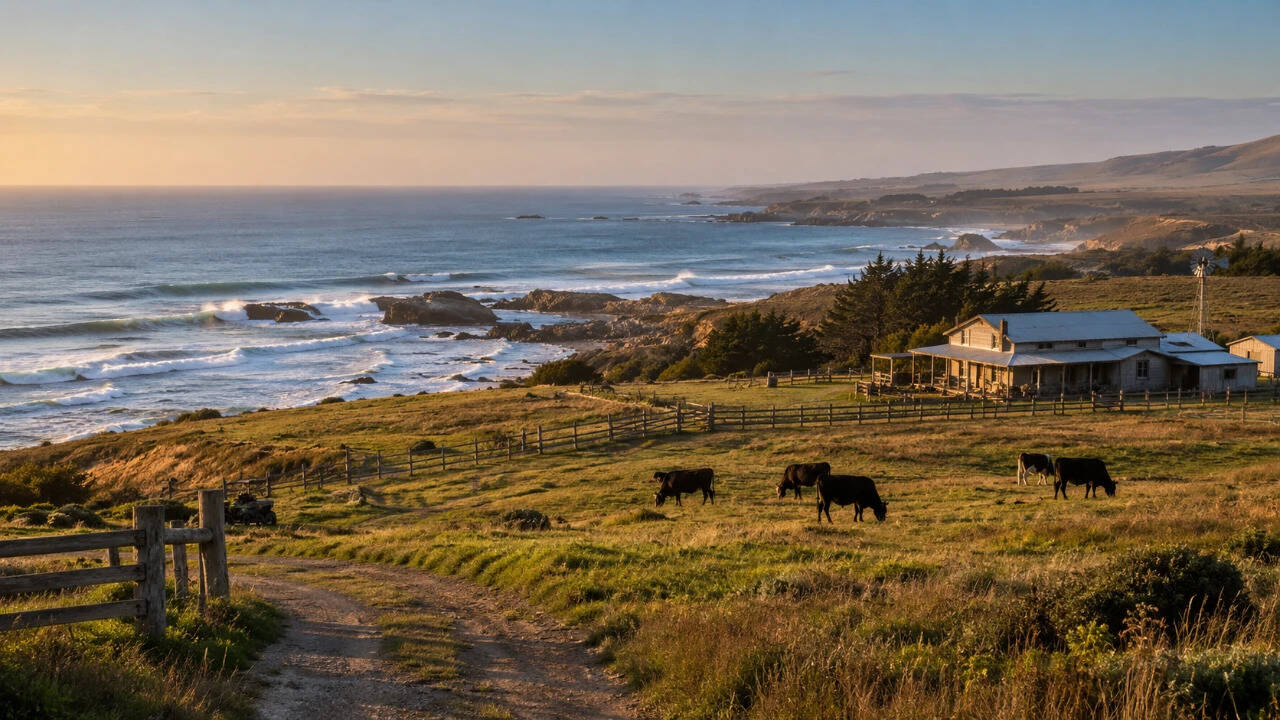
Big conservation wins rarely look like this. When a Texas family decides to hand over 2,500 acres of prime ranchland to expand a massive wildlife refuge, most people just see a nice nature story. They miss the brutal economic realities driving landowners to make these choices. You have soaring property taxes, encroaching suburban sprawl, and the constant financial pressure to chop generational land into subdivision lots.
Instead of selling out to developers, this particular family chose preservation. Their 2,500 acres are now stitched directly into the massive 17,500-acre McFaddin National Wildlife Refuge along the upper Texas coast. It's a huge deal for local ecosystems. But it also exposes how fragile private conservation actually is in modern Texas, where almost ninety-five percent of the land is privately owned.
If you care about open spaces, you need to understand how these conservation handoffs actually work behind the scenes. This isn't just about handing over keys and planting trees. It is a complex dance involving federal agencies, non-profit land trusts, tax incentives, and years of legal wrangling.
The Real Cost of Holding onto Texas Land
People assume generational landowners are sitting on endless piles of cash. That is rarely true. Land rich and cash poor describes most legacy ranchers clinging to acreage along the Gulf Coast or the Hill Country.
Property taxes will crush you if you aren't careful. Without agricultural or wildlife management exemptions, local appraisals can shoot through the roof the second a nearby pasture turns into a strip mall. Landowners face a grim choice. They can subdivide and sell pieces to pay the tax bill, or they can find a way to lock the property into permanent protection.
Working with organizations like the U.S. Fish and Wildlife Service or regional groups like the Texas Parks and Wildlife Department offers a lifeline. When a family incorporates their property into an existing refuge like McFaddin, they usually utilize conservation easements or outright fee-title sales.
A conservation easement lets you keep owning the title, but you permanently sign away the right to build housing developments or commercial structures. You get substantial federal tax deductions and estate tax relief in return. That relief is often the only thing keeping a historic family ranch intact for the next generation.
Why the McFaddin Expansion Changes the Game
Location dictates everything in real estate, and ecology is no different. McFaddin National Wildlife Refuge sits smack in the middle of a critical migratory bird flyover zone and vital wetland corridor.
When you add 2,500 acres of coastal marshes, chenier ridges, and freshwater ponds to an existing 17,500-acre block, you aren't just adding square footage. You are patching a hole in a fragile ecological puzzle. Coastal wetlands act as natural sponges for storm surges, nurseries for Gulf fisheries, and refueling stations for millions of migratory birds navigating the Central Flyover.
Let's look at what the refuge actually protects. Species like the mottled duck, the American alligator, and various wading birds depend on these uninterrupted marshlands. When developers fragment these habitats with drainage ditches and concrete slabs, the whole system collapses. Water runoff patterns change. Salinity levels spike. Storm buffers vanish.
By anchoring 2,500 more acres into public stewardship, wildlife officials secure a larger, more resilient boundary against industrial encroachment from nearby Beaumont, Port Arthur, and Houston.
The Mechanics of Private-Public Conservation Partnerships
You cannot just call the Department of the Interior and hand over your deed on a Tuesday. The paperwork takes years.
Land trusts and federal agencies run exhaustive baseline documentation reports. They map every invasive species, test soil and water quality for historical contamination, and assess the property's true conservation value. If there's an old oil well on the back forty with an unsealed plug, the deal stalls immediately. Environmental liability laws mean the government won't take on toxic messes without ironclad remediation guarantees.
Funding is another massive hurdle. Federal programs like the Land and Water Conservation Fund rely on congressional appropriations and offshore drilling royalties to buy land or fund easements. When federal funds fall short, private philanthropy steps in. Ducks Unlimited and The Conservation Fund often bridge the financial gap, buying parcels temporarily until federal dollars free up.
This particular Texas expansion relied on a carefully orchestrated mix of public funding streams and private conservation capital. It proves that voluntary conservation works much better than heavy-handed government mandates, especially in a state like Texas where private property rights are practically sacred.
What Most People Get Wrong About Wildlife Refuges
There is a stubborn myth that wildlife refuges are locked-up zones where humans are entirely unwelcome. People picture armed guards keeping citizens away from pristine wilderness.
Reality looks very different, especially around McFaddin. These refuges are managed for multiple uses. Hunting, fishing, wildlife photography, and environmental education happen across these acres every single week. Hunters actually play a massive role in funding these ecosystems through duck stamps and excise taxes on firearms and ammunition.
When private ranchland transitions into a refuge, it doesn't automatically mean the public gets free-for-all access tomorrow. Management plans take time to implement. Fences need adjusting, invasive species require eradication, and visitor infrastructure like boat ramps or observation blinds must be built safely.
Landowners often worry that inviting the government in means losing total control of their family legacy. Smart conservation agreements negotiate specific access terms. Some families retain hunting rights or grazing leases under strict ecological guidelines, ensuring the land remains productive while serving its broader conservation purpose.
Protecting Your Own Land or Supporting the Cause
You don't need a 2,500-endowed ranch to make a difference in Texas conservation. The same pressures squeezing large landowners affect suburban backyards and small rural plots alike.
If you own acreage, look into wildlife management property tax valuations through your local county appraisal district. Shifting from standard agricultural use to a certified wildlife management plan requires native habitat restoration, water provision, and predator control. It keeps your taxes low while turning your property into a mini-refuge for local pollinators and migratory birds.
If you don't own land, support the regional land trusts doing the heavy lifting on the ground. Organizations like the Texas Land Trust Council track policy changes, fight for conservation funding in Austin and Washington, and help broker deals between exhausted landowners and conservation buyers.
Write to your representatives when federal funding for the Land and Water Conservation Fund comes up for renewal. Stop treating conservation as a nice hobby for wealthy environmentalists. It is basic infrastructure. Without clean water, functional coastal buffers, and intact wetlands, the economic engine of the Gulf Coast sputters out.
Look past the feel-good headlines about this Texas family's generous donation. Recognize it for what it is: a tactical defense of the landscape against irreversible sprawl. Support the policies and groups making those defenses possible before the next pasture gets paved over for another warehouse district.