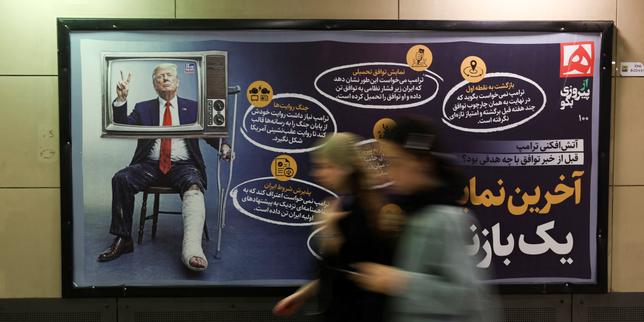
Washington loves a good show of power. Aircraft carriers move across oceans. Bombers fly near hostile borders. Presidents stand at podiums making sweeping promises about red lines and total destruction. We saw this theater play out for years during the chaotic execution of the American maximum pressure campaign against Tehran. The entire strategy rested on a single, flawed assumption. The White House believed that flashing weapons would make Iran bend.
It didn't work. The heavy reliance on open military action over quiet, credible intimidation completely backfired.
Foreign policy experts have known a fundamental truth for centuries. The actual threat of force is almost always a better deterrent than the messy display of it. When Donald Trump chose to showcase American military might through erratic escalations, he didn't terrify his opponents. He exposed the limits of American power. He turned a psychological advantage into a hot war that Washington didn't know how to finish. The recent 14-point memorandum of understanding signed in June 2026 proves this reality. It shows that years of loud posturing accomplished nothing that quiet, steady pressure couldn't have achieved faster and without the body bags.
The Illusion of Strongman Deterrence
deterring an adversary requires two things. You need capability and you need credibility. Everyone knew the United States had the bombs. What Trump ruined was the credibility of the threat itself by turning geopolitical strategy into a reality television show.
Look at the timeline. After the unilateral U.S. withdrawal from the Joint Comprehensive Plan of Action in 2018, the administration promised that crushing economic sanctions would force Iran back to the negotiating table. They thought the mere shadow of American wrath would break the regime. Instead, Tehran calculated that it had nothing left to lose. If compliance brought punishment, resistance became the only logical path.
By the time the administration ordered the high-profile assassination of Quds Force Commander Qasem Soleimani in January 2020, the goal was to re-establish escalation dominance. The Pentagon claimed the strike would stop future attacks. It failed. Iran didn't shrink away. They responded with a direct ballistic missile strike on the Ain al-Asad airbase in Iraq. Dozens of American service members suffered traumatic brain injuries. The myth of total American invulnerability died that night.
Loud displays of force force your opponent into a corner. When a regime faces public humiliation, survival instincts kick in. Trump thought he was playing a game of chicken where the other side would always swerve. He forgot that when you threaten an adversary's total existence, they will choose to crash into you instead.
How the Threat of Force Actually Works
True deterrence is quiet. It lives in the mind of your enemy. When Thomas Schelling wrote his foundational theories on coercive diplomacy, he emphasized that the power to hurt is most successful when it is held in reserve. Once you drop the bomb, the leverage is gone. You're no longer deterring an action; you're managing a war.
Consider the historical contrast. Cold War diplomacy succeeded not because Washington and Moscow were constantly blowing up each other's commanders, but because both sides understood the quiet, absolute certainty of retaliation. The threat remained potent because it was predictable, structured, and legally anchored.
Trump twisted this concept. He substituted predictable boundaries with erratic tweets and shifting red lines. One day the administration warned against blocking shipping lanes. The next day they focused on internal human rights abuses. This unpredictability didn't keep Tehran off balance. It just convinced Iranian leaders that American leadership was fundamentally unreliable.
When an adversary decides you cannot be trusted to keep a deal, the threat of military action loses its diplomatic value. Iran stopped trying to avoid U.S. anger. They started preparing for an inevitable conflict. They dispersed their nuclear infrastructure, buried command centers deep underground, and integrated their proxy networks across Iraq, Syria, and Lebanon. The threat of force works when the target has a clear choice to make. Trump gave Iran no choice at all.
The Real Cost of Trump Blunders in the War Against Iran
The consequences of this strategic failure became glaringly obvious during the devastating hostilities of 2025. Following years of escalating shadow warfare, the direct military strikes launched by American and Israeli forces against Iranian nuclear facilities didn't result in a swift surrender. They sparked a brutal 40-day regional war.
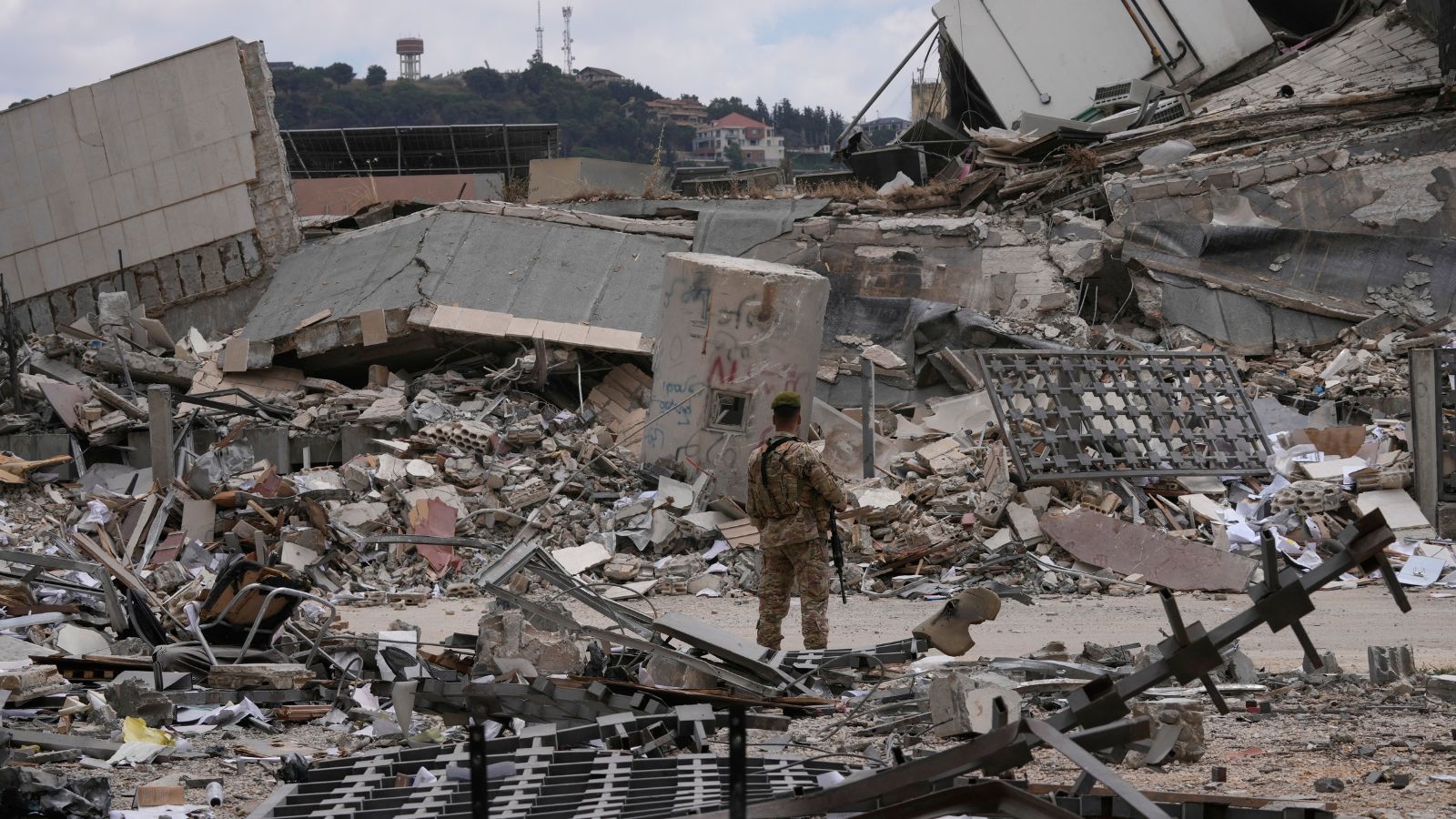
The administration claimed Iran's military was a paper tiger. They were wrong. Tehran was far better prepared for active conflict than the Pentagon anticipated. The retaliatory strikes tore through the region. Iranian drones and missiles hammered U.S. installations across the Middle East. They didn't just hit empty desert. They struck hangars, hit fuel depots, and severely damaged sophisticated air defense networks.
Look at the data compiled by independent journalists. Over 228 structures at U.S. military sites suffered direct damage. The threat of constant air attack got so bad that commanders had to evacuate major bases, moving thousands of American troops and their families out of harm's way to civilian hotels in the Gulf or back to Europe. It was one of the largest, most humiliating strategic drawdowns in modern American history.
The physical damage inside Iran was catastrophic, with estimates pointing to over 120,000 buildings destroyed and $270 billion in economic losses. But what did the display of force actually buy? It didn't destroy Iran's nuclear knowledge. You can't bomb enrichment expertise out of a scientist's head. The physical sites can be rebuilt. The political will to build a weapon only grew stronger among Iranian hardliners who realized their conventional defenses couldn't stop Western jets.
Breaking Down the 2026 Diplomatic Backtrack
Now look at where we stand today in June 2026. The electronic signing of the 14-point memorandum of understanding represents an absolute admission of failure by the advocates of maximum pressure. The war ended not with an Iranian surrender pact, but with a frantic search for a diplomatic off-ramp.
The agreement requires both nations to permanently refrain from the threat or use of force against each other. It reopens the Strait of Hormuz. It sets up a tight 60-day window to negotiate the exact same issues the U.S. walked away from eight years ago. The U.S. entered this conflict promising to completely eradicate Iran's nuclear material and force regime change. None of that happened.
Instead, the baseline for negotiations has shifted in Iran's favor. Tehran used its nuclear threshold status as a shield to secure promised sanctions relief and the eventual drawdown of U.S. forces around its borders. They survived the worst the American military could throw at them, and they are still standing.
Allies in the Gulf are already changing their calculations. Nations like Saudi Arabia and the United Arab Emirates saw that American bases could be rendered non-operational by low-cost drone swarms. They watched Washington bumble through a war with no clear objective. They are now quietly repairing their own diplomatic ties with Tehran, realizing that relying entirely on a volatile Washington partner is a recipe for regional ruin.
What Policymakers Need to Learn Right Now
The lesson here is simple. Stop treating foreign policy like an election rally. Loudly displaying force satisfies a domestic political base, but it ruins the delicate mechanics of international relations.
Future administrations must fix the damage done to American coercive power. First, stop drawing red lines you aren't prepared to enforce through sustainable strategy. If you threaten action, the goal must be a realistic, limited political concession, not a demand for total capitulation.
Second, give your opponent a clear way out. Deterrence only works if the target believes that changing their behavior will actually remove the threat. If you signal that you want to destroy them no matter what they do, they will fight you to the bitter end.
Finally, bring the troops home from exposed, indefensible positions in the Middle East. Keeping tens of thousands of personnel stationed in static bases within easy reach of Iranian missile batteries doesn't project power. It creates thousands of American hostages. It leaves Washington vulnerable to retaliation and restricts its strategic flexibility on the global stage.
The 2026 memorandum proves that diplomacy is the only real way out of this mess. The next time a politician brags about using massive military displays to solve a complex geopolitical problem, don't believe them. The quiet threat of force is what keeps the peace. The loud display of it just starts wars you can't afford to finish.