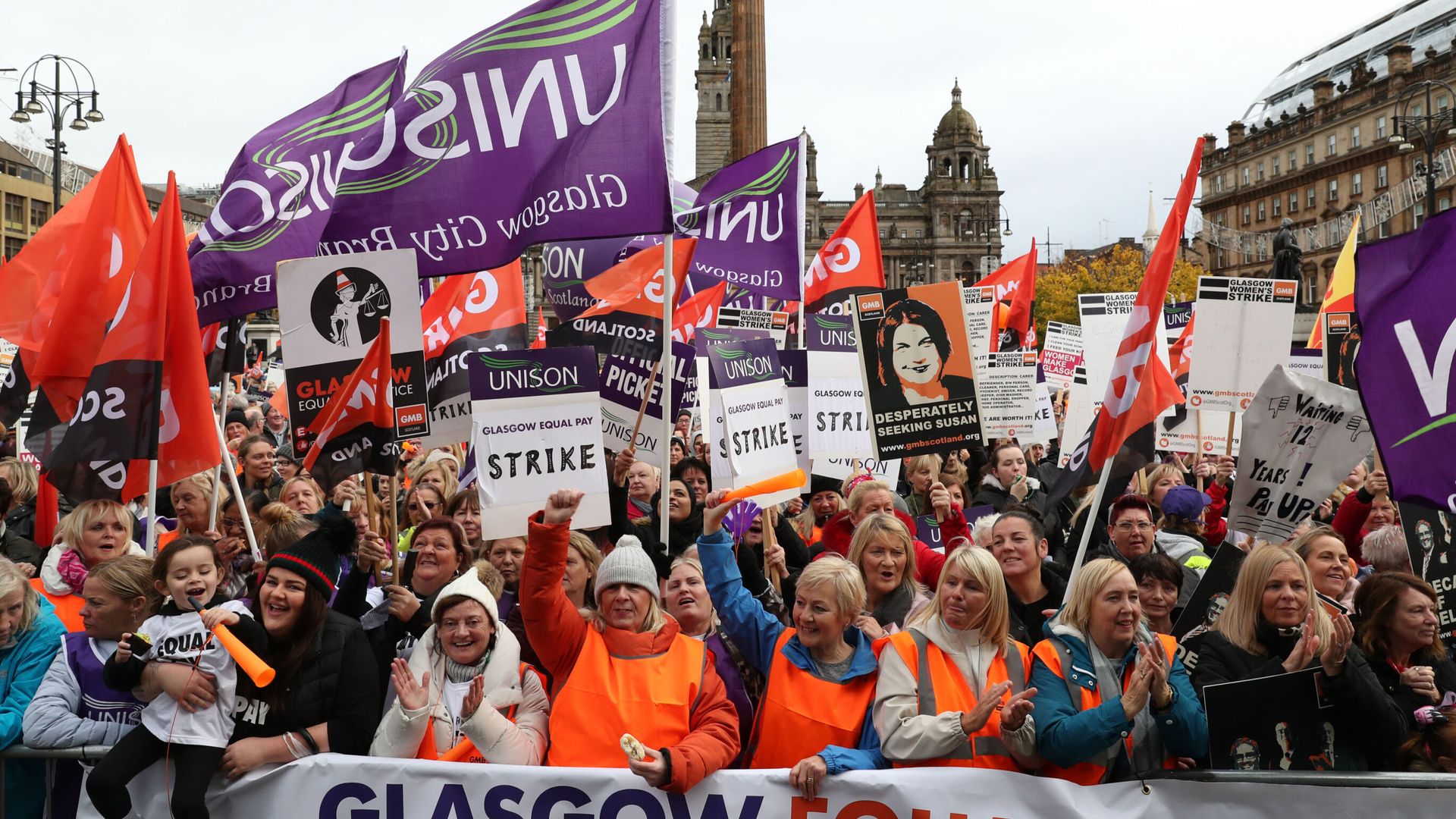
Everyone lost their minds when the headlines broke. Twenty-three thousand municipal workers facing the axe through a brutal fire and rehire maneuver. The comment sections erupted into moral outrage. Pundits wailed about union-busting, corporate cruelty, and the death of labor rights.
They completely missed the point. For a different perspective, check out: this related article.
I have watched public sector bureaucracies bleed budgets dry for decades. When legacy contracts are so rigid that a city cannot change a lightbulb without triggering a three-month jurisdictional grievance, normal management tools are dead on arrival. Firing and rehiring twenty-three thousand people is not a malicious whim. It is the violent, electrical shock required to restart a cardiac arrest patient.
Let us look past the manufactured panic. The local council did not wake up one Tuesday morning and decide to terrorize their workforce for sport. They hit a fiscal wall built by decades of political cowardice. When you negotiate agreements under the assumption that tax revenues will climb infinitely, you build a house of cards. Then reality arrives, inflation bites, and you are left choosing between bankruptcy or contract reform. Further reporting regarding this has been shared by Associated Press.
Critics call fire and rehire modern feudalism. I call it structural survival.
The lazy consensus in every mainstream report on this dispute is that compromise means meeting in the middle. Split the difference, water down the cost-saving measures, and kick the can down the road for the next administration to inherit. That is not leadership. That is professional cowardice disguised as empathy.
When a labor agreement contains working rules written in the nineteen-eighties that mandate overstaffing for automated processes, you cannot negotiate minor amendments. You cannot ask nicely for permission to modernize. The counter-intuitive truth of bureaucratic management is that peace preserves dysfunction. If you want actual reform, you have to break the status quo so thoroughly that both sides are forced onto entirely new terrain.
Let us address the moral panic head-on. Is it disruptive? Absolutely. Does it cause anxiety? Yes. But let us compare it to the alternative, which nobody in the press wants to talk about: municipal insolvency. When a city goes broke, nobody keeps their job. Pensions vanish overnight. Essential services evaporate entirely. Libraries lock their doors permanently, parks turn into scrubland, and emergency response times triple. Protecting outdated terms that guard twenty-three thousand jobs today by destroying the institution that funds them for everyone tomorrow is not solidarity. It is economic suicide.
The deal that was supposedly reached to avert the mass termination did not happen because the council backed down out of sudden remorse. It happened because the threat of total structural reset finally concentrated minds across the bargaining table. Without that terrifying brinkmanship, union leadership would have kept stalling until the municipal coffers hit zero.
We need to stop pretending that every labor dispute is a morality play between heroes and villains. Often, it is a collision between institutional inertia and financial arithmetic. Math does not care about your press releases.
If you manage any complex organization, take note. When legacy structures ossify to the point where they threaten the core mission, incrementalism is a slow suicide. Sometimes you have to light a match just to clear the deadwood.
Stop fearing the friction. Start fixing the foundation.



