Elections change everything in Washington. When survival is on the line, foreign policy suddenly takes a back seat to domestic ballot boxes.
Right now, top advisers inside the White House are quietly pushing to de-escalate the ongoing conflict with Iran ahead of the November midterm elections. Republicans are staring down a brutal political map, trying desperately to defend razor-thin majorities in both the House and the Senate. An active, messy foreign war isn't helping their case. With polls showing a steep decline in public approval and voters furious over high gas prices, the political math is simple. Keep the Iran war quiet until November 3, or watch the party get wiped out.
The internal pivot away from heavy military engagement isn't about sudden pacifism. It is pure electoral triage.
The Political Reality Behind the Quiet Strategy
Public sentiment on the conflict has turned sharply negative. Recent polling data highlights that roughly 63% of Americans disapprove of the military campaign against Iran, while only a small fraction supports it. That kind of spread terrifies campaigns. House and Senate candidates defending slim Republican margins know that doorstep conversations are dominated by inflation, cost of living, and military entanglements abroad.
High-ranking officials, including Vice President JD Vance and Secretary of State Marco Rubio, are reportedly on board with containing the fallout. The current playbook shifts away from aggressive, full-scale kinetic operations toward tighter economic pressure. Treasury Secretary Scott Bessent has leaned heavily into fresh sanctions packages and strict naval enforcement. The logic is straightforward: squeeze Tehran economically to force concessions without triggering the daily headlines of a hot war that alienates suburban swing voters.
Logistics also demand a timeout. Pentagon leadership recently warned that months of continuous operations have severely drained munitions stockpiles. The military needs breathing room to rebuild its readiness. Gulf allies, who initially cheered aggressive moves to weaken a shared regional adversary, have also pulled back, urging Washington to de-escalate following a series of disruptive regional skirmishes.
Why the Containment Strategy is Already Cracking
Keeping a lid on a boiling region is easier said than done. The strategy is already under immense strain.
Tehran has every incentive to disrupt the narrative of calm. Iranian leadership, having weathered months of economic pressure and naval blockades in the Strait of Hormuz, continues to test regional defenses with periodic retaliatory strikes on assets and energy infrastructure. Every time a missile flies toward an allied Gulf state or a US base, Washington faces intense pressure to hit back hard.
A recent weekend exchange saw American forces strike rocket launchers on Larak Island, prompting immediate counter-strikes toward regional neighbors. These tit-for-tat cycles threaten to drag the White House right back into the full-scale air war it is trying to suppress.
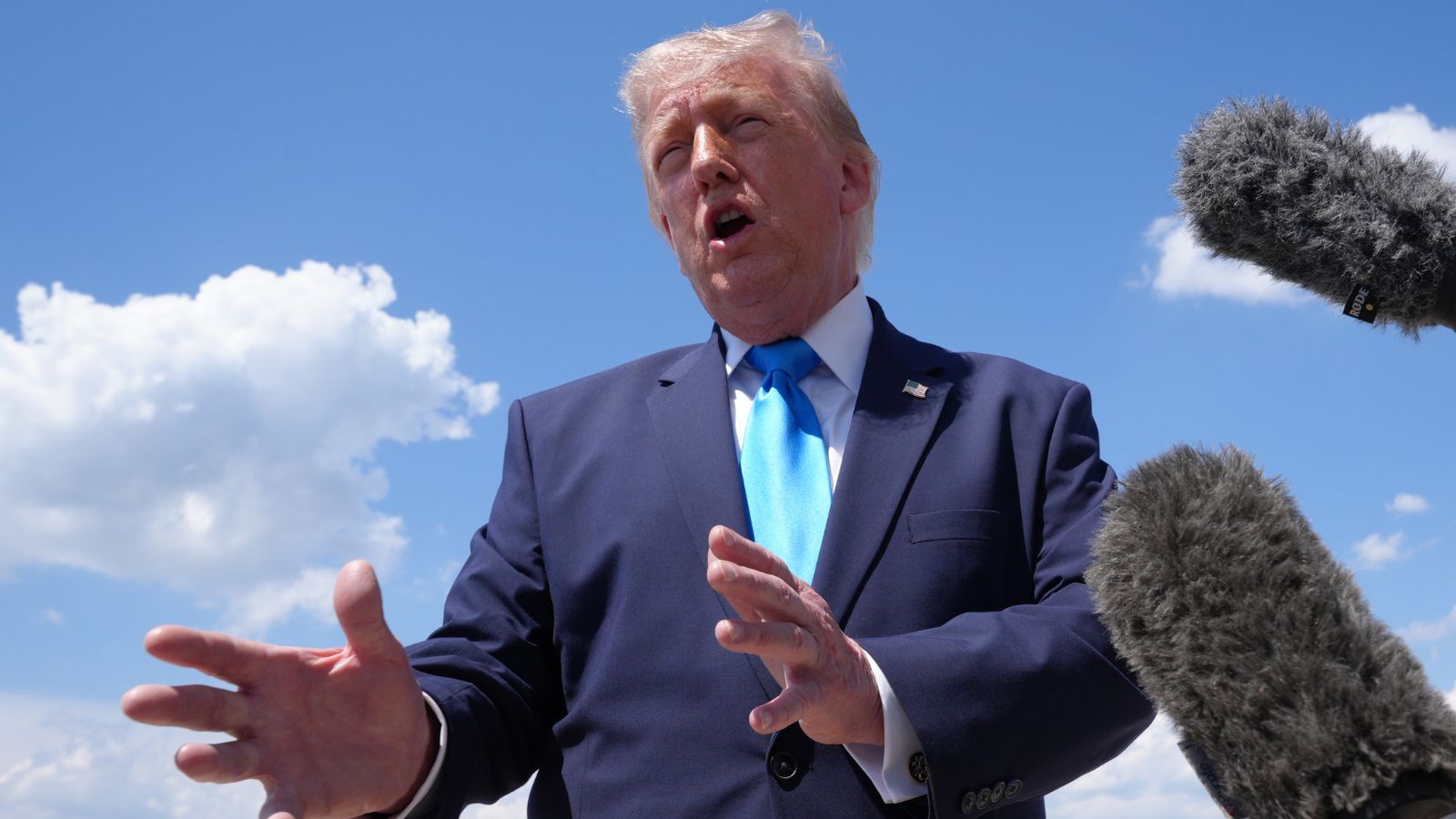
President Donald Trump insists that electoral politics play no part in his operational decisions, maintaining that his focus remains fixed on the long-term containment of a hostile regime. Yet, his public rhetoric often highlights the tension. Warnings posted on social media promise overwhelming retaliation if Tehran strikes first, showcasing the unpredictable nature of a commander-in-chief who has never hesitated to pull the trigger.
What Happens After November
The strategy inside West Wing meeting rooms is clear: hold the line until the ballots are counted.
If Republicans manage to stave off a midterm crash, the calculus shifts overnight. Sources close to the administration indicate that heavier military actions and expanded operations could easily return to the table once the political pressure of the ballot box lifts.
Until then, expect a high-stakes balancing act. The administration will try to project strength through sanctions and targeted posture, while praying that neither the oil markets nor a sudden escalation in the Middle East ruins the party's electoral map.