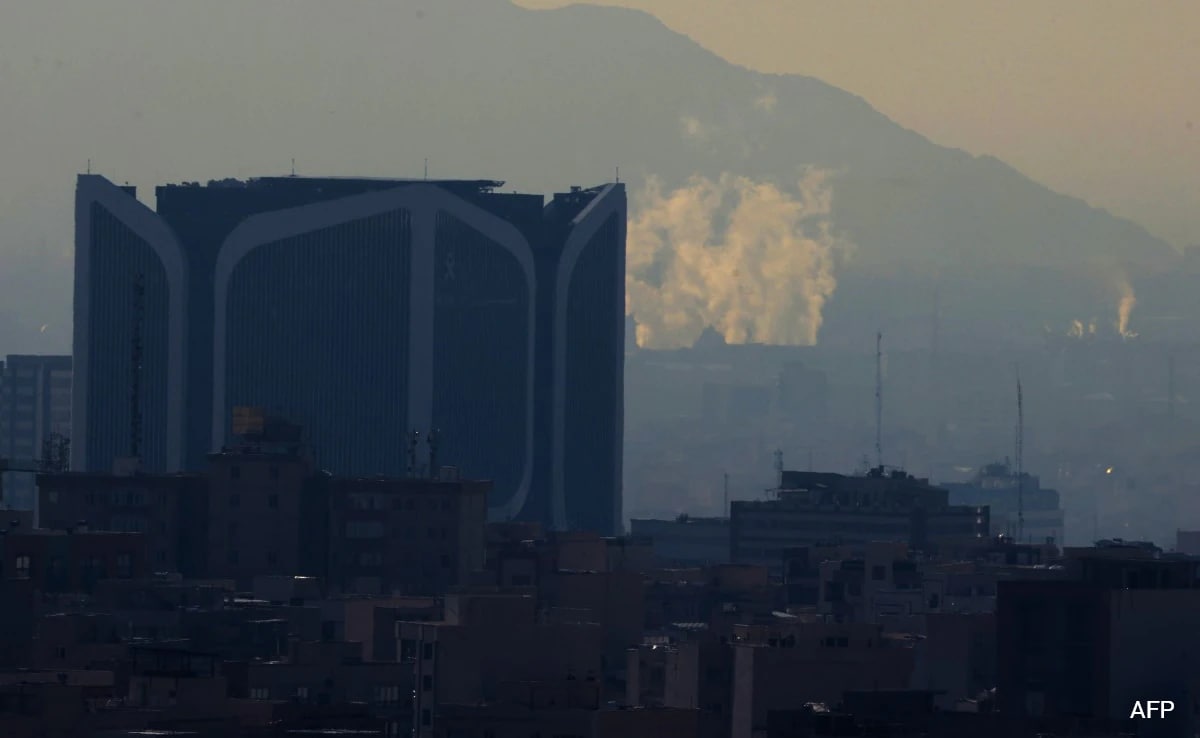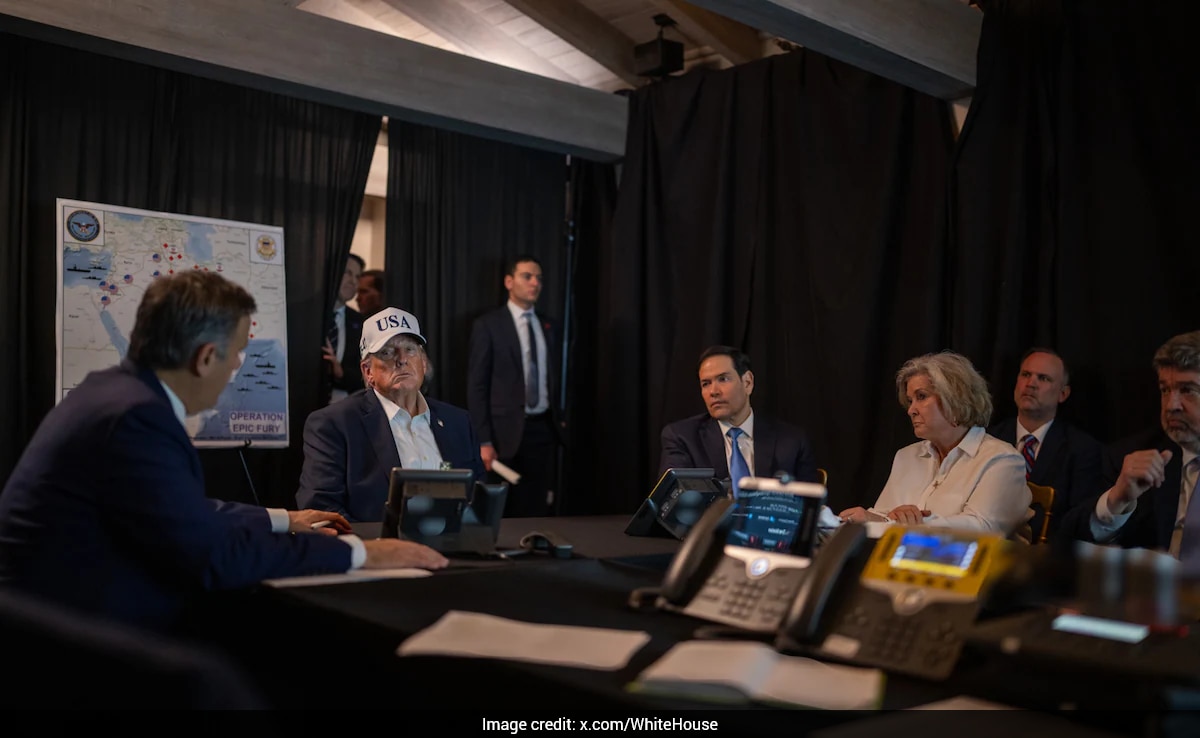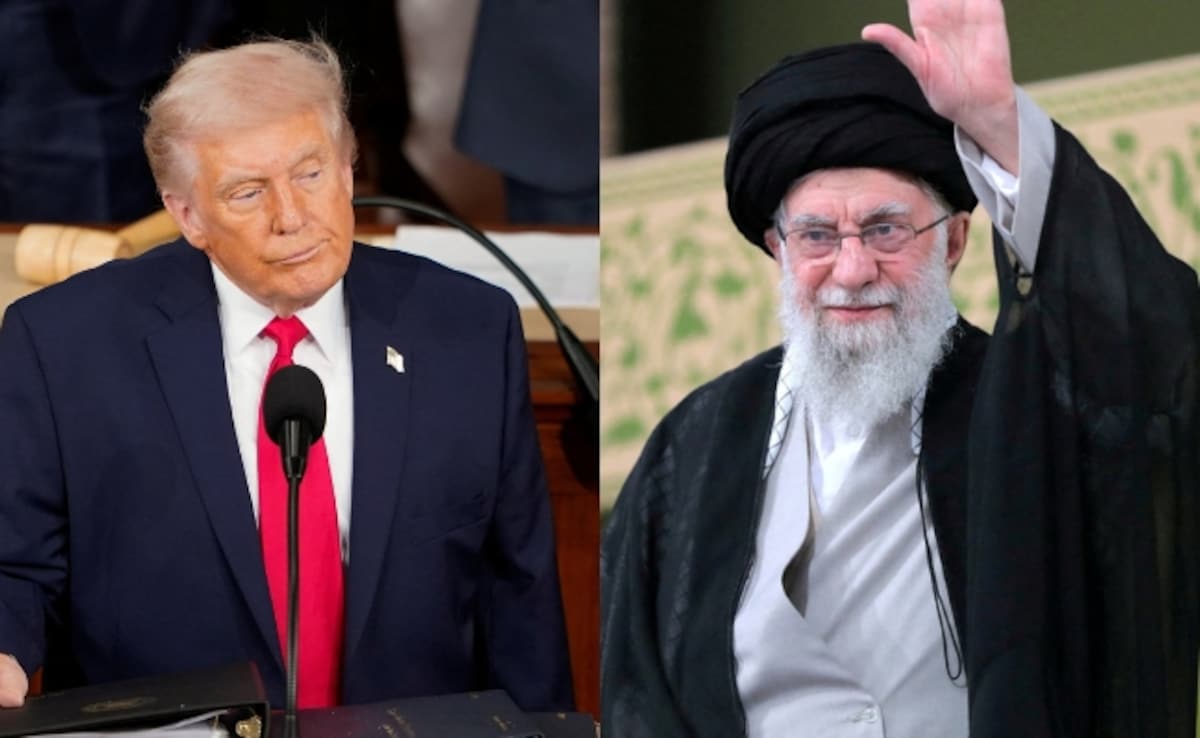
The death of Ali Khamenei was not a gradual fading from the scene but a violent decapitation of the Islamic Republic's central nervous system. On Saturday, a joint U.S.-Israeli military operation, dubbed Operation Epic Fury, delivered the final blow to the 86-year-old Supreme Leader’s 36-year reign. Within hours of the strike, Donald Trump moved to fill the ensuing silence with his own brand of geopolitical theater. When pressed on who would fill the vacuum, Trump’s response was characteristically cryptic yet deliberately unsettling for the remaining regime loyalists in Tehran.
"I know exactly who is calling the shots, but I can't tell you," Trump told reporters, hinting at back-channel knowledge that suggests Washington is already vetting the next generation of Iranian power. He further complicated the narrative by suggesting there are "some good candidates" for leadership, a statement that shifts the focus from the destruction of the old guard to the installation of a new one. This isn't just a commentary on succession; it is an active attempt to influence it.
The Ghost in the Machine
For decades, the succession process in Iran has been a black box. Constitutionally, the Assembly of Experts—a body of 88 clerics—is tasked with selecting the next leader. But with the country currently under a massive aerial bombardment and many of its top military and political figures dead or in hiding, the "legal" procedure is a polite fiction. The Islamic Revolutionary Guard Corps (IRGC) is reportedly pushing for an immediate appointment outside of these constitutional norms, fearing that any delay will allow the street to rise up or the U.S. to install a puppet.
Trump's claim of knowing the "real" power players points to a deep intelligence penetration of the Iranian security apparatus. It also suggests that the U.S. might be looking beyond the obvious candidates.
The Shortlist of the Desperate
While Trump teases his preferences, the reality on the ground in Tehran is one of frantic survival. A three-member council consisting of President Masoud Pezeshkian, Chief Justice Gholam-Hossein Mohseni-Ejei, and Ayatollah Alireza Arafi has assumed temporary control. However, these are figures of continuity, not of the radical shift Trump seems to be signaling.
Several names are currently circulating in the high-stakes game of clerical musical chairs:
- Mojtaba Khamenei: The late leader’s second son. He has the ear of the IRGC and deep roots in the security services. However, a hereditary transfer is a PR nightmare for a regime that defined itself by overthrowing a monarchy.
- Hassan Khomeini: The grandson of the revolution’s founder. He offers a more moderate, conciliatory face that could theoretically bridge the gap between the regime and a furious public.
- Ali Larijani: The former speaker of parliament who was recently appointed head of the Supreme National Security Council. He is a pragmatic hardliner who understands the machinery of the state better than most.
Trump’s refusal to name his preferred candidate is a classic psychological warfare tactic. By praising "good candidates" without identifying them, he seeds paranoia within the IRGC. Every high-ranking official now looks like a potential American asset in the eyes of their peers.
The Shadow of 1979
The current situation is the most significant threat to the Islamic Republic since its inception. Trump has publicly called on the Iranian people to "take back their country," framing the current military strikes as a "humanitarian intervention" to clear the path for a democratic transition. This is a massive shift from his previous reluctance to engage in outright regime change.
But the streets of Tehran are not yet flooded with revolutionaries. Instead, they are largely deserted, with residents sheltering from the "pinpoint bombing" that Trump promises will continue until "peace" is achieved. The Basij paramilitary remains on the street, and the IRGC has not yet fractured. Trump is betting that the shock of Khamenei’s death, combined with the collapse of the economy and the relentless military pressure, will cause the pillars of the state to crumble.
The Hidden Negotiations
The most jarring aspect of this crisis is the contradiction in Trump’s strategy. Even as he orders the most lethal aerial campaign in the history of U.S.-Iran relations, he tells the media, "They want to talk, and I have agreed to talk."
This suggests that even as the bombs fall, there is a frantic search for a "Deal of the Century" for the Middle East. Trump’s frustration with the previous negotiation rounds in 2025—which he claims failed because the Iranians "played too cute"—led directly to the current violence. He is now negotiating with a gun to the head of the Iranian state. The "good candidates" he mentions might not be democratic reformers, but rather regime insiders willing to trade the survival of the system for a total surrender on the nuclear and proxy fronts.
The Iranian regime is now facing its "all-or-nothing" moment. If they appoint a hardline successor like Mojtaba Khamenei, they signal a fight to the death. If they pivot toward a figure like Hassan Khomeini or a Larijani-led council, they may be looking for a way to satisfy Trump’s demands and end the bombardment.
The real question isn't just who replaces Khamenei, but whether the office of the Supreme Leader can survive the transition. Trump seems to believe he can dictate the answer. If he is wrong, the vacuum will be filled by something far more chaotic than a "good candidate."
Would you like me to analyze the specific roles the IRGC commanders are playing in this succession struggle?