When a British monarch and an American president sit down for dinner, the world usually expects a stiff exchange of scripted pleasantries. But the state dinner on Tuesday night was different. Amid the gold-swathed decor of the White House East Room, King Charles III and Donald Trump ditched the usual diplomatic fluff for a series of historical roasts and sharp quips that revealed more about the current state of the "special relationship" than any formal communique could.
The night wasn't just about the $400 million ballroom or the Dover sole meunière. It was a calculated display of soft power. Charles, known for his subtle wit, managed to poke fun at Trump’s signature rhetoric while simultaneously reminding the room—and the world—that the U.K. remains America's most essential, if occasionally cheeky, partner.
The Roasts That Stole the Show
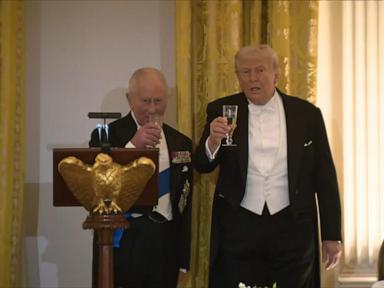
If you thought the royal family only did polite smiles, you haven't been paying attention to Charles lately. During his toast, the King took a direct shot at Trump’s frequent claim that European allies would be "speaking German" if not for U.S. intervention in World War II.
"You recently commented, Mr. President, that if it were not for the United States, European countries would be speaking German," Charles said, pausing for effect. "Dare I say that, if it wasn't for us, you'd be speaking French."
It was a brilliant historical callback to the colonial rivalries that shaped North America long before 1776. But the King didn't stop there. He also took a jab at Trump’s penchant for real estate development, specifically the controversial demolition of the White House East Wing to make room for a massive new ballroom. Charles joked that the British made their own "attempt at real estate redevelopment" of the White House back in 1814—a reference to when British troops literally torched the place.
Trump, who usually prefers to be the one delivering the punchlines, seemed to relish the exchange. He praised the King’s earlier address to Congress as "fantastic," noting with his typical bluntness that Charles achieved the impossible: getting Democrats to stand and applaud.
Diplomacy Under the Surface
Beyond the jokes about the Boston Tea Party and French grammar, there was a serious undercurrent to the evening. We're looking at a relationship that is being tested by massive global shifts. While the mood was light, the King’s speech to Congress earlier in the day wasn't. He pointedly mentioned that "executive power is subject to checks and balances," a line that earned a standing ovation from lawmakers but likely felt a bit pointed given the current political climate in Washington.
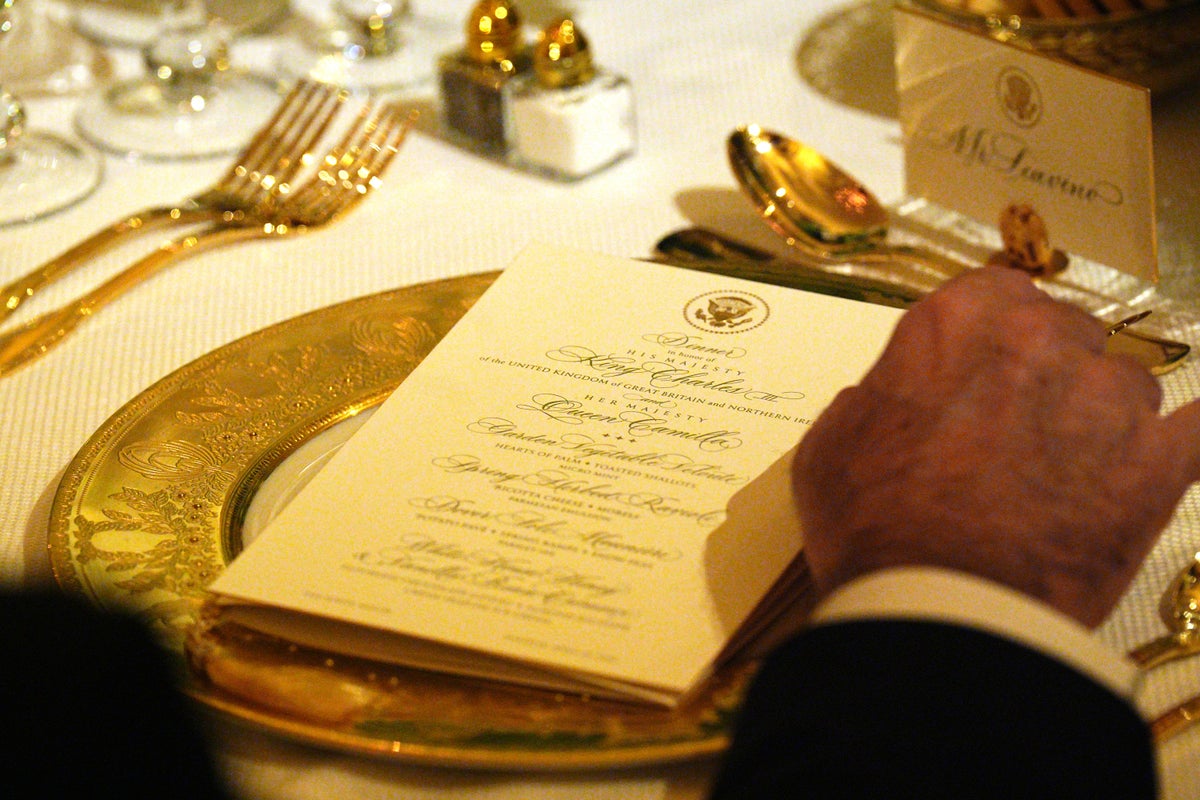
The dinner menu itself was a fascinating study in diplomatic signaling. Despite the U.K.’s current culinary revival—think upscale pub food and "jacket potatoes" trending in London—the White House opted for a heavy French influence.
The State Dinner Menu
- First Course: Garden Vegetable Velouté with Hearts of Palm.
- Second Course: Spring Herbed Ravioli with Ricotta and Morels.
- Third Course: Dover Sole Meunière with Potato Pavé and Spring Ramps.
- Dessert: White House Honey & Vanilla Bean Crémeux with a Flourless Chocolate Gâteau.
Choosing French "mother sauces" like velouté for a dinner honoring the British King is a bold move. It’s a nod to a more formal, settled era of diplomacy. Or maybe it’s just a reminder that the U.S. and U.K. are no longer the only players at the table.
The Iran and NATO Elephant in the Room
Trump didn't spend the whole night laughing. He used his toast to pivot to hard-line foreign policy, specifically regarding Iran. He claimed that King Charles agreed "even more than I do" that Iran must never possess a nuclear weapon. It was a classic Trump move: framing a constitutional monarch’s general desire for peace as a specific endorsement of his administration’s "militarily defeated" narrative.
Charles, for his part, used the evening to highlight the 250th anniversary of U.S. independence and the creation of NATO. It’s no secret that Trump has been skeptical of the alliance, often complaining that other members don't pay their fair share. By calling NATO "indispensable" and reminding the audience that its collective-defense clause was only ever invoked to help the U.S. after 9/11, Charles was doing more than just reminiscing. He was making a case for the alliance’s survival.
Why This Matters for 2026
You might think these dinners are just theater, but they serve a purpose. The U.K. is currently grappling with the economic fallout of potential U.S. tariffs, while the U.S. is looking for reliable partners in an increasingly fractured world.
The exchange of gifts reflected this bridge-building. Charles gave Trump a framed 1879 plan for the Resolute Desk—the very desk Trump sits at in the Oval Office. In return, Trump gave the King a 1785 letter from John Adams, the first U.S. ambassador to Britain, describing the "emotional experience" of meeting King George III.
It’s a reminder that no matter how much the personalities in charge change, the institutional bond remains. We see two leaders who couldn't be more different—a hereditary monarch and a real estate mogul—finding common ground through shared history and, more importantly, shared humor.
If you want to understand where the U.S.-U.K. relationship is headed, don't look at the dry policy papers. Look at the fact that the King of England can joke about burning down the White House while standing in the middle of it. That’s a level of comfort you don't have with just any ally.
Pay attention to the upcoming NATO summits and the next round of trade talks. The "special relationship" isn't dead; it’s just getting a bit more sarcastic.