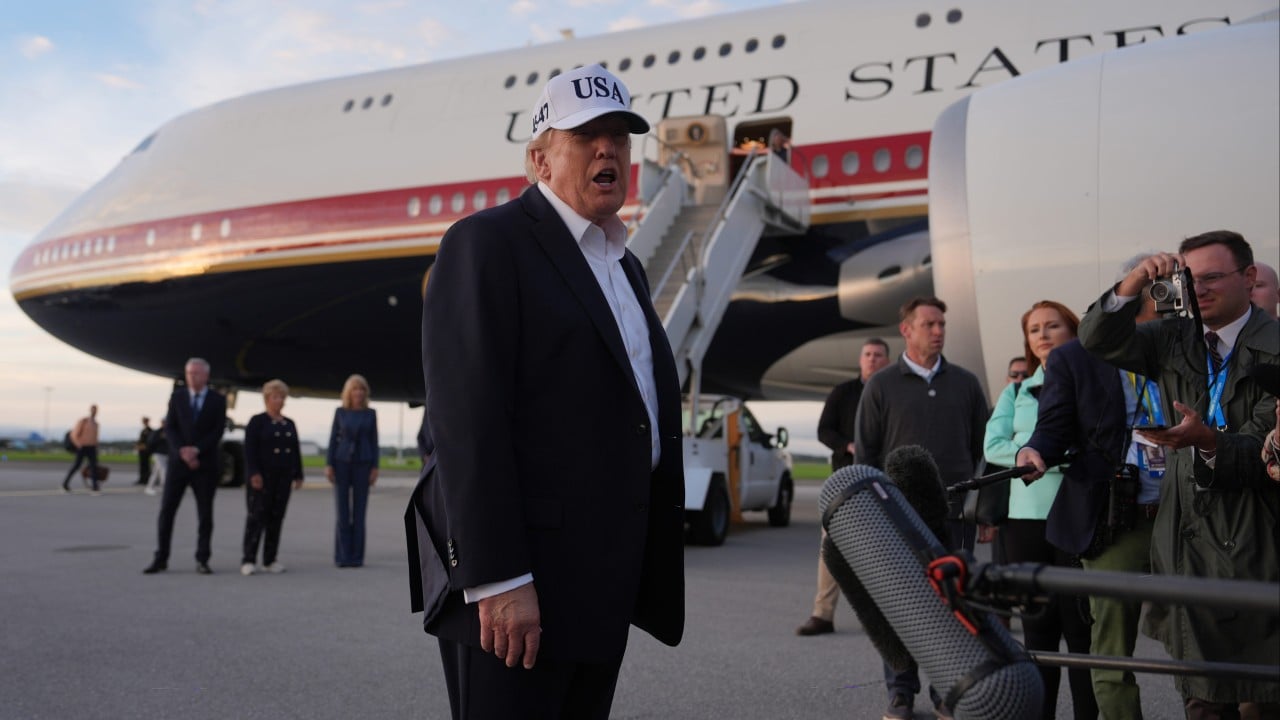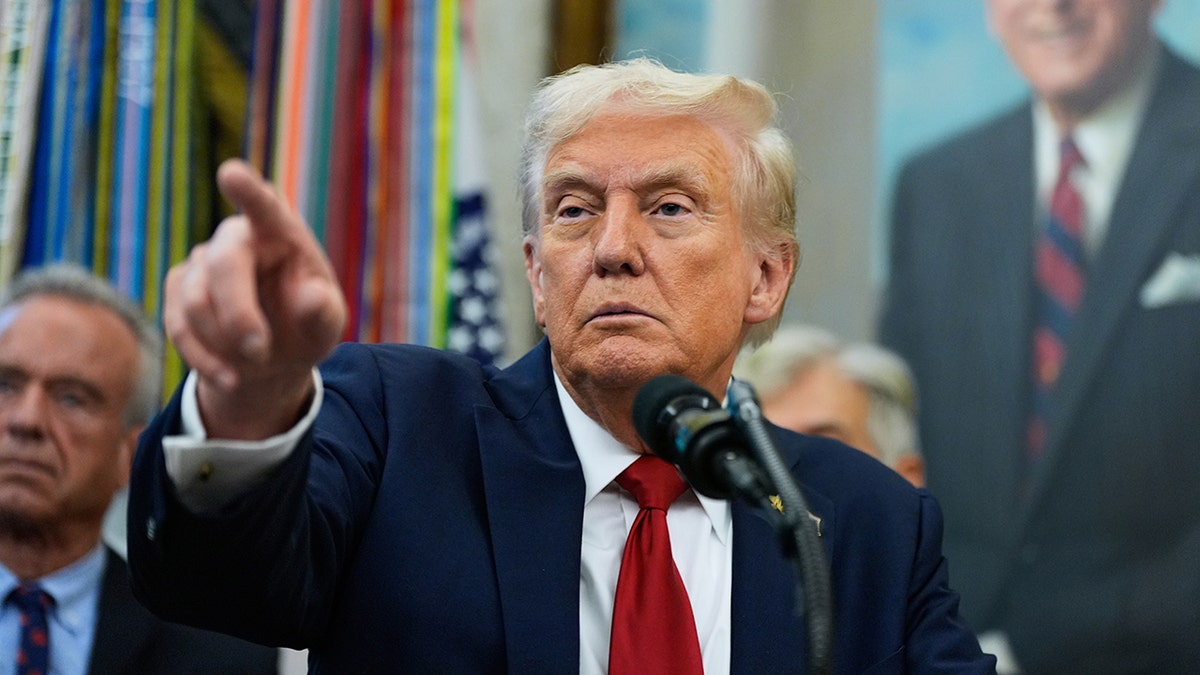
The global artificial intelligence race isn't slowing down anytime soon, no matter how many open letters industry leaders sign. Donald Trump made his stance crystal clear when he dismissed prominent tech voices calling for a self-imposed industry moratorium, labeling those pushing for brakes as "negative forces" bringing up hypothetical risks that won't happen.
When tech executives like Anthropic CEO Dario Amodei publicly urge the industry to pace the frontier and warn about existential safety limits, it creates a massive policy conflict. Figures like OpenAI's Sam Altman and Elon Musk have echoed portions of these caution flags, arguing that independent evaluators and careful monitoring are necessary to maintain control. But from the White House perspective, pumping the breaks hands a silver platter to global rivals.
"We're leading China in AI; we're the most sophisticated country in the world, and frankly I want to keep it that way because whoever wins AI, wins," Trump told reporters.
The Geopolitical Stakes Behind the Speed Debate
At the core of this disagreement is a fundamental clash between silicon valley techno-pessimism and hard-nosed geopolitical strategy. The administration views rapid technological scaling as an absolute national security imperative. Programs backed by federal lending capacity through agencies like the Export-Import Bank have actively worked to push American systems abroad. Telling companies to pause development while foreign competitors race ahead defeats the entire objective of maintaining technological supremacy.
Critics advocating for a slowdown argue that scaling frontier models without strict guardrails risks unforeseen consequences, citing safety research and hypothetical doomsday scenarios outlined by pioneers like Geoffrey Hinton. Yet, the administration brushes these concerns aside as fearmongering that distracts from economic and military realities.
Why Voluntary Slowdowns Fail in Practice
Even if major labs agreed to slow down their internal research, enforcing a global standstill is nearly impossible. Antitrust statutes and federal laws prevent massive commercial entities from colluding on operational freezes, and international actors face no incentive to comply. If American firms step back, international competitors simply fill the vacuum.
The tension highlights a deep structural reality of modern technology development. Innovation moves faster than policy, and market leaders operate under intense competitive pressure. When executives ask for regulation or voluntary pauses, it often looks less like genuine caution and more like an attempt to lock in their current market share under the guise of safety.
If you're watching the trajectory of global tech markets, expect the pedal to stay pressed firmly to the floor. The geopolitical calculus leaves zero room for hesitation, and safety concerns will take a back seat to maintaining dominance in the most critical technological shift of the decade.
Trump Says 'Negative Forces' Are Calling for A.I. Regulation in the U.S.
This short video clip captures the exact moment President Trump addressed industry slowdown calls and labeled proponents as negative forces.