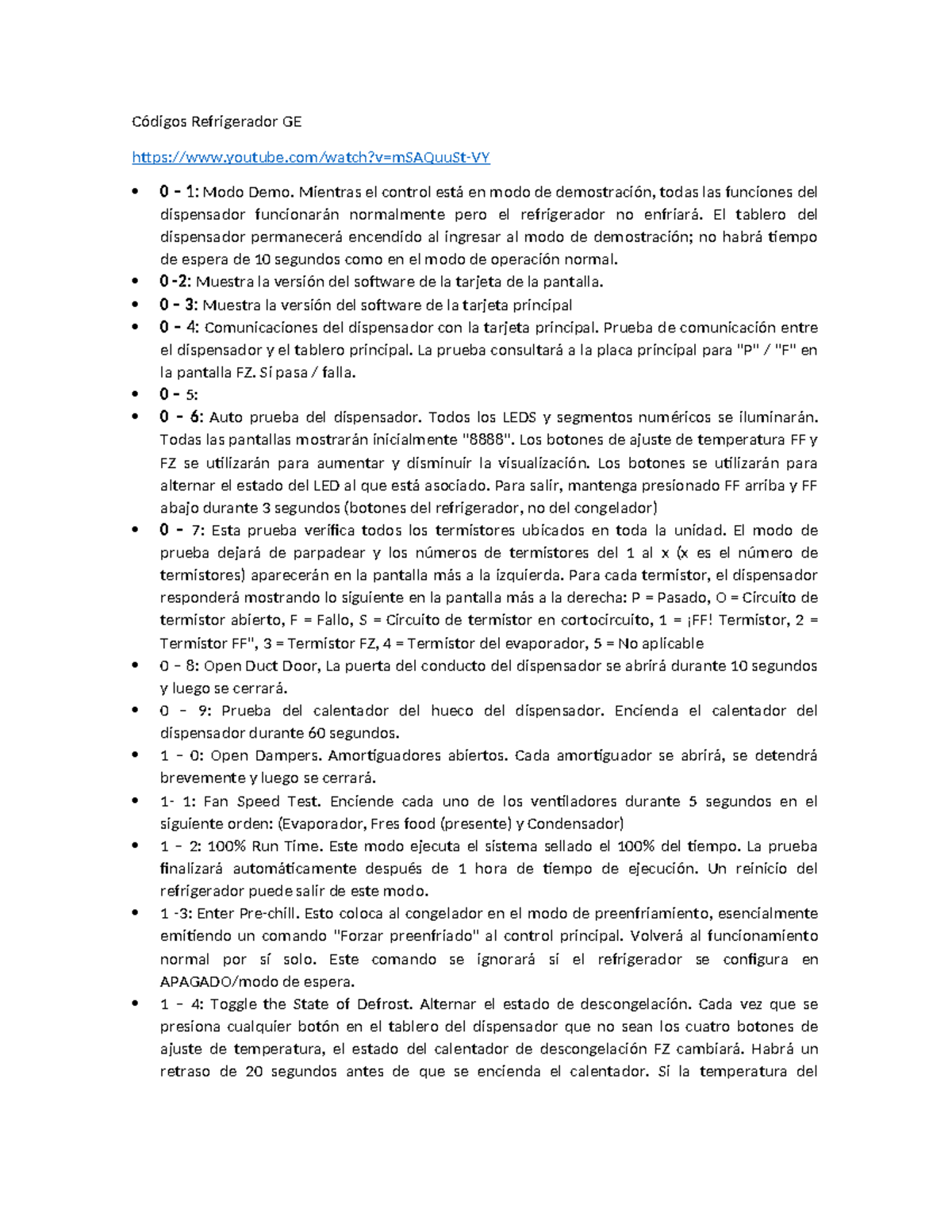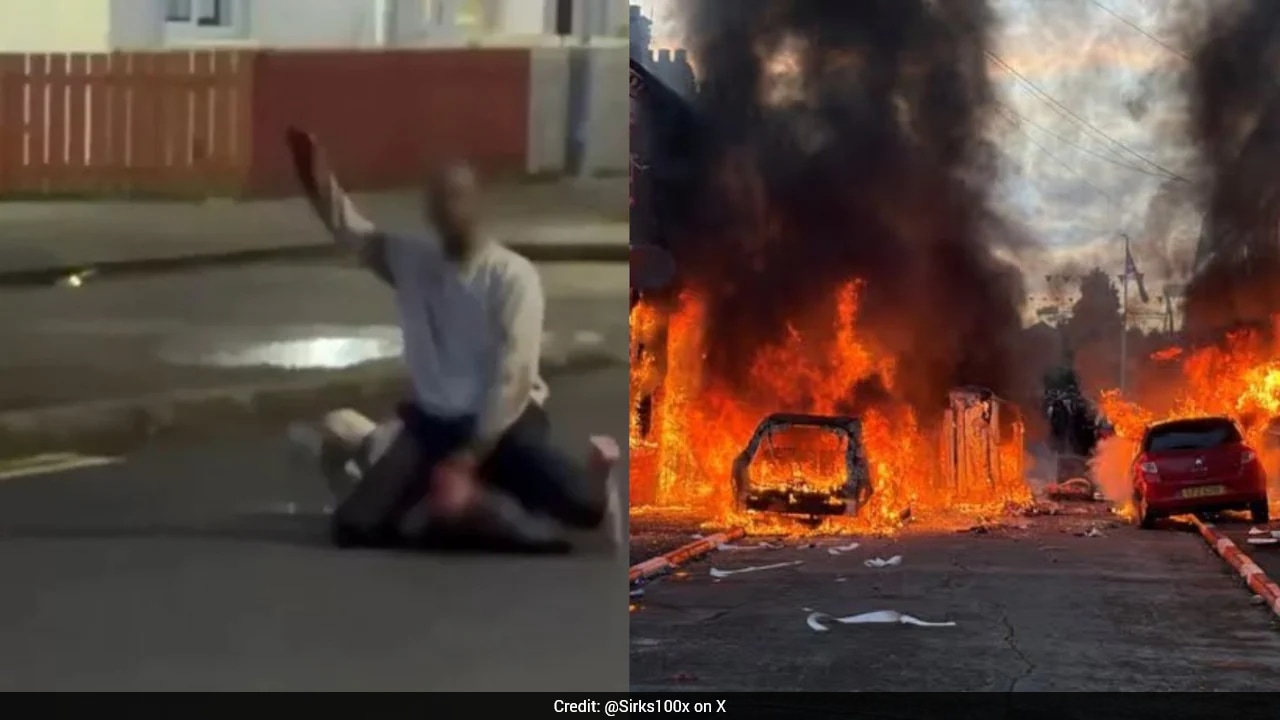
Belfast is dealing with a serious wave of street violence and arson. If you look at social media right now, you'll see a flood of rumors, panic, and conflicting stories about what triggered the chaos. Speculation runs wild after any public incident. This particular unrest followed a violent assault in the city, which quickly became a flashpoint for deeper community tensions and targeted attacks.
Sorting facts from anger during a riot is incredibly difficult. Factions use any high-profile crime to fuel their own agendas. To understand what is actually happening on the ground in Northern Ireland, we have to look directly at the confirmed reports from police, local community leaders, and verified journalists who are covering the fallout.
What Actually Happened in Belfast
The recent night of violence did not happen in a vacuum. It kicked off following a severe physical assault in the city. Public anxiety spiked when reports circulated about the brutal nature of the attack, involving a weapon. Almost immediately, online spaces filled with claims regarding the identity and legal status of the suspect.
Local police forces moved quickly to contain the immediate crime scene, but the digital narrative spread much faster than the official updates. Within hours, crowds gathered in specific neighborhoods. What started as a protest rapidly devolved into criminal behavior.
Fires were set. Vehicles were targeted. Businesses facing the brunt of the anger suffered significant property damage. For residents living in these areas, it was a terrifying night that brought back memories of the city's complicated past with civil unrest.
The Mechanics of Public Unrest
Street violence rarely stays contained to the original incident. Here is how these situations usually play out on the ground.
First comes the trigger event. This is usually a violent crime or a highly visible confrontation.
Next is the digital acceleration. Before authorities can even release an official statement, rumors fill the void. This is where narratives get twisted to maximize outrage.
Then comes the mobilization. Groups gather, often driven by a mix of genuine local concern and opportunistic elements looking for trouble.
Finally, the escalation occurs. Peaceful assembly breaks down into arson, property destruction, and direct clashes with law enforcement.
The Police Service of Northern Ireland faces a massive challenge during these outbreaks. They have to balance public safety with crowd control, all while trying to prevent the violence from spreading to neighboring districts. Local leaders have repeatedly called for calm, pointing out that destroying your own community does absolutely nothing to solve underlying issues or bring justice.
Misinformation and the Danger of Online Rumors
We see this pattern globally now. A crime happens, details are scarce, and people online fill in the blanks with their worst fears or pre-existing biases. In Belfast, the rapid spread of unverified details about the suspect's background directly fueled the arson attacks.
When people are angry, they don't wait for a courtroom trial. They react. This creates a dangerous cycle where innocent shopkeepers and residents suffer because of collective blame. Community workers in Belfast have spent days trying to cool tempers and correct the record, but pulling people back from the brink is tough once a fire is already lit.
Mainstream media coverage often struggles to keep up with the chaos, sometimes magnifying the division instead of de-escalating it. Relying on verified police updates rather than anonymous social media accounts is the only way to get an accurate picture of the situation.
How Communities Can Move Forward
Recovering from a night of rioting takes time. The physical damage to storefronts and roads can be repaired in a few weeks, but the damage to community cohesion lasts much longer.
The first priority is always immediate safety and securing properties that might be targeted in follow-up attacks. After that, local councils and community groups must engage in direct dialogue to address the anxieties that made the area so volatile in the first place.
If you want to stay informed without getting caught up in the panic, focus entirely on verified reporting. Avoid sharing unconfirmed videos or speculative posts that lack official confirmation. Keeping a cool head is the most practical thing anyone can do when a city faces this kind of strain.