The Middle East isn't waiting for a permission slip from Washington anymore. Right now, in the seaside resort of Antalya, a quiet but massive shift in the global order is taking place. Turkey is hosting a series of high-stakes talks with Saudi Arabia, Pakistan, and Egypt to build what looks like a permanent regional security platform. This isn't just another diplomatic photo op or a "working group" that'll disappear by summer. It's the beginning of a homegrown defense architecture designed to survive a world where the old alliances are fraying.
If you've been following the news, you know the context is grim. We're sitting in April 2026, and the region is still reeling from the fallout of the U.S.-Iran conflict and the ongoing instability in Syria and Lebanon. Ankara isn't just playing host; it's pitching a survival strategy. Turkish Foreign Minister Hakan Fidan basically laid it out this week when he urged neighbors to commit to a formal security pact. The goal? A world where these powers don't have to look toward the West or the East every time a fire breaks out in their backyard. Meanwhile, you can find related developments here: The 2025 Rohingya Maritime Crisis Is the Deadliest on Record.
The Power Trio Ankara Riyadh and Islamabad
The core of this new initiative is a triangle between Turkey, Saudi Arabia, and Pakistan. This didn't happen overnight. These talks in Antalya are the third ministerial meeting in just a month, following sessions in Riyadh and Islamabad.
Think about the components here. You have Turkey, a NATO member with the second-largest army in the alliance and a booming domestic defense industry. You have Saudi Arabia, the financial heavyweight of the Arab world. And you have Pakistan, a nuclear-armed state with deep military ties to both. When these three decide to formalize a "structured cooperation" on security, the rest of the world needs to pay attention. To explore the bigger picture, we recommend the detailed report by Reuters.
One big misconception is that this is just about the current war with Iran. It's not. Officials have been clear that these discussions actually predate the recent escalations. They’re looking at long-term institutionalized military planning and border security. They’re tired of ad hoc coalitions that fall apart once a specific crisis ends.
Why Egypt and Syria are Part of the Puzzle
Egypt’s presence in these talks is a massive signal. After a decade of frosty relations, the thaw between Cairo and Ankara is now turning into a strategic necessity. For Egypt, joining a regional security platform led by Turkey and Saudi Arabia provides a hedge against the unpredictability of Mediterranean and Red Sea security.
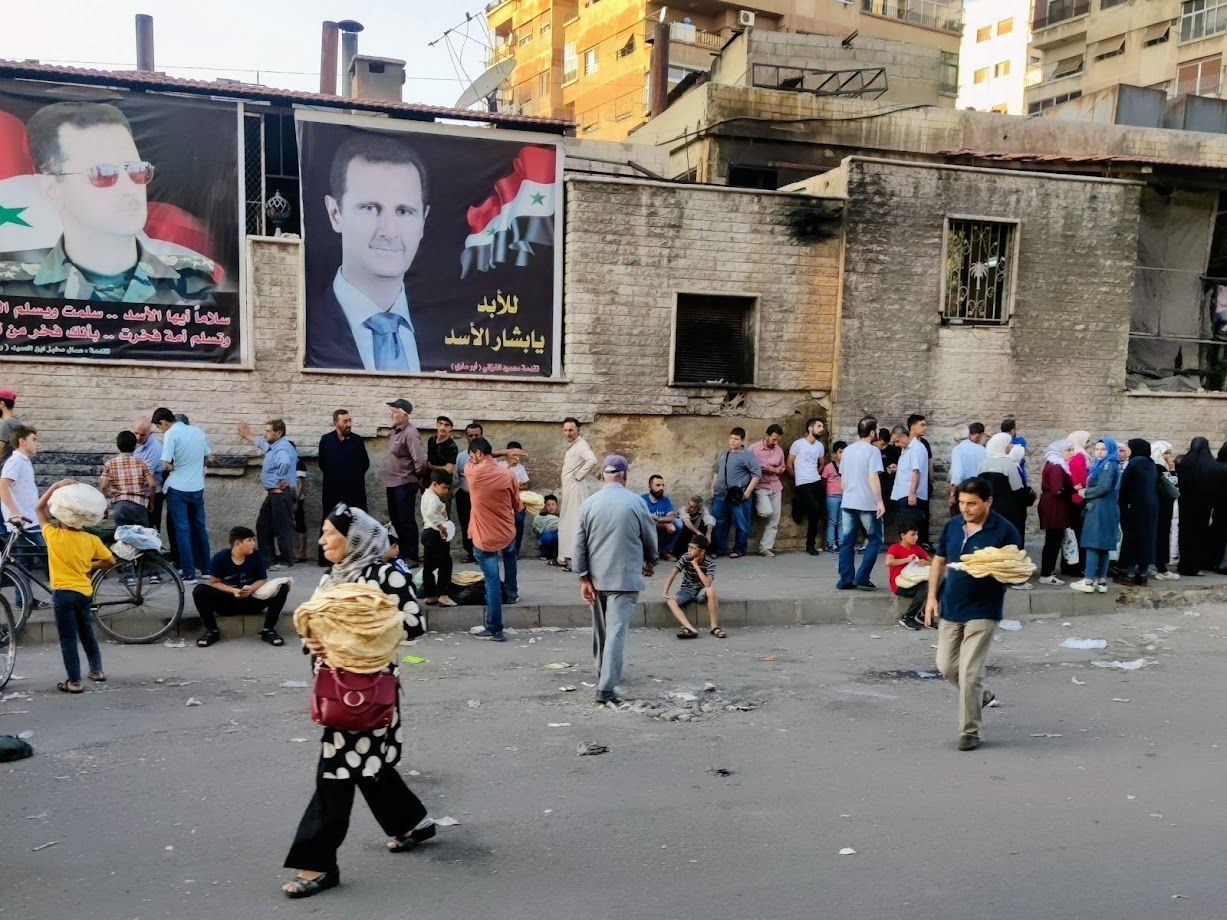
Then there’s the Syria factor. In a move that would have been unthinkable two years ago, Hakan Fidan met with Syrian President Ahmad al-Sharaa in Antalya just before the forum opened. Since the fall of the Assad regime in late 2024, Turkey has been the primary architect of Syrian stabilization. By bringing Syria into the diplomatic orbit of this new security bloc, Turkey is effectively trying to seal its southern border and prevent a resurgence of the PKK or other insurgent groups.
The Trump Factor and Strategic Autonomy
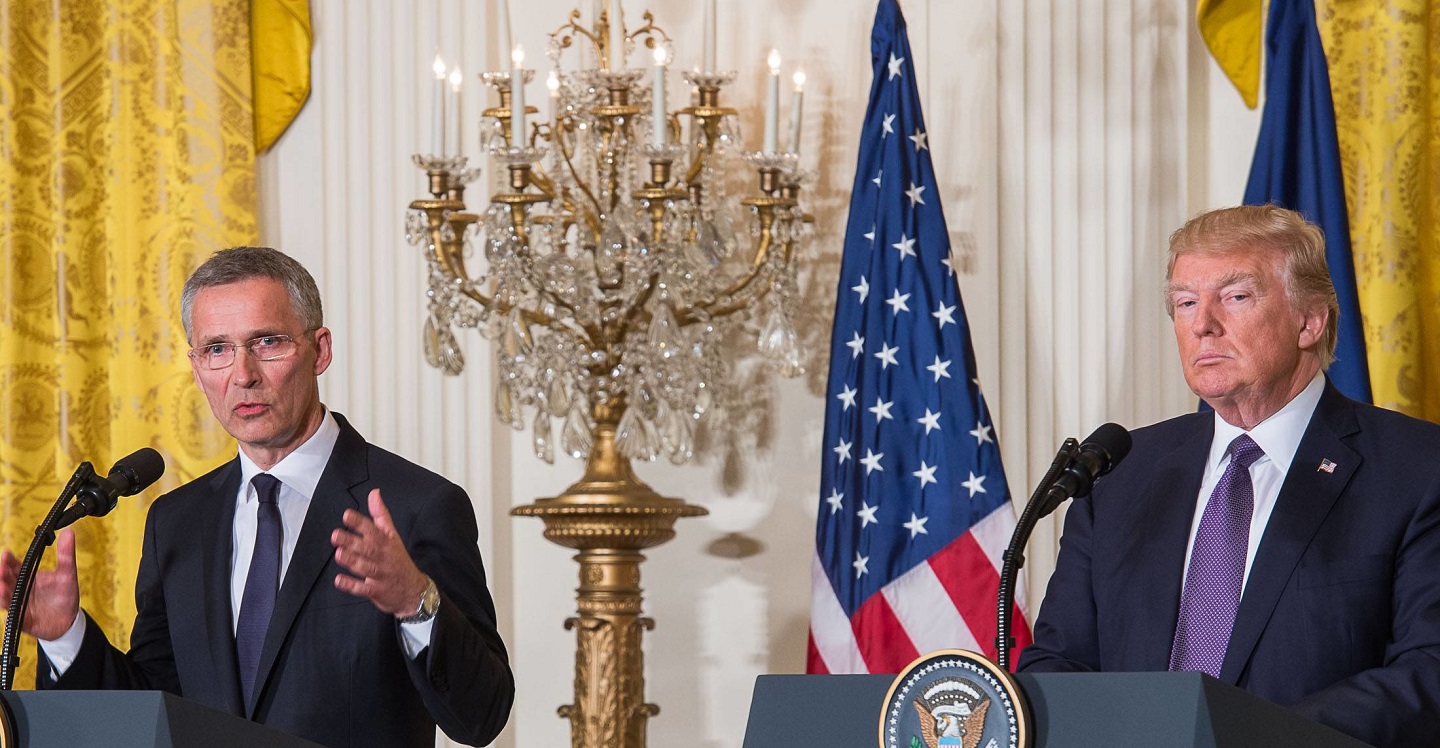
You can't talk about Middle East security in 2026 without mentioning Donald Trump. With his administration pushing for a "second round" of U.S.-Iran negotiations—some of which are happening right now in Islamabad—regional players are feeling the heat. Trump’s envoy, Tom Barrack, has been roaming the Antalya Diplomacy Forum, telling everyone that Turkey is "not a country to be messed with."
While the U.S. seems happy to let Turkey take the lead on regional policing for now, Ankara is being careful. It’s moving closer to Washington on things like Syrian de-confliction, but it’s also building this new bloc so it never has to be fully dependent on a U.S. security umbrella again. It’s called strategic autonomy, and Turkey is the one writing the manual on how to do it.
The Real Risks No One Mentions
Don’t buy the narrative that this is a "peace alliance" in the traditional sense. This is a power projection tool.
- The Iran Tension: While Pakistan is trying to mediate between the U.S. and Iran, this new security bloc could easily be viewed by Tehran as an "encirclement" strategy.
- The Israel Friction: Hakan Fidan’s rhetoric against what he calls "Israeli expansionism" has reached a fever pitch. If this new security platform becomes an anti-Israel bloc, it complicates things for countries like Egypt and Saudi Arabia, who have their own complex backchannels with Tel Aviv.
- Internal Rivalries: Turkey and Saudi Arabia have spent years competing for leadership of the Sunni world. They’re playing nice now because they have to, but those old tensions haven't vanished.
What Happens Next
If you’re looking for the next concrete steps, watch the closing statements from the Antalya Diplomacy Forum this weekend. We’re likely to see the announcement of a permanent secretariat or a regular meeting schedule for these four powers.
The immediate impact will be felt in the defense sector. Expect a surge in joint military exercises and co-production deals for Turkish drones and Pakistani missile tech, funded by Saudi capital. This is the new "Middle East Security Architecture" that people have been talking about for decades, but it's finally happening without a Western lead.
Keep an eye on the border triangle between Iraq, Turkey, and Iran. That’s where the first real-world test of this cooperation will likely happen, as Ankara seeks to turn these diplomatic wins into "joint operations centers" on the ground. The era of the Middle East being a playground for outside powers is ending; the era of regional heavyweights setting their own rules has begun.