Disasters don't just destroy concrete and timber; they shatter the quiet fabric of human survival. When a massive glacier burst at the Nepal-Tibet border, the ensuing flash floods and landslides wiped out entire communities in districts like Rasuwa.
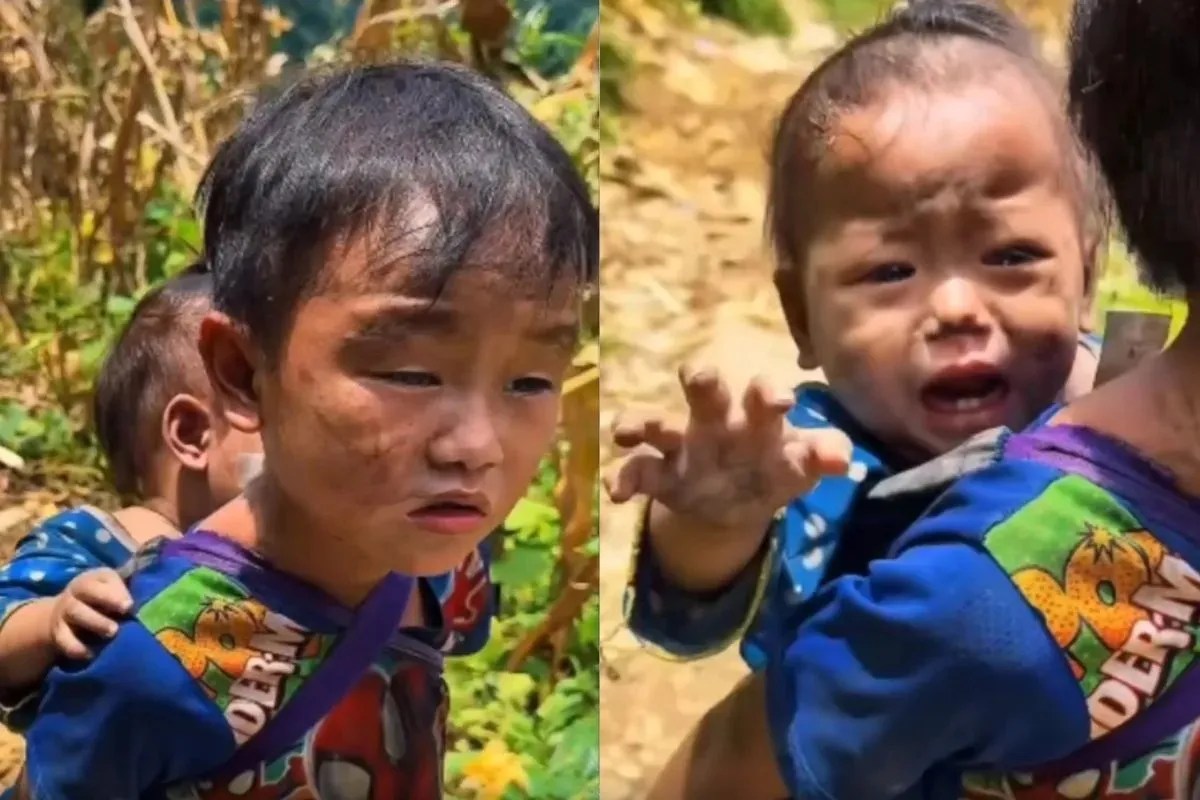
Amid the mud, wreckage, and collective grief, a Buddhist monastery in Kathmandu turned into a makeshift relief camp for over five hundred displaced survivors. In one corner of this crowded shelter sits twelve-year-old Tsering. His eyes remain fixed on the heavy wooden door. He believes his parents are just delayed. He thinks they are stuck deep in the forest and will walk through that entrance any day now.
The harsh truth is entirely different. Both his mother, Kami, and his father, Phursang, were swept away by the raging waters.
The Cruel Mercy of a White Lie
Protecting a child from an unbearable reality forces families into agonizing choices. Tsering's grandmother and aunt decided that telling a twelve-year-old boy that his entire world had vanished overnight was simply too cruel.
They told him a comforting fiction. They said the roads were destroyed, the trails blocked, and his parents were stranded safely on the other side of the mountain. They told him it would take months, maybe a year, for them to find a way back.
So, Tsering waits. When the older adults in the monastery break down and cry over lost land and missing kin, Tsering cries too—not out of a complete understanding of death, but in pure empathy with the sorrow around him. He holds onto a fragile hope while everyone else carries the heavy burden of finality.
Life Inside the Kathmandu Relief Camp
The numbers behind the Nepal disaster paint a staggering picture of human displacement. Roughly 520 people from the battered Rasuwa region are crammed into the Kathmandu monastery grounds.
Volunteers try to inject fragments of normalcy into the grim environment. They set up a small play zone with a tent, a football, and a few toys for the children. For an hour or two each day, laughter echoes off the stone walls. The kids chase a ball, momentarily forgetting that their homes, schools, and friends were swallowed by the floods.
Once the games stop, reality hits hard.
Survivors like forty-year-old Shyam Bahadur Tamang wander the courtyard with empty expressions. Shyam lost a thirty-five-year-old family home alongside multiple elderly relatives. He spent decades building a stable life, funding his children's education through sheer labor, only to find himself sleeping on a metal bunk bed with nothing left to his name.
The Broader Crisis of Unidentified Bodies
The emotional toll inside the shelters matches a massive logistical nightmare happening along riverbanks like the Trishuli. Recovery teams pulling bodies from thick layers of mud face a grim reality. Thousands went missing during the sudden glacial outburst, and many recovered remains are completely unrecognizable.
Authorities implemented disaster victim identification protocols, utilizing temporary morgues in places like Gajuri. Officials tag unidentified remains with steel plates, storing DNA samples, school ties, belts, and personal trinkets. Nepal's forensic infrastructure remains severely strained by the scale of the tragedy, leaving families to navigate a standardized waiting period of up to twelve years for final identifications to match through genetic records.
This means thousands of families across the country live in limbo. They cannot mourn properly without closure, just as little Tsering cannot heal while trapped inside a comforting illusion.
As evening falls over Kathmandu and the city resumes its fast-paced modern life, time stands completely still inside the monastery. Photos of missing loved ones overflow crowded tables. In the corner, Tsering watches the door, waiting for two people who are never coming home.