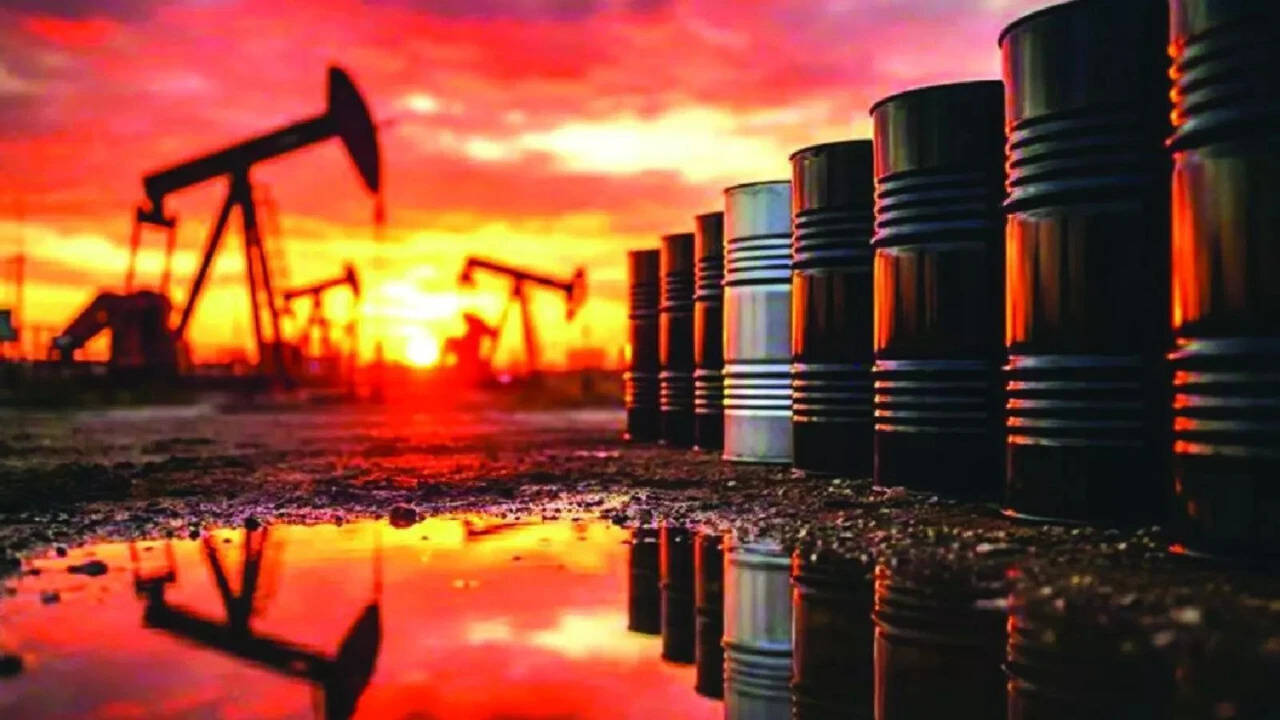
The global energy market just caught a cold, and we’re all about to start sneezing at the pump. When a major UAE oil refinery goes offline unexpectedly, it isn’t just a local maintenance hiccup. It's a supply chain earthquake. You’ve likely seen the headlines about an emergency meeting called by global energy bodies. They aren’t meeting to grab coffee. They’re meeting because the math for global fuel stability just stopped adding up.
We’re looking at a massive disruption in the flow of refined products. Crude oil is great, but you can’t put it in your car or a Boeing 747. You need refined gasoline and jet fuel. When one of the world's most sophisticated processing hubs stops, the "buffer" that keeps prices steady evaporates. This isn't just about the Middle East. It’s about how much you're going to pay for a flight to London or a gallon of gas next Tuesday.
What is actually happening with the UAE oil refinery
The UAE isn't just an exporter of raw crude anymore. Over the last decade, they’ve dumped billions into refining capacity to dominate the value chain. One of their crown jewel facilities has halted operations. While the official line often points to technical issues or "unforeseen maintenance," the timing is brutal. The global market was already tight.
Think of a refinery like a giant, pressurized kitchen. If one stove breaks, the whole restaurant slows down. But in this case, the "restaurant" serves the entire planet. This specific shutdown removes hundreds of thousands of barrels of daily processing capacity. That’s a hole in the market that other refineries can't just "plug" by working overtime. Most facilities are already running at 90% capacity. There's no slack in the system.
The International Energy Agency (IEA) doesn't call emergency meetings for minor glitches. Their involvement signals that this shutdown threatens the "minimum safety levels" of fuel stocks in several regions. If the UAE can't export refined diesel and petrol, Europe and parts of Asia start dipping into their strategic reserves. Once those reserves drop, speculators go wild. That’s when you see the price spikes.
Why the global energy body is panicking
You have to understand how thin the margin for error is right now. Global demand for jet fuel has surged back to pre-pandemic levels. At the same time, refinery capacity in the West has actually shrunk as older plants close down for environmental transitions. We've basically traded stability for a leaner, more fragile system.
The "emergency meeting" is a coded signal to the markets. It’s an attempt to prevent panic buying. When the IEA or similar bodies step in, they’re usually discussing a coordinated release of oil stocks. But here’s the catch. Releasing crude oil doesn't help if you don't have enough working refineries to turn it into gas. We have a "bottleneck" problem, not a "wellhead" problem.
The diesel disaster nobody is talking about
While everyone worries about the price of regular gas, the real danger is diesel. The UAE is a massive supplier of high-quality diesel to the global market. Diesel powers the trucks that deliver your groceries and the ships that carry your Amazon orders.
If diesel prices skyrocket because of this refinery shutdown, inflation gets a second wind. You don't just pay more at the pump; you pay more for the bread and eggs that those trucks delivered. It's a domino effect. If this refinery stays dark for more than a few weeks, the logistics industry is going to feel a massive squeeze.
The geopolitical fallout of a fuel crisis
Energy is never just about economics. It’s about leverage. The UAE holds a lot of it. This shutdown, even if purely technical, reminds the world who holds the keys to the engine. We’ve seen how energy can be used as a diplomatic tool. When supply drops, the remaining producers get to dictate terms.
You’ll notice that other OPEC+ members aren't exactly rushing to announce massive production increases to offset the UAE's refined product loss. They’re happy with higher margins. It’s a cynical game. The reality is that the transition to "green energy" has left us in a weird limbo. We aren't building new refineries in the West, so we're entirely dependent on these massive hubs in the Middle East. When they blink, we all go dark.
Stop waiting for prices to drop
If you're waiting for a "return to normal" in fuel pricing, stop. The structural issues revealed by this UAE shutdown aren't going away. We have an aging global refinery fleet and a growing thirst for fuel. This specific crisis might get patched in a month, but the underlying fragility remains.
You should be looking at your own energy exposure now. If you run a business that relies on logistics, it's time to lock in fuel contracts. If you're a consumer, expect airfares to jump. Airlines are notorious for passing refinery-related "surcharges" onto passengers almost instantly.
Practical steps to take right now
- Check your transit costs. If you’re planning long-distance travel, book it today. Fuel surcharges are lagging indicators, meaning they'll hit the ticket prices in about two weeks.
- Watch the crack spread. This is a technical term for the difference between the price of crude oil and the refined products. If the "spread" stays high, it means refineries are the problem, not the oil supply.
- Audit your supply chain. If you sell physical goods, talk to your carriers. Ask about their fuel surcharge policies. Don't let a 15% jump in shipping costs catch you off guard next month.
- Monitor the IEA updates. If they announce a mandatory stock release, it’s a sign things are worse than the "official" UAE press releases suggest.
The world is addicted to the output of a handful of massive industrial complexes. This UAE refinery shutdown is a stark reminder that our global economy is one technical failure away from a standstill. Don't wait for the "Sold Out" signs to start acting. Tighten your belt and prepare for a volatile season in the energy markets. The meeting in Paris or Vienna won't lower your bills anytime soon. Only your own preparation will.