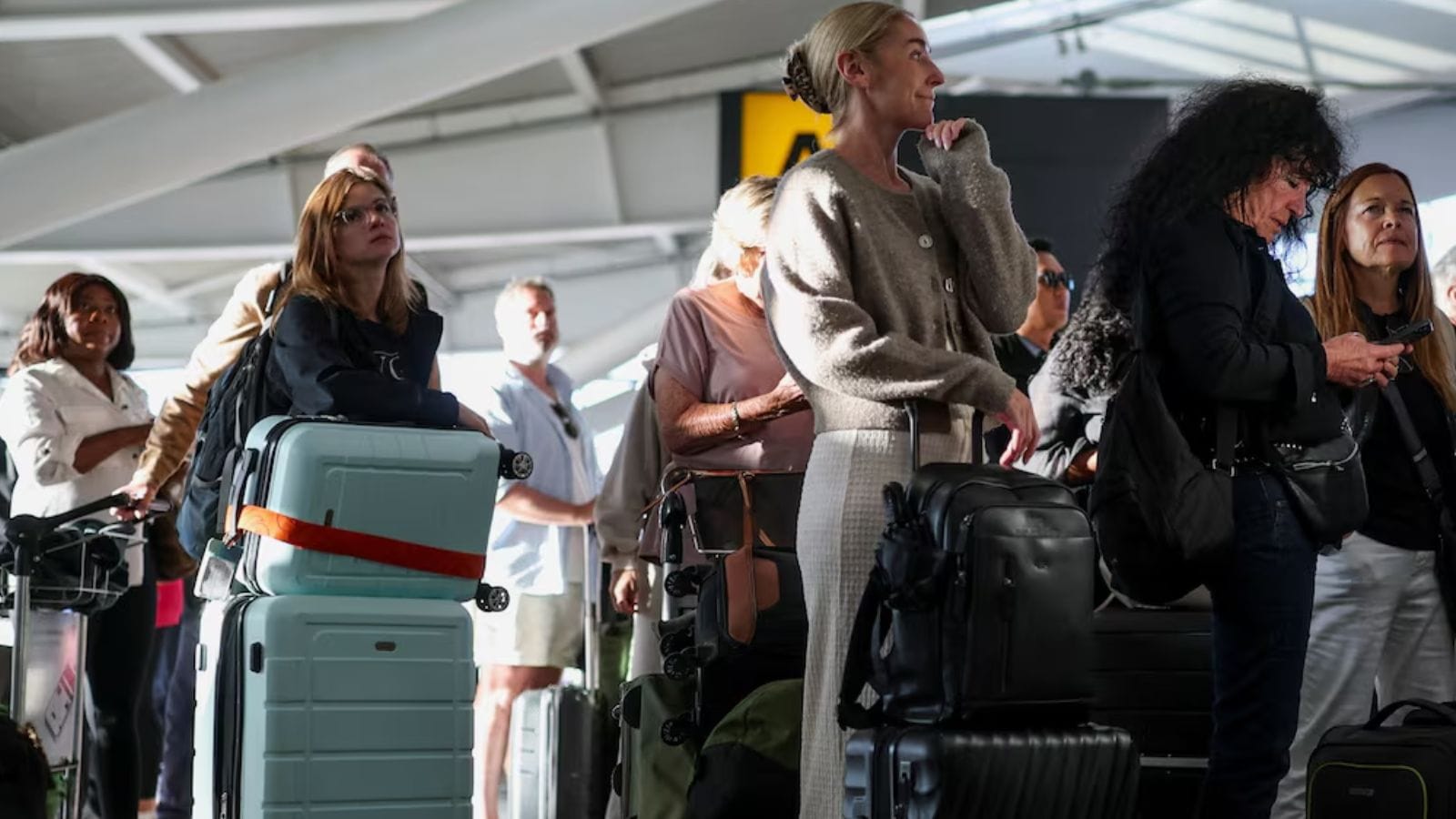
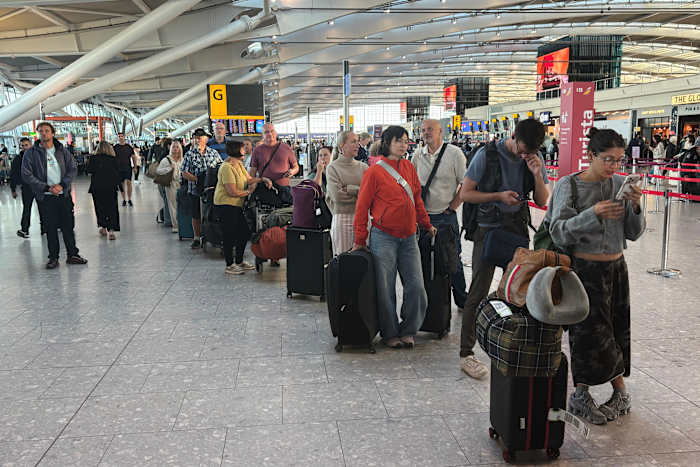
You are standing in a crowded departure lounge at Heathrow. The departure board flashes red. Your flight isn't just delayed; it's gone. Another day, another major air traffic control failure in the United Kingdom. If you have tried flying through British airspace recently, you know the frustration. It's a mess. Planes sit on tarmacs for hours. Connections get blown to pieces. Millions of passengers pay the price for a fragile system that cracks under pressure.
Let's cut through the corporate excuses. Airlines and aviation authorities love blaming weather or "unprecedented circumstances." But when skies close down week after week, the issue runs deeper. It is about outdated technology, severe staffing shortages, and a complete lack of resilience.
The Reality Behind the UK Air Traffic Chaos
Why does British airspace bottleneck so easily? It starts with the sheer volume of traffic crossing one of the busiest corridors in the world. London serves as the primary global crossroads for transatlantic and European routes. When National Air Traffic Services (NATS) hits a snag, the shockwaves ripple across the entire continent.
You've probably heard the term "technical glitch" thrown around in news reports. That phrase masks a terrifying reality. Parts of the UK air traffic control network rely on infrastructure that is decades old. Upgrading these systems requires massive capital and meticulous planning. Yet, funding and execution lag behind the relentless growth of commercial aviation.
Staffing adds another layer of misery. Training an air traffic controller takes years. It requires intense spatial awareness, nerves of steel, and split-second decision-making abilities. Following pandemic-era cutbacks and early retirements, the talent pool shrank. Towers operate on razor-thin margins. When a few controllers call in sick, whole sectors have to restrict capacity.
What Happens When Systems Fail
When NATS experiences a meltdown, the recovery takes days. It is not like rebooting your home router. Planes end up in the wrong cities. Crews time out under strict legal working limits. Passengers miss weddings, business meetings, and once-in-a-lifetime vacations.
I talked to a pilot last month who sat on a taxiway for four hours waiting for a clearance window out of Gatwick. He told me the system behaves like a highway with two lanes closed during rush hour. Except those lanes are thirty thousand feet in the air.
Airlines bear the brunt of the public anger, but they are often victims too. EasyJet, British Airways, and Ryanair absorb millions in compensation payouts and hotel bills. Yet passengers still suffer the worst of it.
How to Protect Your Itinerary Right Now
You cannot fix the UK aviation infrastructure yourself. You can, however, change how you book and travel to minimize the damage. Smart travelers stopped trusting the system years ago.
Stop booking the last flight of the day. Airlines cancel late-night departures first to clear their schedules and protect morning rosters. If your evening flight gets canned, you are stuck in the terminal until tomorrow afternoon.
Book direct whenever possible. Connecting through London Heathrow or Gatwick adds a massive point of failure. If your first leg runs five minutes late, you lose your slot. Direct flights eliminate that risk entirely.
Know Your Rights Under UK Law
The UK has strict passenger rights regulations, often referred to as UK261. Airlines hate paying out, but they must follow the rules.
If your flight is canceled with less than two weeks' notice, you have options. You can demand a full refund or a rerouting on the earliest available transport. If the cancellation falls within the airline's control—such as staff shortages or internal technical failures—you are owed cash compensation.
Do not accept airline vouchers immediately. Cash is your right. Keep every receipt for food, drinks, and emergency accommodation. Airlines will try to dodge claims by calling these disruptions "extraordinary circumstances." Push back. Demand written proof of the exact cause.
The Road Ahead for British Skies
Fixing this mess requires money, time, and brutal honesty from industry leaders. NATS has pledged billions toward modernizing airspace architecture over the next decade. Digital towers and automated routing systems offer a glimmer of hope.
Until those upgrades go live, expect more turbulence. The skies over Britain will remain unpredictable. Pack light, download your airline's app, and always have a backup plan ready. When travel breaks down, preparation remains your only real defense.