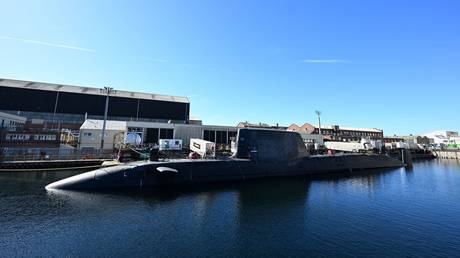
The Royal Navy has a massive problem hiding beneath the surface. Recent defense reports reveal that the entire UK attack submarine fleet has been effectively out of action, leaving Britain vulnerable at a time of rising global tensions. It sounds like a bad movie plot. It isn't. It's the reality of modern British naval power, and it should worry anyone tracking international security.
When you look at the numbers, the situation gets grim fast. The UK relies on its hunter-killer submarines to protect its nuclear deterrent, track foreign vessels, and project power globally. Right now, maintenance backlogs, mechanical failures, and shipyard delays have combined to create a perfect storm. The fleet is stuck in port when it needs to be at sea. Also making waves lately: Inside the Iran Nuclear Crisis Nobody is Talking About.
This isn't just about a few broken parts. It's a systemic failure in how the Ministry of Defence manages its assets. We need to look closely at why this happened and what it means for global security.
The Reality Behind the UK Attack Submarine Fleet Crisis
The Royal Navy operates a small but technologically advanced fleet of nuclear-powered attack submarines (SSNs). This includes the aging Trafalgar-class and the newer Astute-class boats. These vessels don't carry the UK's nuclear nuclear weapons—that's the job of the Vanguard-class—but they are vital for defending those ballistic missile submarines and conducting covert intelligence operations. Further details regarding the matter are explored by USA Today.
Recent defense tracking reveals a shocking statistic. Not a single one of these multi-billion-pound attack submarines has been fully operational and deployed on active duty recently. They are trapped in docks at HMNB Devonport and HMNB Clyde, waiting for repairs or undergoing prolonged refits.
The primary bottleneck sits squarely with infrastructure. Devonport, the main refitting yard for the UK's nuclear submarines, is overwhelmed. Dock facilities have faced decades of underinvestment. Upgrades to docks needed to service nuclear reactors safely have run years behind schedule. This means submarines finish grueling deployments and then wait in line for months, or even years, just to get into a dry dock.
Why a Docked Fleet Matters for Global Security
Submarines work on a simple rotation. One-third at sea, one-third training, one-third in maintenance. When maintenance stalls, the whole cycle breaks.
The North Atlantic is seeing the highest level of Russian submarine activity since the Cold War. Russian vessels regularly transit the "GIUK Gap"—the naval chokepoint between Greenland, Iceland, and the United Kingdom. Without hunter-killer submarines patrolling these waters, the UK cannot reliably track these movements. This leaves undersea internet cables and maritime trade routes exposed.
Furthermore, the UK's continuous at-sea nuclear deterrent relies on attack submarines. When a Vanguard-class ballistic missile submarine leaves port, it needs an Astute-class submarine to sweep the area and ensure no foreign vessels are tailing it. Operating without that protection introduces an unacceptable level of risk to national security.
The Astute Class Dilemma
The Astute-class was supposed to be the crown jewel of British naval engineering. These vessels are incredibly quiet, pack massive firepower with Tomahawk cruise missiles, and feature advanced sonar suites. However, the program has been plagued by delays and technical glitches from the start.
Building nuclear submarines is incredibly complex. The UK defense industry has struggled to maintain the highly specialized workforce required for these projects. Lead times for critical components have skyrocketed. When a part breaks on an active boat, engineers often have to cannibalize parts from other submarines sitting in dock, creating a vicious cycle that keeps multiple hulls grounded.
Fixing a Broken Supply Chain
You can't buy submarine parts off the shelf. The supply chain for nuclear propulsion and advanced naval warfare systems is microscopic. If a single specialized supplier goes bankrupt or faces delays, the entire naval timeline slips.
The Ministry of Defence has tried to throw money at the problem, but money cannot buy back lost decades of industrial decline. The UK needs a radical shift in how it approaches naval engineering. It needs to foster long-term partnerships with domestic manufacturers and ensure that shipyards have the steady, predictable funding required to maintain a skilled workforce.
To turn this around, defense leadership must prioritize infrastructure over new procurement. Having plans for next-generation submarines looks great on a slideshow, but it means nothing if the current fleet cannot even leave the harbor. Upgrading the docks at Devonport and streamlining the supply chain for spare parts must happen immediately. If the UK wants to maintain its status as a major naval power, it has to fix the ships it already owns before worrying about the ones it wants to build tomorrow.