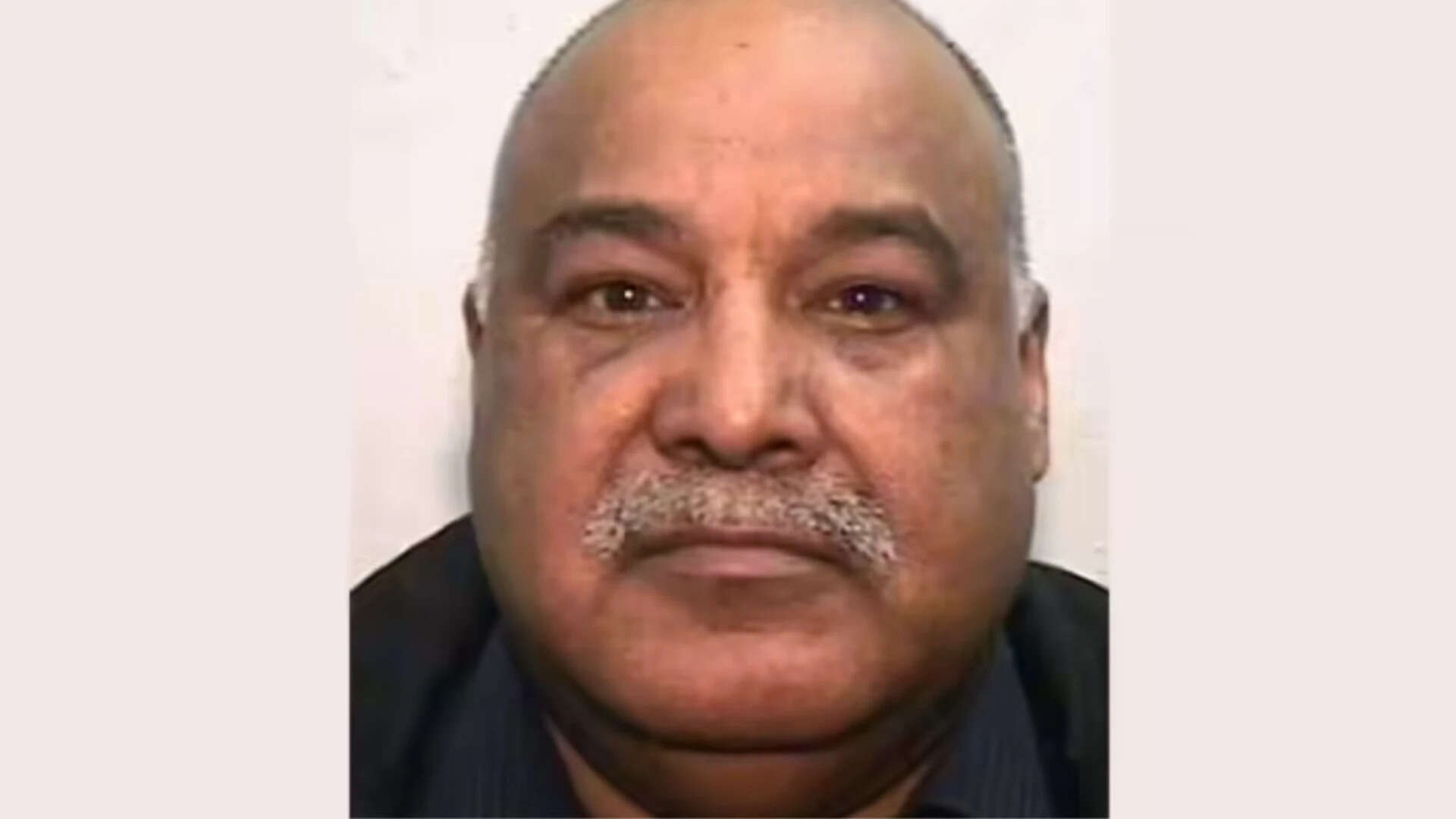
The British government has stumbled into a geopolitical trap of its own making. For years, politicians promised to deport the foreign-born criminals responsible for the horrific child sexual exploitation scandals that rocked towns like Rochdale. Now, that promise has hit a brick wall. Pakistan has made its position clear. If the UK wants Islamabad to take back convicted grooming gang ringleader Shabir Ahmed, London needs to start handing over political dissidents.
It is a brazen piece of diplomatic horse-trading. Islamabad is essentially using a convicted child rapist as leverage to hunt down its political enemies abroad. For the UK Home Office, it creates a terrible dilemma. They must choose between keeping a notorious criminal on British soil or complicity in transnational repression.
The Loophole Protecting a Monster
Shabir Ahmed was sentenced to 22 years in prison in 2012 for 30 horrific child sex offenses. He served 14 years and was recently released on license. The UK stripped him of his British citizenship back in 2016, assuming deportation would naturally follow.
It didn't.
Ahmed arrived in the UK from Pakistan in 1967 at the age of 14. Because he moved to Britain before 1971, he is shielded by Section 7 of the Immigration Act 1971. This specific provision protects Commonwealth citizens who settled in the UK before January 1, 1973. It was originally designed to safeguard the Windrush generation, but it has inadvertently granted a legal shield to a convicted ringleader of a child abuse network.
Home Secretary Shabana Mahmood is looking into changing the law, even considering emergency legislation to close this loophole. But fixing British law only solves half the problem. You can't deport someone if no other country will take them.
Pakistan High Price for Cooperation
Pakistan is not playing along. Officials in Islamabad argue that Ahmed has lived in the UK for roughly 60 years and renounced his Pakistani citizenship decades ago. Their argument is straightforward: his crimes happened in Britain, he was raised in Britain, and he is Britain's responsibility.
However, behind the scenes, Pakistan’s Interior Minister Mohsin Naqvi has offered a way out, but the price tag is staggering. Pakistan wants the UK to extradite high-profile dissidents currently living in exile on British soil.
The targets are specific and highly political:
- Shahzad Akbar: A former cabinet minister under ousted Prime Minister Imran Khan.
- Adil Raja: A former Pakistan Army officer turned YouTuber and whistleblower who has been convicted of sedition in absentia by Pakistani authorities.
- Altaf Hussain: The exiled founder of the Muttahida Qaumi Movement (MQM), who has lived in London for three decades.
Islamabad claims these individuals use British soil to incite unrest and spread anti-state propaganda. The UK maintains that these individuals are protected by free speech and human rights laws. By linking their extradition to the return of a despised sex offender, Pakistan has turned a criminal justice matter into a high-stakes diplomatic standoff.
No Easy Way Out for London
The UK is left with very few good options. Yielding to Pakistan’s demands is out of the question. Handing over political critics to a regime with a well-documented history of targeting dissidents would violate British law and destroy the UK's reputation as a safe haven for free speech.
British authorities have threatened to use leverage of their own, hinting at visa restrictions or cuts to foreign aid if Pakistan continues to block the deportation. But these are slow, blunt instruments that risk damaging broader diplomatic ties without guaranteeing that Islamabad will back down.
The immediate reality is bleak. Shabir Ahmed remains in the UK, albeit under strict license conditions, electronic monitoring, and lifetime sex offender registration. British taxpayers are footed with the bill for monitoring a man the government stripped of citizenship nearly a decade ago.
This mess highlights the weakness of relying on deportation as a fix-all for foreign-born criminals. When international diplomacy gets messy, the domestic justice system stalls. The UK can change its internal laws all it wants, but until it figures out how to handle non-cooperative foreign governments, high-profile deportations will remain stuck in bureaucratic limbo.
If you want to see how this tense political showdown played out in Parliament, check out this House of Commons debate on the release of Shabir Ahmed. This video captures the fiery exchanges between MPs and ministers as the government faced intense pressure over the legal loopholes preventing immediate deportation.