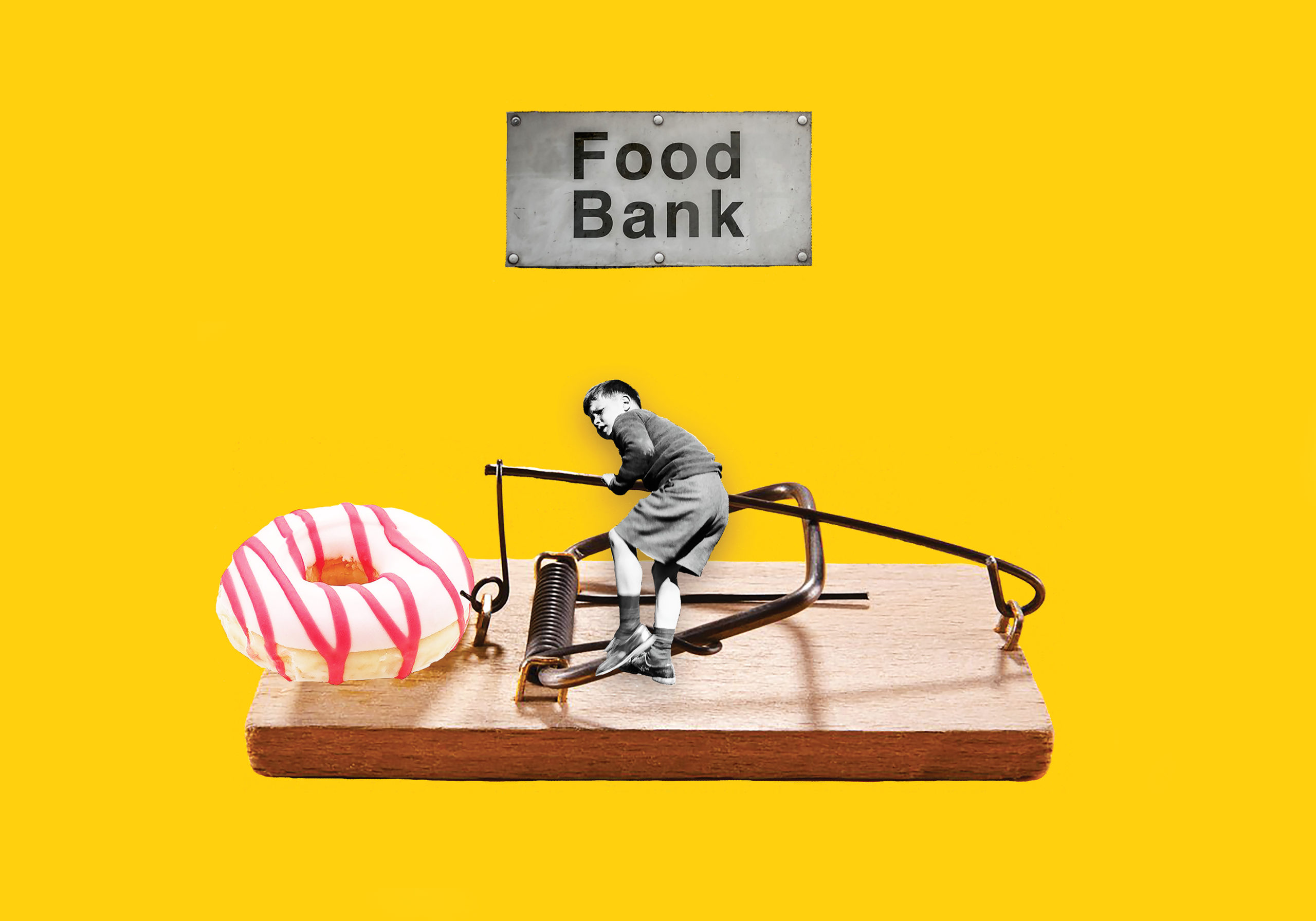
The UK didn't get more equal because of some grand social design or a sudden surge in empathy. It got "equal" because the government decided to cannibalize its most skilled labor force to mask a stagnant economy. When you hear pundits celebrate the narrowing of the wealth gap between the top 1% and the rest, they are selling you a lie wrapped in a statistic. They aren't telling you that the floor rose; they are telling you the ceiling collapsed.
If the goal of a modern economy is to make everyone equally poor, then the UK is winning. But if the goal is social mobility, the current trajectory is a suicide mission. By suppressing the wages of doctors, surgeons, and specialists, the UK hasn't fixed inequality. It has dismantled the only reliable bridge to the upper-middle class, leaving behind a hollowed-out economy where the only way to get rich is through inheritance or property speculation.
The Arithmetic of Mediocrity
The argument is simple, lazy, and mathematically true: if you pay the people at the top less, the gap between the top and the bottom shrinks. Congratulations. You've achieved statistical "equity."
But let’s look at the cost. Since 2008, real-terms pay for junior doctors has plummeted by roughly 26%. Consultants haven't fared much better. The Gini coefficient—that beloved metric of the "fairness" crowd—looks better on paper because a surgeon earning £90,000 today has significantly less purchasing power than their counterpart did twenty years ago.
This isn't a victory for the working class. It’s a funeral for the professional class. When you compress the pay of the most highly trained individuals in society, you don't redistribute that wealth to the poor. You simply remove the incentive for excellence. You create a system where a high-end software engineer or a mid-level marketing manager out-earns the person holding a scalpel to your heart.
The Social Mobility Myth
We are told that taxing the "rich" (which, in the UK’s warped tax bracket system, includes anyone making over £50,000) is the path to a fairer society. This is a fundamental misunderstanding of what "rich" means.
A doctor is "high income," not "wealthy." There is a massive, yawning chasm between a GP earning £110,000 and a Duke sitting on a 10,000-acre estate or a private equity shark living off carried interest. By targeting the high-income earners—the doctors, the engineers, the senior researchers—the government is attacking the very people who worked their way into the top 5%.
I have seen the internal data from recruitment firms specializing in "brain drain" placements. They aren't targeting the landed gentry. They are targeting the 32-year-old registrars who realized they can move to Australia, work 20 fewer hours a week, and double their take-home pay.
When you make it impossible for a professional to build wealth through labor, you freeze the class structure in place. If you can't earn your way to the top, the only people at the top will be those who were born there. That isn't equality. It’s neo-feudalism.
The Productivity Paradox
The "equality through austerity" crowd ignores the impact on the National Health Service (NHS). The UK has one of the lowest numbers of doctors per 1,000 people in the OECD. We are currently at about 3.2, while Germany sits at 4.5.
When you underpay doctors, you get three outcomes, none of which help the poor:
- The Brain Drain: Our best and brightest leave for the US, Canada, or Australia.
- The Private Pivot: Senior consultants reduce their NHS hours to work in private clinics just to maintain their standard of living.
- The Burnout Factor: Productivity drops because a demoralized workforce doesn't innovate; it survives.
The competitor's argument suggests that less pay for doctors is a "sacrifice" that aids national balance. In reality, it’s a tax on the sick. Longer waiting lists are the direct result of a workforce that has been told its expertise is a luxury the state can no longer afford.
The Stealth Tax on Intelligence
We need to stop pretending that every pound earned is the same. Labor that requires a decade of specialized training, 80-hour work weeks, and the literal weight of human lives is not the same as rent-seeking.
By allowing doctor pay to erode, the UK has effectively signaled that it no longer values meritocracy. We have created a "tax trap" where the marginal tax rate for a doctor earning between £100,000 and £125,140 is effectively 60% due to the tapering of the personal allowance. Add in National Insurance and student loan repayments (which function as a graduate tax), and you have a system designed to punish anyone trying to climb the ladder.
Imagine a scenario where a senior registrar is offered an extra shift to clear a backlog of hip replacements. After taxes, pension contributions, and the loss of childcare subsidies, they might take home £15 an hour for that extra work. Why would they do it? They won't. They go home. The list grows. The "inequality" shrinks. Everyone loses.
The Global Talent Auction
The UK acts as if it has a monopoly on its citizens. It doesn't. We are in a global auction for talent.
If you want to understand why the UK's GDP per capita has been flatlining compared to the US, look at how we treat our human capital. In the US, a specialist can earn $400,000. In the UK, that same specialist is lucky to hit £120,000 while paying a higher percentage in tax and dealing with crumbling infrastructure.
The "less unequal" argument is a coping mechanism for a nation in decline. It’s the sound of a country comforting itself while it slides down the global rankings. We are becoming a museum of 20th-century ideals, funded by 21st-century debt, maintained by a workforce we refuse to pay market rates.
Real Solutions vs. Statistical Magic
If we actually wanted to fix inequality, we wouldn't focus on dragging doctors down. We would focus on:
- Decoupling Wealth from Property: The real inequality in the UK isn't between a nurse and a doctor; it’s between someone who bought a house in London in 1990 and someone who didn't.
- Reforming the Taper: Eliminate the 60% "dead zone" in the tax code that discourages our most productive workers from doing more.
- Market-Rate Salaries: Pay healthcare professionals based on global demand, not what a bureaucrat in Whitehall thinks is "fair."
The truth is uncomfortable: a healthy, functioning society needs a wealthy professional class. It needs people who can afford to invest, to start businesses, and to serve as a beacon for what hard work can achieve. When you kill the doctor's paycheck, you kill the dream of every kid in a state school who thought they could study their way out of their zip code.
Stop celebrating the narrowing gap. It’s not a sign of health. It’s the rigor mortis of an economy that has given up on growth and settled for managing its own decay.
Pay your doctors. Or get used to being "equal" in a waiting room that never moves.